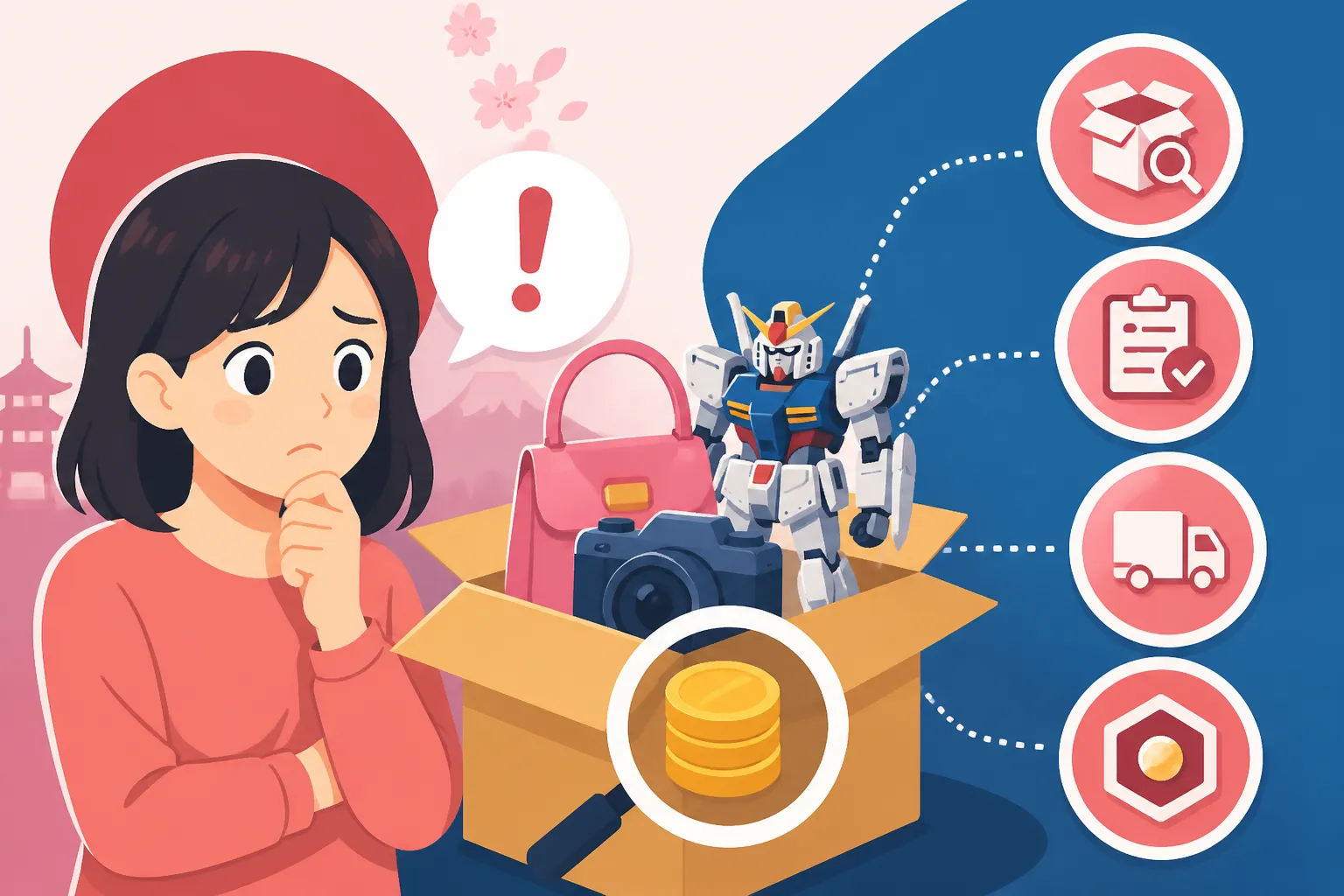
Hidden Fees in Japan Proxy Shopping to Watch For
Oh, the allure of Japanese goods! That limited-edition figure, that rare vintage denim, that specific skincare product you can’t get anywhere else. It’s exciting, isn’t it? But then you dip your toes into the world of Japanese proxy shopping, and suddenly that ¥5,000 item turns into ¥15,000 without a clear explanation. Trust me, I’ve been there, staring at a final invoice feeling utterly bamboozled. It’s not a scam, but it’s certainly not transparent for a newcomer. The Japanese system, bless its heart, often assumes a level of inherent knowledge that us foreigners just don’t have. This guide is here to unravel those hidden fees, so you can shop smarter and avoid the dreaded financial ambush.
Disclosure: This post may contain affiliate links. We may earn a commission at no extra cost to you if you make a purchase through these links. Read full disclosure.
The Initial Sticker Shock is Just the Beginning
When you first browse sites like Yahoo Auctions Japan or Mercari, you see a price. A lovely, often reasonable price. And then you add it to your proxy service cart, and suddenly there’s a new number popping up. That initial price is just the tip of the iceberg, my friend.
Item Price Isn't the Only Price
The price you see advertised on a Japanese e-commerce site, particularly peer-to-peer marketplaces, is almost always just for the item itself. Think of it like buying something on eBay – the listing price is one thing, but then you’ve got shipping, and maybe a handling fee, depending on the seller. In Japan, this is even more pronounced because many sellers are individuals, not large businesses with standardized shipping rates. They might list an item for ¥1,000, but then specify that domestic shipping (within Japan) is "cash on delivery" (着払い, chakubarai) or that it's calculated based on weight and distance. This means your proxy service has to pay that domestic shipping cost for you when they receive the item, and then they pass that cost on, often with their own handling fee on top. This can be a significant surprise if you’re not expecting it, especially for larger or heavier items.
Common Service Fees You Might Overlook
Proxy services aren’t charities, and they perform a valuable service, translating, communicating with sellers, purchasing, storing, and shipping items on your behalf. Naturally, they charge for this. But the way they charge can feel a bit like peeling an onion, layer by layer.
Proxy Service Fee / Commission
This is the most direct fee, and most reputable proxy services are upfront about it. Companies like Buyee and ZenMarket clearly state their service fees. This fee covers the administrative work, the communication with the seller (often in Japanese, which is a huge help if your Nihongo isn't quite there yet), and the processing of your order. It can be a flat fee per item, a flat fee per order, or a percentage of the item's cost. For instance, Buyee typically charges a service fee for proxy purchases. If you're buying a ¥10,000 item, a ¥500 fee might seem small, but if you're buying multiple cheap items, those small fees can quickly add up. Always double-check their fee structure, as it can vary based on the specific Japanese platform you're buying from (e.g., Yahoo Auctions might have different fees than Mercari).
Payment Processing Fees
When you deposit money into your proxy service account or pay for your order, you might encounter payment processing fees. These can come from several directions. Your international credit card might charge a foreign transaction fee. The proxy service itself might charge a small percentage for using certain payment methods like PayPal, knowing that PayPal also takes a cut from them. Even if you're transferring money directly, there might be a conversion rate applied that isn't the interbank rate, essentially giving the service a small margin – this is a common, often unstated, "hidden" cost. Don’t forget to factor in these small percentages when budgeting, as they can sneak up on you.
Domestic Shipping within Japan
As mentioned earlier, this is a huge one. Many Japanese sellers, especially on auction sites or flea markets, don't offer free domestic shipping. They might use various local delivery services like Yamato Transport (Kuroneko Yamato), Sagawa Express, or Japan Post, and the cost will depend on the item's size, weight, and the distance it travels within Japan. Sometimes, the seller will offer a set price, but often it’s left as "buyer pays upon delivery" (着払い). This means your proxy service pays the courier directly when the item arrives at their warehouse, and then charges you for it. If you're buying from multiple sellers, you'll pay domestic shipping for each item. This is where using a service like ZenMarket, which often has a very clear domestic shipping fee if not included by the seller, can help manage expectations.
Bank Transfer Fees / PayPal Fees
Japanese sellers typically prefer bank transfers. When your proxy service facilitates this, they incur bank transfer fees which are then passed on to you. If you choose to fund your account via PayPal, you're not just dealing with potential foreign transaction fees from your bank, but also PayPal's own fees for currency conversion and transactions, both when you send money to the proxy service and potentially when the proxy service uses it to pay the seller. These multiple layers of transaction fees, while individually small, become noticeable on larger purchases or with frequent smaller ones.
Shipping from Japan to Your Door: The Big Unknowns
Once your item (or items) finally reaches the proxy warehouse, the next big hurdle is getting it across oceans to your home. This is where costs can really skyrocket, and it's often the biggest source of "hidden" fees.
International Shipping Costs
This is almost always the largest and most variable cost when using a proxy service. The cost is determined by several factors: the weight of your package, its "dimensional weight" (which accounts for bulky but light items), your destination country, and the shipping method you choose. Options typically include:
- EMS (Express Mail Service): Often reliable, moderately fast, and usually includes tracking and basic insurance.
- DHL/FedEx: Very fast but generally the most expensive, and notorious for high brokerage fees (more on that later!).
- Airmail/ePacket: Cheaper than EMS, but slower, with less robust tracking and lower insurance limits. Some countries might not have this option for heavier packages.
- Surface Mail (Sea Mail): The cheapest option, but it can take anywhere from 2 to 4 months (or more!) for your package to arrive. It's great for heavy, non-urgent items, but prepare for a long wait.
Always use the shipping calculator provided by your proxy service to get an estimate. It might not be perfectly accurate until your items are actually weighed and packed, but it's crucial for budgeting. Remember, a small, heavy item might cost more than a large, light one due to dimensional weight. For a deep dive into estimating these costs, check out our guide on How to Estimate Shipping Costs from Japan.
Package Consolidation Fees
One of the best ways to save on international shipping is to consolidate multiple items into one larger package. This usually means paying one base shipping fee instead of several. However, many proxy services charge a small fee for this consolidation service. This covers the labor of their staff opening multiple packages, combining them, and repacking everything safely into a new, larger box. While it's an added cost, it almost always saves you money overall compared to shipping each item individually. If you're curious about how this works, take a look at How Package Consolidation Saves You Money.
Protective Packaging / Special Requests
If you’re buying something delicate, like a valuable anime figure, a fragile ceramic dish, or a limited-edition art book, you might want extra protection. Most proxy services offer options for additional protective packaging, such as extra bubble wrap, void fill, or even a custom-sized sturdy box. While these usually aren't major expenses (often a few hundred yen), they are optional extras that add to your total cost. If you don't select them, you risk your item arriving damaged, so it's often a worthwhile investment.
Storage Fees
Proxy services give you a grace period for storage, usually ranging from 30 to 60 days, during which your items can sit in their warehouse for free. This is great for waiting for multiple auction wins or purchases to arrive. However, once that free period expires, daily storage fees kick in. These fees might seem negligible on their own, but if you forget about an item or if shipping becomes complicated (e.g., due to international shipping suspensions), those daily fees can accumulate and turn into a hefty sum, negating any savings you might have made on the item itself. Plan your purchases and shipping requests accordingly to avoid these unnecessary charges.
Customs, Duties, and Taxes: The Post-Arrival Sting
This is perhaps the most frustrating category of "hidden" fees because it hits you after you've paid for everything else and eagerly awaited your package. These aren't fees from Japan or your proxy service, but from your own government, and they can be substantial.
Import Duties and Taxes in Your Home Country
Every country has its own rules for importing goods, and yours is no exception. Depending on the declared value of your item (or the total value of your consolidated package) and the type of goods, you may be charged import duties, value-added tax (VAT), or sales tax. These thresholds vary wildly from country to country. For example, the import rules for someone buying from Japan to the US might be very different from someone buying from Japan to the UK or Germany, where VAT and duties can be quite high. This can turn a fantastic deal into an expensive regret. Always research your country's specific import regulations before you buy. We have a detailed guide on Buying from Japan: Customs, Duties, and Import Taxes Explained that can help clarify this for you.
Customs Brokerage Fees / Handling Fees by Carrier
Even if your item falls below your country's duty threshold, you might still get hit with a "customs brokerage fee" or "handling fee" from the international shipping carrier (e.g., DHL, FedEx, UPS). These carriers pay the customs duties/taxes on your behalf to get your package moving through customs quickly, and then charge you a fee for this service, plus the actual duty/tax amount. These fees are often non-negotiable and can be a flat rate (e.g., $10-$20 USD) or a percentage of the declared value, sometimes even for items with zero duty. This is why some people prefer EMS, as national postal services usually have lower or no brokerage fees compared to private couriers.
Avoiding the Pitfalls: Strategies for Smart Proxy Shopping
Now that you know what to look for, here are some tried-and-true strategies to minimize those unwelcome surprises and keep your proxy shopping experience enjoyable.
Read the Fee Structure Carefully
Before you even start browsing, spend some time on your chosen proxy service's website. Go directly to their "Fees," "Pricing," or "How It Works" sections. Services like ZenMarket often have comprehensive breakdowns. Understand what their service fee is, what additional options cost (like consolidation or extra packaging), and what their payment processing fees are. Don't assume anything; details change, and no two services are perfectly identical. Being proactive here is your best defense. If you're comparing services, our Best Japan Proxy Shopping Services Compared article might be a great starting point, and you can delve into specifics with guides like our Buyee Review: How It Works and Is It Worth It? or ZenMarket Review: Fees, Process, and Pros and Cons.
Use Shipping Calculators
Most good proxy services offer international shipping calculators. These are indispensable tools. While they can only give estimates until your item is physically packed and weighed, they provide a crucial ballpark figure. Play around with different weights and dimensions (if available) and different shipping methods (EMS, DHL, Surface Mail) to understand the cost differences. This will help you decide if that massive manga set is really worth the shipping cost. Remember, the cheapest option often comes with the longest wait, so consider your patience level! Understanding Japan Shipping Methods Explained: EMS, DHL, FedEx, and Surface can help you make an informed decision.
Plan Your Purchases and Consolidate Wisely
If you know you'll be buying multiple items, try to group your purchases and use the package consolidation service. As discussed, while there might be a small fee for this, it almost always saves you a significant amount on international shipping compared to sending each item individually. Just be mindful of the free storage period; don't let items sit in the warehouse so long that storage fees start eating into your savings. Maximize that free storage by timing your purchases strategically.
Research Your Country's Import Rules
Seriously, this step can save you hundreds, even thousands, of yen. Before you commit to a purchase, know your country's import duty and tax thresholds for personal imports. Check government customs websites. Knowledge is power, and knowing these limits can help you decide if it's better to break a large order into smaller shipments or if a particular item will simply be too expensive once duties are applied. There are also strategies on How to Avoid High Customs Fees on Japan Orders, but remember to always stay within legal boundaries. Also, be aware of Prohibited and Restricted Items When Importing from Japan to avoid any customs headaches.
Budget for the Unexpected
Even with careful planning, sometimes things just happen. Shipping costs might be slightly higher than estimated, or a minor customs fee might pop up. It’s always a good idea to add a buffer – maybe an extra 10-20% – to your estimated total cost. This way, if there are any small surprises, they won't feel like a major blow to your wallet. It's all part of the game when you're importing unique treasures from halfway across the world. For more general guidance on all the charges, refer to our Understanding Japan Proxy Shopping Fees article.
Table: Common Proxy Shopping Fees Breakdown
| Fee Type | Description | Typically Charged By | How to Mitigate |
|---|---|---|---|
| Item Price | The listed cost of the product on the Japanese marketplace. | Seller | N/A (this is your base cost) |
| Proxy Service Fee | Commission for the proxy service to handle the purchase. | Proxy Service | Compare services (e.g., Buyee vs ZenMarket); some have loyalty programs or promotions. |
| Domestic Shipping (JPN) | Cost to ship the item from the seller to the proxy warehouse in Japan. | Seller/Courier | Look for listings with free domestic shipping; factor into total item cost. |
| Payment Processing Fee | Fees for currency conversion or using specific payment methods (e.g., PayPal, credit card). | Payment Provider/Bank | Use services with better exchange rates or lower fees; consolidate payments. |
| International Shipping | Cost to ship the item from Japan to your address. Based on weight, dimensions, and speed. | Proxy Service/Carrier | Use shipping calculators, consolidate packages, choose slower (cheaper) methods. |
| Package Consolidation | Fee for combining multiple items into one international package. | Proxy Service | Essential for saving on international shipping, usually worth the small fee. |
| Protective Packaging | Optional fee for extra packing materials (e.g., bubble wrap, sturdy box). | Proxy Service | Budget for fragile items; consider if the item's value warrants the cost. |
| Storage Fees | Daily fees if items remain in the proxy warehouse beyond the free storage period. | Proxy Service | Ship promptly; plan purchases to arrive within the free storage window. |
| Import Duties/Taxes | Taxes levied by your home country's customs on imported goods. | Your Government | Research your country's thresholds; factor into total budget. |
| Customs Brokerage/Handling | Fee charged by international carriers for processing customs paperwork on your behalf. | Shipping Carrier | Choose national postal services (like EMS) over private couriers where possible. |
Phew! That's a lot, I know. It can feel a bit overwhelming, especially when you're just trying to get your hands on that omiyage you forgot to buy on your last trip. But understanding these "hidden" fees isn't about being paranoid; it's about being prepared. Armed with this knowledge, you can approach Japanese proxy shopping with confidence, make informed decisions, and ensure that those fantastic finds from Japan arrive at your door without any nasty financial surprises. Happy shopping, fellow expat!
Disclaimer
The information provided in this guide is for general informational purposes only and does not constitute financial, legal, or customs advice. Laws, regulations, and fee structures of proxy services and customs authorities can change frequently. Always consult the official websites of your chosen proxy service, your country's customs department, and any relevant financial institutions for the most up-to-date and accurate information before making purchasing decisions.