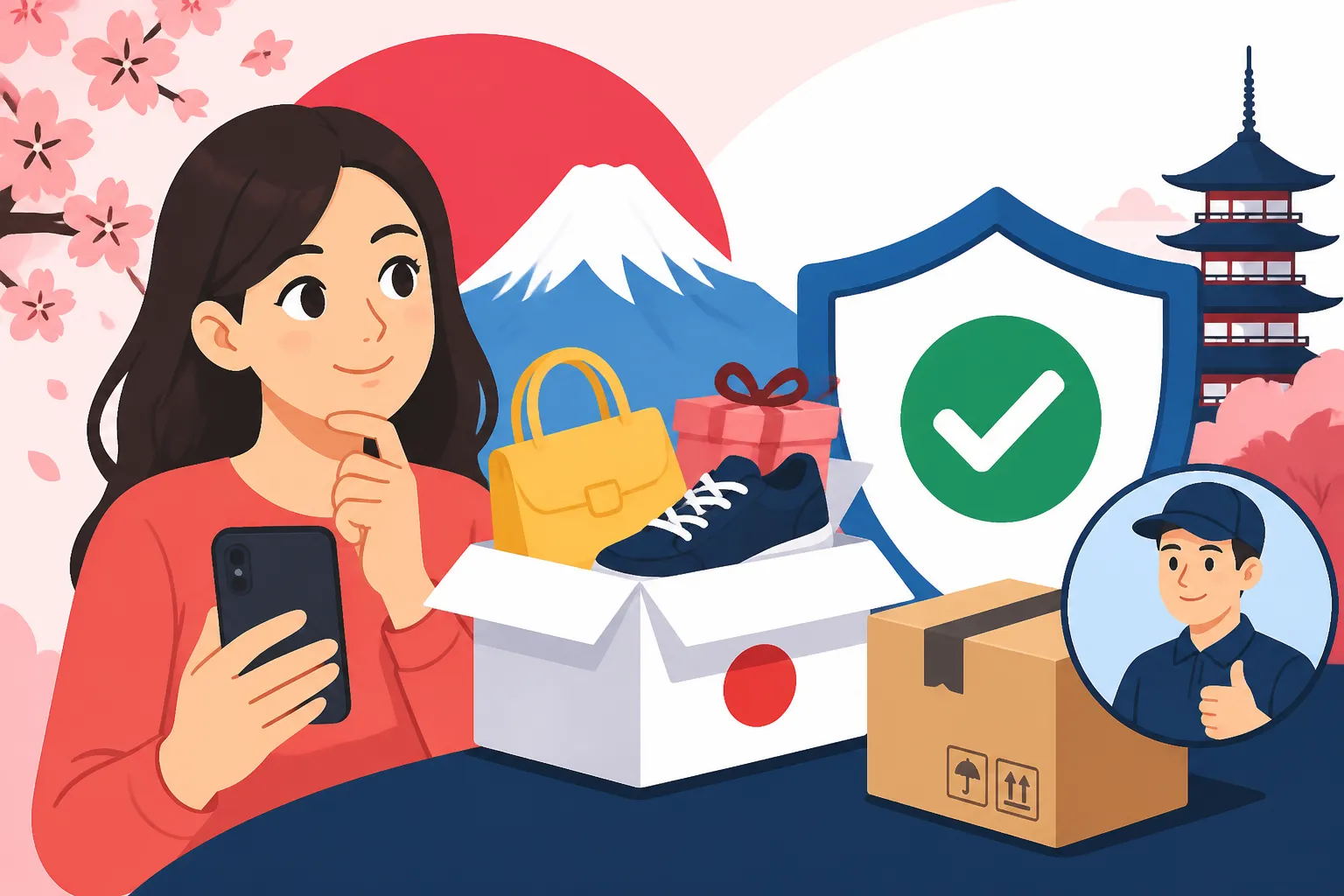
Are Japan Proxy Shopping Services Safe?
Oh, the allure of Japanese goods! From those incredibly specific hobby items to fashion pieces you can only dream of finding outside of Japan, it’s a treasure trove. But navigating the world of Japanese online shopping from overseas can feel like trying to cross Shibuya Crossing blindfolded. One of the biggest questions I hear from fellow expats and Japan enthusiasts is, "Are Japan proxy shopping services safe?" Let's break down this very real concern and put your mind at ease (or at least arm you with the right information!).
Disclosure: This post may contain affiliate links. We may earn a commission at no extra cost to you if you make a purchase through these links. Read full disclosure.
Understanding the Landscape: Why Proxy Services Exist
Before we dive into safety, it's crucial to understand why these services even exist in the first place. Many of you have likely stumbled upon a fantastic item on a Japanese website, only to hit a brick wall at checkout.
The "Japan-Only" Problem
You see, a significant number of Japanese retailers, particularly smaller shops, independent sellers on marketplaces, and even some larger chains, simply don't offer international shipping. It's not out of malice; it's often due to the complexity of international logistics, customs regulations, language barriers, and the sheer administrative headache involved. Imagine running a small craft shop in Kyoto and suddenly having to learn about shipping regulations for fifty different countries, dealing with currency conversions, and figuring out customs forms in English! It’s a huge ask.
This means that if you're not physically in Japan with a local address and a Japanese payment method, buying that limited-edition manga, that specific vintage kimono, or even a particular brand of skincare can feel utterly impossible. You might find something on Mercari Japan or Yahoo Auctions, but without a local account, a Japanese bank card, or someone on the ground to pick it up, it’s just window shopping. This is precisely where proxy services step in, acting as your personal shopper and logistics manager right here in Japan.
How Proxy Services Bridge the Gap
A proxy shopping service acts as your intermediary. They provide you with a local Japanese address to which sellers ship the items. They handle the payment to the Japanese seller using local methods, bypassing the need for you to have a Japanese credit card or bank account. Once the items arrive at their warehouse, they can consolidate multiple purchases into one shipment, often offering additional services like photo inspection or protective packaging, before shipping them internationally to your doorstep. Think of them as your personal assistant in Japan, handling all the logistical headaches so you can focus on finding those unique treasures. Companies like Buyee and ZenMarket are prime examples of services that have built their entire business around solving this very problem for international buyers. They essentially make the "Japan-only" barrier disappear, opening up a world of shopping possibilities.
Addressing the Safety Concerns Head-On
Now, let's tackle the elephant in the room: is handing your money and trust over to a company you've never met, located halfway across the world, a safe bet? It's a valid question, and the answer, for reputable services, is generally yes, but with important nuances.
Financial Security and Payment Protection
When you use a reliable proxy service, your financial transactions are typically quite secure. You're not sending money directly to an unknown seller in Japan. Instead, you're paying the proxy service through their established payment gateways, much like you would with any major international e-commerce site. Most reputable proxy services accept common international payment methods such as credit cards (Visa, Mastercard, American Express), PayPal, and sometimes even Wise or other online payment platforms.
These platforms come with their own layers of security, like encryption and fraud monitoring. If something goes wrong with the payment, you usually have recourse through your credit card company or PayPal's buyer protection policies. The proxy service acts as the direct buyer from the Japanese seller, assuming that initial financial risk. This means your personal payment details are kept separate from the individual Japanese sellers, adding a significant layer of security. Both Buyee and ZenMarket, for instance, have robust systems in place to ensure your payments are processed securely and your funds are protected. If a seller fails to ship an item or an order is canceled, these services usually manage the refund process, ensuring your money comes back to you.
Item Authenticity and Condition
This is where the line between the proxy service's responsibility and your own due diligence can get a little blurry. A proxy service, generally speaking, is not in the business of authenticating every single item that passes through their warehouse. They are logistics providers and intermediaries. Therefore, the risk of receiving a counterfeit item, an item not as described, or an item damaged by the original Japanese seller largely falls on the original seller.
However, reputable proxy services do offer ways to mitigate these risks:
- Seller Ratings: When buying from platforms like Yahoo Auctions or Mercari, always check the seller's ratings and reviews. Just as you would on eBay, high positive feedback is a strong indicator of trustworthiness.
- Optional Inspection Services: Many services, including Buyee and ZenMarket, offer optional "item inspection" or "photo verification" services for an additional fee. For valuable or sensitive items, this can be incredibly worthwhile. They'll open the package from the seller, check against the item description (e.g., color, size, obvious damage), and even send you photos before shipping it internationally. This acts as an early warning system.
- Insurance: Always opt for shipping insurance, especially for high-value items. While it won't protect against buying a fake, it will protect against loss or damage during international transit.
It's important to have realistic expectations. If you buy a rare, expensive designer bag from a seller with zero feedback on Yahoo Auctions, even the best proxy service can't guarantee its authenticity. The proxy's role is to facilitate the purchase and safe delivery, not to be an expert authenticator for every possible product category. For a deeper dive into these platforms, check out our guide on How to Buy from Mercari Japan from Overseas.
Shipping and Customs Reliability
The physical journey of your item from a Japanese seller to your home is another area where safety is paramount. Reputable proxy services excel here. They offer a range of reliable international shipping methods, including Express Mail Service (EMS), DHL, FedEx, and sometimes more economical options like surface mail. Each comes with its own speed, cost, and tracking capabilities.
- Consolidation: One of the greatest benefits, and a safety measure in itself, is package consolidation. Instead of paying for multiple small, expensive international shipments, the proxy combines all your purchases into one larger, more efficient parcel. This reduces the number of packages that could potentially get lost or damaged. If you're looking to save, understanding How Package Consolidation Saves You Money is crucial.
- Protective Packaging: Most services offer enhanced packaging options for fragile items, like extra bubble wrap or sturdier boxes, for a small fee. This is a must if you're shipping delicate ceramics or electronics.
- Customs Declarations: Proper customs declaration is vital. Proxy services handle this on your behalf, providing accurate descriptions and values of your items. This helps your package clear customs in your home country smoothly. However, it's your responsibility to understand your country's import duties and restrictions, as this can affect whether your item is held up or incurs additional costs. Take a look at Customs Declarations for Japan Proxy Orders Explained to prepare yourself.
- Tracking: All reliable international shipping methods come with tracking numbers, allowing you to monitor your package's journey every step of the way. This transparency adds a huge layer of security and peace of mind.
While delays can occur due to customs processing or global logistics issues (which are outside the proxy's control), the process itself is generally very secure when managed by an established service. If you're curious about all the potential fees involved, our guide on Understanding Japan Proxy Shopping Fees can help you budget effectively.
Mitigating Risks and Choosing a Reputable Service
While the overall safety record of established proxy services is high, being an informed buyer is your best defense against potential issues.
Researching the Proxy Service
Not all proxy services are created equal. Do your homework!
| Feature | Buyee | ZenMarket |
|---|---|---|
| Fees | Service fee per item, payment fee, optional plan fees, shipping fees | Flat service fee per item (300 JPY), payment fee, optional plan fees, shipping fees |
| Ease of Use | Integrated browsing/bidding on major Japanese sites, English interface | Integrated browsing/bidding, English interface, personal shopper available |
| Payment Options | Credit Card, PayPal, Alipay, Wise, etc. | Credit Card, PayPal, Wise, bank transfer, crypto |
| Insurance | Optional package insurance available | Optional package insurance available (ZenMarket's own system) |
| Photo Service | Optional item inspection/photo service for a fee | Optional photo service for a fee |
| Consolidation | Yes, multiple items into one package | Yes, multiple items into one package |
| Customer Support | English support available | Multilingual support available |
| Warehouse Storage | Free storage for a limited period, then fees apply | Free storage for up to 60 days, then fees apply |
This table provides a quick overview, but diving deeper into a service's specific terms is always recommended. Look for transparent fee structures; a reputable service will clearly lay out all potential costs upfront, from the service fee to shipping options and optional add-ons. Reading reviews from other users on independent forums or review sites can offer valuable insights into their experiences. While many people ask if Is Proxy Shopping from Japan Worth It? the value often comes from the peace of mind and access that a good service provides.
Best Practices for Buyers
Once you've chosen a proxy service, your actions as a buyer also play a huge role in a safe and successful transaction.
- Start Small: If you're new to proxy shopping, consider making a smaller, less expensive purchase first. This allows you to get a feel for the process, the fees, and the communication with the service without a huge financial commitment.
- Read Item Descriptions Meticulously: Even with a translation tool, be sure you understand exactly what you're buying. Pay attention to the condition, size, and any disclaimers from the Japanese seller.
- Check Seller Ratings on Original Platforms: This cannot be stressed enough. If you're buying from Yahoo Auctions Japan or Mercari, the seller's reputation on those platforms is your best indicator of a smooth transaction. Avoid sellers with low or negative feedback, especially for high-value items.
- Consider Optional Services: For items that are expensive, fragile, or where condition is critical, the small additional fee for a photo check or extra protective packaging is often money well spent. This allows you to confirm the item's condition before it even leaves Japan.
- Understand Shipping Options: Don't just pick the cheapest or fastest. Consider the balance of cost, speed, tracking, and insurance. For heavy or bulky items, even surface mail can be a surprisingly good option if you’re not in a hurry, though it can take months. Our guide on How to Estimate Shipping Costs from Japan can help you plan your budget accordingly.
- Stay Informed About Prohibited Items: Each country has rules about what can and cannot be imported. Make sure your desired item isn't on the list for your specific location. This can include anything from certain food products to specific electronics or chemicals. Familiarize yourself with Prohibited and Restricted Items When Importing from Japan to avoid nasty surprises at customs.
- Keep Communication Clear: If you have questions for the proxy service, ask them! Reputable services have customer support teams ready to assist in English.
The Verdict: Are They Safe?
After years of living here and seeing countless friends and readers use these services, I can confidently say that yes, Japan proxy shopping services are generally safe and highly reliable when you choose established and reputable companies. They fill a crucial gap for international buyers, allowing access to a vast array of unique Japanese goods that would otherwise be unattainable.
The primary risks involved usually stem not from the proxy service itself, but from the original Japanese seller or from misunderstandings on the buyer's part regarding shipping rules, customs fees, or item descriptions. Services like Buyee and ZenMarket act as trusted intermediaries, handling the complex logistics, payment processing, and international shipping with professionalism. They literally make it possible to shop like a local, without actually being one.
By choosing a well-regarded service, exercising due diligence when selecting items and sellers, and opting for protective measures like insurance or item checks, you can enjoy a safe, secure, and incredibly rewarding shopping experience from Japan. Happy hunting!
Disclaimer
Please remember that the information provided in this guide is for general informational purposes only and does not constitute professional advice. While we strive to keep the content up-to-date and accurate, policies, regulations, and market conditions can change rapidly. Always cross-reference information with official sources and, if necessary, seek advice from relevant experts. The author and publisher are not responsible for any actions taken based on the information in this article.