
Therapeutic Hot Springs: Onsen Health Benefits Expats Can Explore
Japanese hot springs, or onsen, combine mineral-rich water, gentle heat, and peaceful nature to support your body and mind. As an expat, you can use onsen trips to ease stress, improve sleep, soothe aches, and experience Japanese culture in a relaxed, healthy way.
Disclosure: This post may contain affiliate links. We may earn a commission at no extra cost to you if you make a purchase through these links. Read full disclosure.
Why Onsen Can Be Your Wellness Reset in Japan
Moving to Japan can be exciting and exhausting at the same time. Long workdays, language barriers, and a new culture all add up. One of the most enjoyable ways to recover is to soak in an onsen – a natural hot spring bath heated by volcanic activity.
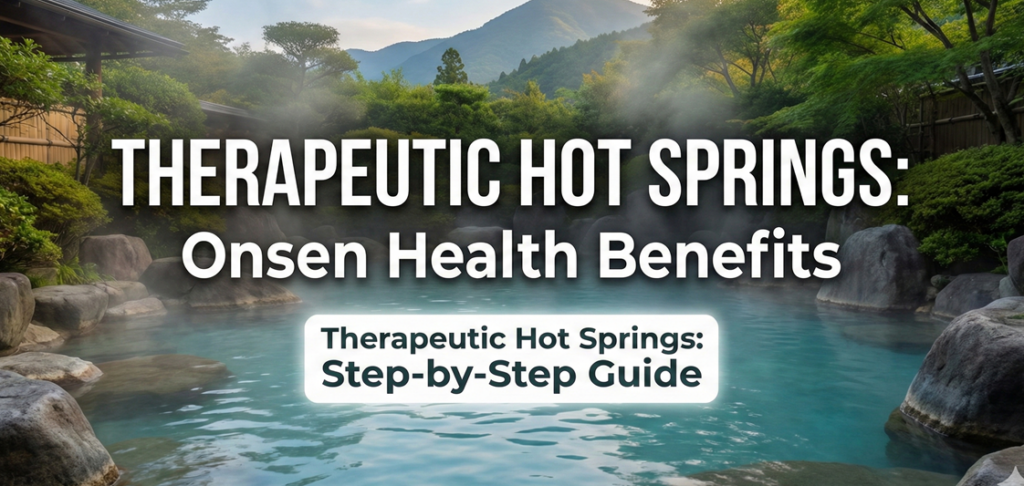
Japan has thousands of onsen across the country. The water is naturally warm and often packed with minerals such as sulfur, sodium, calcium and iron, which may help circulation, joint pain and skin issues.
Recent research in Japan and worldwide suggests that hot spring bathing (balneotherapy) can support musculoskeletal health, circulation and mental wellbeing, especially when combined with rest and fresh air.
For expats, onsen are more than a spa day. They can be a regular part of a healthy lifestyle in Japan, along with habits like Healthy Eating in Japan or building a simple Home Medicine Kit in Japan.
What Exactly Is an Onsen?
In Japan, “onsen” has a specific meaning under the Hot Springs Act: the water must come from underground at 25°C or higher, or contain a certain amount of minerals.
Many onsen are:
- Attached to ryokan (traditional inns)
- Part of larger resort hotels
- Simple local public baths in small towns
- Day-use wellness facilities in cities or suburbs
You’ll also hear:
- Rotenburo – outdoor baths, often with mountain or forest views
- Uchiyu – indoor baths
- Kashikiri / private onsen – private baths you can reserve as a couple, family, or individual
If you’re nervous about public nudity or tattoos, private onsen or tattoo-friendly facilities can make your first visit more comfortable.
For a deeper cultural overview, you can also read your future companion article Onsen and Sento 101: Japanese Bathhouse Culture for Health and Relaxation once it’s live.
Types of Onsen Water and Their Typical Benefits
Not all hot springs feel or smell the same. Japanese authorities classify onsen water by its mineral content and properties, such as simple, sulfur, chloride, iron, or carbonated springs.
Here is a simple overview:
| Onsen water type | Common feel / smell | Typical Japanese “indications”* | Good to try if you want… |
|---|---|---|---|
| Simple hot spring | Clear, mild, feels like regular hot water | Fatigue, nerve pain, insomnia, high blood pressure | A gentle, beginner-friendly soak |
| Sulfur spring | Distinct “egg” smell, cloudy or milky | Skin problems, diabetes, high blood pressure, chronic rheumatism | Softer skin and relief from stiffness (if your skin tolerates it) |
| Chloride spring | Feels “salty,” retains warmth | Poor circulation, joint pain, recovery from fatigue | To warm up deeply in winter and ease muscle aches |
| Hydrogen carbonate (bicarbonate) | Smooth, sometimes slightly fizzy or slippery | “Beauty baths” for smoother skin and better circulation | A spa-like skincare soak |
| Carbonated spring (CO₂) | Sparkling sensation on skin, lukewarm | Cardiovascular and blood pressure support, circulation | A gentler bath that still boosts blood flow |
| Acidic spring | Strong, very low pH, often used in famous ski/onsen towns | Antibacterial effects for certain skin issues, “beauty baths” | Skin-focused soaks (only if your skin is not sensitive) |
*These “indications” are part of traditional Japanese onsen culture. They can support wellbeing, but they do not replace proper medical treatment.
When you arrive at a hot spring town, look for signs and brochures that describe the spring type and its claimed benefits. Staff are usually happy to explain, especially in popular onsen areas like Hakone, Beppu, Kusatsu or Noboribetsu.
Proven and Potential Health Benefits of Onsen for Expats
1. Better Blood Circulation and Heart Health Support
Warm water immersion widens blood vessels and increases blood flow. Mineral-rich onsen water, especially with sodium bicarbonate and calcium, may further improve circulation and help deliver oxygen to muscles and tissues.
For expats who:
- Sit at a desk all day
- Spend hours on crowded trains
- Experience cold winters in Tokyo, Sapporo, or Nagano
regular, moderate onsen baths can be a pleasant way to ease cold feet, muscle tightness, and end-of-day fatigue. Pair your soaking routine with lifestyle habits explained in Fitness and Gyms in Japan: How Expats Can Stay Fit for even better cardiovascular benefits.
2. Relief from Joint, Muscle and Back Pain
Studies on balneotherapy show benefits for chronic musculoskeletal conditions such as arthritis and low back pain, thanks to a combination of warmth, buoyancy, and minerals.
In an onsen:
- The hot water relaxes tight muscles
- Buoyancy reduces pressure on joints and spine
- Gentle movements in water can improve flexibility
If you are recovering from an injury, talk to your doctor or physical therapist first. When appropriate, you can combine onsen visits with sessions at Physical Therapy and Rehab in Japan: Accessing Services for structured rehab and long-term joint care.
3. Skin Health and “Beauty Baths”
Sulfur springs and hydrogen carbonate springs are often marketed in Japan as “beauty baths” because they can help soften keratin and promote smoother skin. Some acidic springs are also popular for acne and certain skin conditions due to their antibacterial properties.
However, sensitive skin may react to strong minerals or very acidic water. Japanese hot spring associations advise rinsing off after soaking if the water is strong, especially in sulfur and acid springs.
If you have eczema, psoriasis, or other chronic skin problems, it can be helpful to:
- Start with short soaks in milder “simple” springs
- Avoid scratching while in hot water
- Rinse gently with lukewarm water afterward
- Moisturize your skin once you leave the bath
You can also consult English-speaking dermatologists through clinics listed in a future guide like Skincare and Dermatology Clinics for Expats in Japan if your skin condition needs professional care.
4. Stress Relief, Mental Health and Sleep Quality
The mental health benefits of warm bathing are not just a feeling. A nationwide study in Japan found that frequent hot spa bathing was associated with better mental health scores and lower stress.
Onsen can help you:
- Disconnect from work and screens
- Slow your breathing and heart rate
- Relax muscles that hold tension
- Prepare your body for deeper sleep
Many expats experience loneliness, culture shock, or seasonal mood changes, especially in dark winter months. Combining occasional onsen trips with resources from Mental Health for Expats: Counseling and Support in Japan or Managing Seasonal Affective Disorder in Japan’s Winter Months can create a strong personal mental health toolkit.
5. Immune and Metabolic Support
Some research suggests that regular hot spring bathing may help with metabolic health and chronic disease management by promoting relaxation, circulation and better sleep.
While the evidence is still developing, many Japanese health resorts integrate:
- Onsen sessions
- Light exercise like walking or stretching
- Healthy meals
- Good sleep routines
This “onsen resort stay” approach aligns with preventive health ideas discussed in Vaccinations and Health Check-ups for Expats in Japan and Full-Body Health Screenings in Japan: How to Book and What to Expect.
Who Should Be Careful or Avoid Onsen?
Hot springs are not automatically safe for everyone at any time. Japanese medical and onsen organizations highlight several important precautions.
You should speak with a doctor and be cautious if you:
- Have uncontrolled high blood pressure, serious heart disease or severe circulation problems
- Have serious respiratory disease
- Recently had a heart attack, stroke, or major surgery
- Have open wounds, active skin infections, or highly sensitive skin
- Feel drunk, dehydrated, or very exhausted
- Are at risk of fainting or dizziness
Onsen and Pregnancy
In Japan, pregnancy has been removed from the official list of absolute contraindications for hot spring bathing, and some studies have looked at safety for pregnant women in hot spring towns.
However, doctors still recommend extra care:
- Avoid very hot water and long soaks
- Be careful with slippery floors and steps
- Stop immediately if you feel lightheaded or unwell
- Speak with your own doctor or midwife first, especially in high-risk pregnancies
If you are pregnant in Japan, you may also want to explore resources in Prenatal and Postnatal Support in Japan: Resources for Foreign Mothers for wider care options.
Practical Onsen Etiquette for a Relaxing, Healthy Experience
Good etiquette is not just about manners – it also keeps the water clean and safe for everyone.
Basic Steps
- Check rules at the entrance
Many facilities provide bilingual signs explaining temperature, mineral content, and any health warnings. - Wash thoroughly before entering
Use the shower area to wash your body and hair. This is essential in Japan and keeps water hygienic. - Enter slowly
Sit at the edge first, then ease your body in. Going in too quickly can stress your heart. - Keep towels out of the water
Place the small towel on your head or on the side of the bath. - Limit soak time
Many health guides recommend 5–10 minutes at a time for very hot baths, especially if you are new to onsen. - Hydrate and rest afterward
Drink water, relax in a rest area, and avoid heavy exercise immediately afterward.
These habits fit well with general self-care strategies you might also read about in Quitting Smoking in Japan: Resources for Expats or Staying Healthy During Rainy Season in Japan, which focus on long-term lifestyle choices.
How Expats Can Integrate Onsen into Their Wellness Routine
1. Start with Day Trips from Your City
If you live in Tokyo, Osaka, Nagoya, or Fukuoka, there are many accessible onsen towns reachable in a few hours. Tourism sites for places like Hakone, Nikko, Beppu, and Noboribetsu provide clear access information and often list tattoo policies and English support.
A simple pattern could be:
- Morning travel and short walk
- Light lunch with plenty of water
- Afternoon onsen session (two or three short soaks)
- Early dinner and return home
This kind of trip can be a refreshing weekend break, similar to other ideas in Weekend Getaways from Tokyo: Best Destinations for Expats.
2. Combine Onsen with Outdoor Activity
Many hot spring towns sit in national parks or near ski areas. Consider pairing your soak with:
- A gentle hike
- A ski or snowboard session
- A walk through a historic town
This “move then soak” approach can help your muscles recover and deepen your feeling of relaxation. Just remember to rehydrate and be extra careful about heatstroke in summer and chill after bathing in winter, as described in Summer Heat Safety: Preventing Heatstroke in Japan and Winter Wellness: Coping with Cold Weather and Flu in Japan.
3. Use Onsen as Social and Cultural Time
Onsen visits can be a great way to build friendships with locals or other expats. Bathing together (after the first awkward minutes) often leads to relaxed conversations in the rest area or dining room.
You might join:
- Company retreats
- Friend group onsen trips
- Local community excursions
This can support your overall wellbeing just as much as the mineral water itself, similar to the social benefits discussed in Making Friends in Japan: Clubs, Meetups and Social Tips and Expat Communities in Japan: Online and Offline Groups to Join.
Safety Tips to Get the Most Health Benefits
To enjoy all the therapeutic effects and avoid “hot spring fatigue,” Japanese experts recommend a few simple rules.
Before bathing
- Avoid alcohol and large heavy meals
- Drink a glass of water or tea
- Check the posted water temperature and mineral type
- Remove jewelry that might discolor in sulfur or acidic water
During bathing
- Start with lukewarm pools if available
- Limit each soak to 5–10 minutes in hotter baths
- Leave the bath if you feel dizzy, breathless, or your heart is racing
- Cool down briefly between soaks (sit on the edge or rinse with cooler water)
After bathing
- Dry off and stay warm, especially in winter
- Drink water again to replace fluid loss
- Take it easy for at least 30 minutes, especially if you have heart or blood pressure concerns
If you feel unwell, inform staff immediately – most onsen facilities are used to assisting guests and can call emergency services if needed, similar to steps described in Navigating Emergency Medical Services in Japan (Dial 119, ER Tips).
Choosing Onsen That Match Your Health Goals
When planning a visit, think about what you want most from the experience:
- Stress relief and better sleep
- Look for quiet ryokan, outdoor rotenburo, and towns surrounded by nature.
- Choose moderate-temperature pools where you can relax without feeling overwhelmed.
- Muscle and joint recovery
- Consider chloride or sulfur springs known for supporting joint comfort.
- Combine with gentle stretching, massages, or advice from local rehab clinics.
- Skin and beauty focus
- Try hydrogen carbonate or sulfur “beauty baths,” but test your skin with short soaks first.
- Follow with a simple skincare routine and enough hydration.
- Year-round wellness habit
- Find a local day-use onsen or sento you enjoy near your home or workplace.
- Add regular visits to your routine, similar to gym workouts or yoga classes.
For longer stays, some health resorts in Japan offer multi-day packages that mix onsen, guided exercise, health talks and nutritious meals, echoing holistic wellness trends highlighted in Japanese research on hot springs and health.
Final Thoughts: Building Your Own Onsen Wellness Tradition
For many Japanese people, hot spring bathing is not a rare luxury – it is part of everyday or seasonal life. As an expat, you can also build your own onsen tradition while living in Japan:
- A monthly weekend escape to a favorite onsen town
- A quiet midweek evening soak at a local bathhouse
- A winter ritual to fight the cold and boost mood
- A self-care day combined with Annual Work Health Check (Kenko Shindan) in Japan or other preventive health steps
By approaching onsen mindfully – respecting your health limits, staying hydrated, and following simple etiquette – you can enjoy powerful therapeutic benefits while experiencing one of Japan’s most beloved cultural treasures.
Let the mineral-rich waters, mountain air and quiet steam become your personal reset button during your life abroad in Japan.
Disclaimer
This article is for general informational purposes only and does not constitute professional advice. Laws, prices and regulations vary by location and change over time. Consult a qualified professional for guidance on your specific situation.





