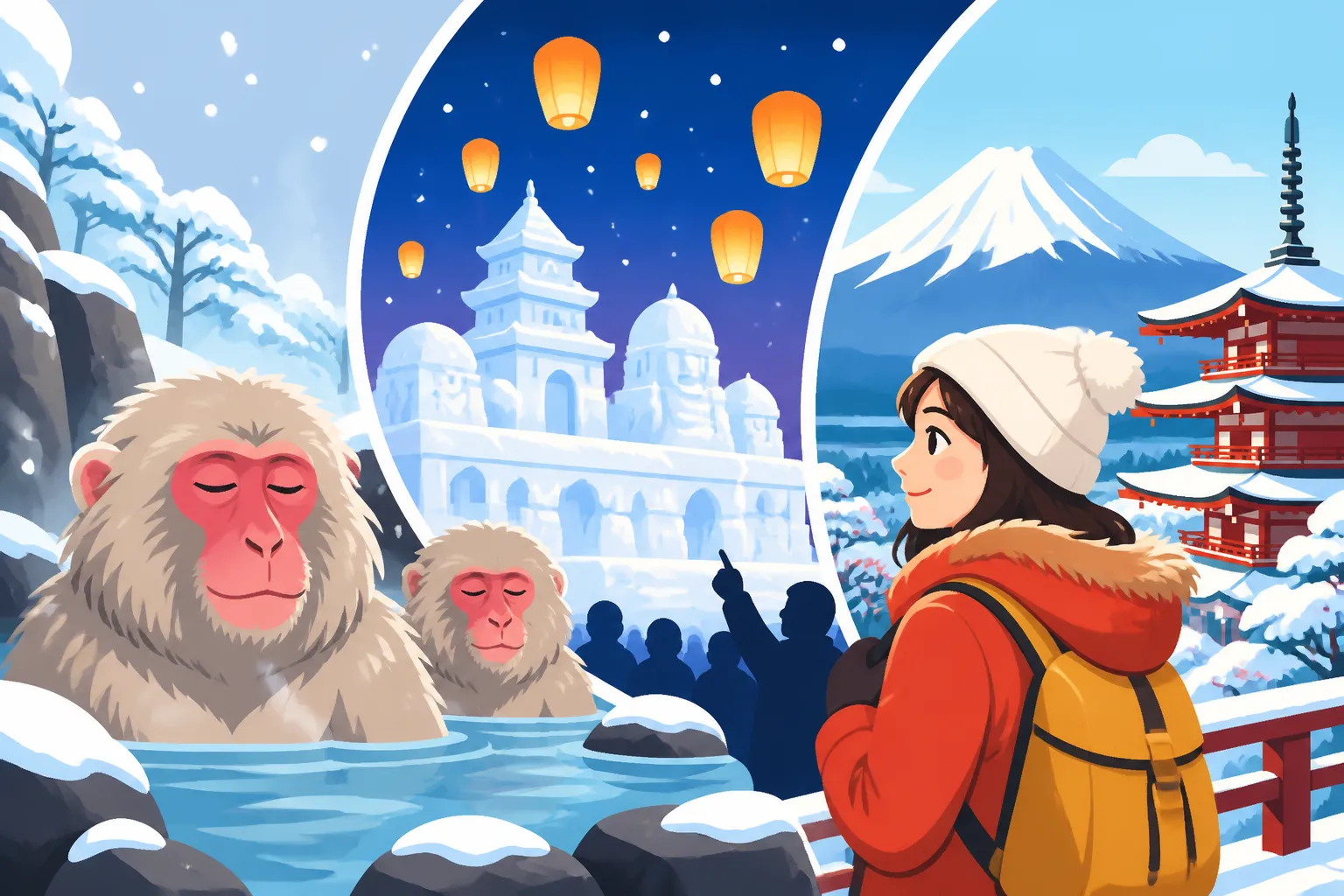
Snow Monkeys, Snow Festivals, and Winter Tours: Seasonal Booking Windows
Winter in Japan is nothing short of magical, with snow-capped landscapes, charming festivals, and unique wildlife encounters. But let's be real: trying to coordinate all these unforgettable experiences, especially during peak season, can feel like wrangling a group of enthusiastic but disorganized snow monkeys. If you're hoping to witness the famous Jigokudani snow monkeys, immerse yourself in dazzling snow festivals, or simply find the best winter tours, knowing when to book is your golden ticket. This guide will walk you through the essential booking windows and highlight how a reliable platform like Klook can be your best friend in navigating Japan's winter wonderland.
Disclosure: This post may contain affiliate links. We may earn a commission at no extra cost to you if you make a purchase through these links. Read full disclosure.
Chasing Japan's Famous Snow Monkeys Jigokudani Monkey Park
The Jigokudani Monkey Park, tucked away in the mountains of Nagano, is world-renowned for its wild Japanese macaques that warm themselves in natural hot springs. Seeing these "snow monkeys" is a quintessential winter experience, but timing and planning are everything.
Best Time to See the Snow Monkeys
While the park is open year-round, the prime time to see the snow monkeys truly living up to their name is, unsurprisingly, during the snowy months. This usually runs from December to March, with January and February often offering the most consistent snowfall. Imagine: steam rising from the onsen, curious monkeys grooming each other, completely unfazed by the icy air. It's a photographer's dream and a memory you'll cherish.
However, "best time" also means "busiest time." The park entrance area, and especially the path leading up to the hot spring, can get quite crowded. If you visit on a non-snowy day in winter, the monkeys will still be there, but the iconic "snow monkey in a hot spring" photo might be elusive. Keep an eye on local weather forecasts as your trip approaches for the best chance of fresh snow. Remember, these are wild animals, so their behavior and presence aren't guaranteed, but the park staff provide food to encourage them to stay nearby.
Getting There: Transportation and Tour Options
Reaching the Jigokudani Monkey Park isn't always straightforward, especially if you're coming from Tokyo or Kyoto. It involves a combination of Shinkansen, local trains, and often a bus, followed by a 30-minute walk through a beautiful, often snowy, forest path.
For many expats and tourists, especially those with limited Japanese language skills or who prefer a hassle-free experience, a guided tour is an absolute lifesaver. These tours often depart from major hubs like Tokyo or Nagano City and handle all the logistics, from transportation to ticket purchases. Plus, a local guide can offer fascinating insights into monkey behavior and the surrounding area. This is where a service like Klook truly shines. They offer various tours that combine the snow monkeys with other Nagano attractions, like Zenkoji Temple or a sake tasting, making it incredibly convenient to tick off multiple experiences in one go. Booking these tours through Klook ensures you have a confirmed spot, often with English-speaking guides, which takes a huge amount of stress out of your planning.
Essential Tips for Your Snow Monkey Visit
Visiting Jigokudani requires a bit of preparation. The 30-minute walk from the bus stop to the park entrance can be slippery and cold.
- Dress Warmly: Layers are your friend. Thermal underwear, a waterproof outer shell, gloves, a hat, and sturdy, waterproof boots with good grip are non-negotiable.
- Arrive Early: To beat some of the crowds, aim to arrive right when the park opens, usually around 9:00 AM. This gives you a better chance to observe the monkeys in a quieter setting.
- Footwear: Seriously, wear appropriate shoes. The path can be packed snow and ice. If you forget, there are usually places to rent boots near the bus stop, but it's best to come prepared.
- Respect the Wildlife: Keep a respectful distance from the monkeys and absolutely do not feed them or try to touch them. Park rules are clearly posted.
- Combine with Onsen: The region around the park, Yamanouchi, is famous for its onsen (hot springs). After a chilly trek and monkey viewing, soaking in a nearby traditional Japanese bath is the perfect way to warm up. Consider extending your trip to stay at a ryokan with an onsen for a truly authentic experience. Many tours you can find on Klook also include an onsen stop.
Embracing the Magic of Japan's Snow Festivals
Japan's winter isn't just about snow; it's about celebrating it with incredible artistry and dazzling lights. Snow festivals are a major draw, transforming cities into temporary galleries of ice and light.
The Sapporo Snow Festival: A Winter Wonderland
The Sapporo Snow Festival in Hokkaido is perhaps the most famous, attracting millions of visitors each February. It’s an epic scale event, with three main sites: Odori Park, Susukino, and Tsudome. Odori Park is where you'll find the colossal snow sculptures, some towering several stories high and often depicting famous landmarks or anime characters. Susukino features intricate ice sculptures, dramatically lit at night, and Tsudome offers family-friendly snow slides and activities.
The sheer scale of the festival means massive crowds, especially on weekends and during the evening illuminations. If you plan to attend, booking your flights and accommodation needs to happen months in advance, often as early as July or August the previous year, especially for popular hotels near Odori Park. Finding last-minute rooms in Sapporo during the festival is virtually impossible and incredibly expensive. For smooth travel, consider using Klook to find packaged deals that include flights and hotel stays, or even guided tours from other parts of Hokkaido. This can often unlock better availability and prices.
Smaller, Charming Snow Festivals Across Japan
Beyond Sapporo, numerous other snow and light festivals offer a more intimate, yet equally enchanting, winter experience.
- Otaru Snow Light Path (Hokkaido): Held concurrently with Sapporo, this festival sees the charming canal city of Otaru illuminated by thousands of glowing snow lanterns and candles. It’s incredibly romantic and less chaotic than Sapporo.
- Hirosaki Snow Lantern Festival (Aomori): Set against the backdrop of Hirosaki Castle, this festival features hundreds of snow lanterns and mini igloos, creating a magical atmosphere. The castle grounds are stunning under snow.
- Yokote Kamakura Festival (Akita): A truly unique experience, this festival sees the town of Yokote dotted with dozens of kamakura (igloo-like snow domes), inside which children offer mochi and warm sake to visitors. It's a heartwarming, traditional event.
- Zao Onsen Snow Monster Festival (Yamagata): While not a "festival" in the traditional sense, seeing the Juhyo (snow monsters) – trees encased in snow and ice – at Zao Onsen is an otherworldly experience. This peaks in February and often involves night illuminations.
For these smaller, often more traditional festivals, you might not need to book quite as far in advance as Sapporo, but 3-4 months ahead is still advisable, particularly for accommodation in the local area. Transportation can be tricky to figure out on your own, so checking Klook for day tours from nearby major cities (like Sendai for Zao or Akita for Yokote) can be a fantastic way to access these gems without stress. These niche experiences are often overlooked by casual tourists, offering a deeper dive into Japanese winter culture.
When to Book for Peak Festival Experience
To reiterate, peak snow festival times, especially for Sapporo, are a race against time.
| Festival/Event | Ideal Booking Window | Notes |
|---|---|---|
| Sapporo Snow Festival | 6-8 months in advance | Flights & Accommodation essential. Tours highly recommended. |
| Otaru Snow Light Path | 4-6 months in advance | Hotel availability can be tight due to Sapporo overflow. |
| Hirosaki Snow Lantern Festival | 3-5 months in advance | Less crowded, but local accommodation fills up. |
| Yokote Kamakura Festival | 3-5 months in advance | Limited local hotels; consider day trip from Akita/Sendai. |
| Zao Snow Monsters (Juhyo) | 3-4 months in advance | Especially for weekends and during night illuminations. |
| Jigokudani Snow Monkeys | 2-4 months in advance | Especially for tours, day trips, and ryokan stays. |
These timelines are crucial. Missing the booking window for a major festival like Sapporo might mean you simply can’t find anywhere to stay within a reasonable distance or budget. By planning ahead and using platforms like Klook, you can secure your spot and enjoy these spectacular events.
Discovering Diverse Winter Tours and Experiences
Japan's winter offerings extend far beyond just snow monkeys and festivals. From world-class skiing to tranquil hot spring escapes, there’s something for every type of traveler.
Skiing and Snowboarding Adventures
Japan is renowned for its incredible powder snow, and avid skiers and snowboarders flock to resorts like Niseko in Hokkaido and Hakuba in the Japanese Alps. These resorts offer fantastic slopes, English-speaking services, and vibrant après-ski scenes.
- Niseko (Hokkaido): Famous for its champagne powder and international atmosphere. Peak season runs from mid-December to early March. Booking accommodation and ski passes should be done 4-6 months in advance, especially if you want a particular chalet or hotel. Flights to Sapporo also fill up quickly.
- Hakuba (Nagano): Host of the 1998 Winter Olympics, Hakuba offers diverse terrain across multiple resorts, stunning mountain views, and easy access from Tokyo. Similar to Niseko, book 3-5 months ahead for peak season (January-February).
Many resorts offer package deals that include lift passes, equipment rental, and sometimes lessons. Klook is an excellent resource for finding and booking these ski packages, individual lift passes, or even transportation directly to the resorts. You can compare options for Niseko or explore deals for the various Hakuba resorts, ensuring you get the best value and secure your spot on the slopes. Don't forget to look into Skiing and Snowboarding in Japan: Best Resorts and Tips for Expats for more in-depth planning.
Winter Illumination and Onsen Retreats
For those seeking a more relaxed pace, Japan’s winter illuminations offer breathtaking displays of light, while traditional onsen towns provide ultimate warmth and relaxation.
- Nabana no Sato (Mie Prefecture): Near Nagoya, this botanical garden hosts one of Japan’s most spectacular winter illuminations, running from late October through early May. The scale and artistry are astounding. Booking transport and any guided tours here about 1-2 months in advance is usually sufficient, though peak holiday weekends might warrant earlier booking.
- Ginzan Onsen (Yamagata Prefecture): A picturesque, old-world onsen town that looks straight out of a Studio Ghibli film, especially when dusted with snow. Traditional wooden ryokans line a narrow river, glowing softly in the winter evening. Accommodation here is highly sought after and can require booking 6-8 months in advance, sometimes even a year, due to limited capacity.
- Kusatsu Onsen (Gunma Prefecture): One of Japan's most famous onsen, known for its highly acidic waters. While not as secluded as Ginzan, it offers a lively atmosphere and unique yumomi (hot water stirring) performances. Booking a stay 3-4 months ahead for popular winter dates is recommended.
Klook can assist in finding tours that include visits to these amazing illumination spots or help you book transport to charming onsen towns like Kusatsu. While Ginzan Onsen is often harder to book independently, Klook might offer specific tour packages that secure a visit or nearby accommodation, making it an excellent option for accessing these popular but challenging destinations. For more on these soothing experiences, check out Therapeutic Hot Springs: Onsen Health Benefits Expats Can Explore.
Cultural Winter Experiences
Beyond the usual, Japan offers unique winter activities that immerse you in its culture and natural beauty.
- Ice Fishing on Lake Shikaribetsu (Hokkaido): Experience the unique thrill of ice fishing on a frozen lake, often with a temporary onsen or ice bar built on the ice itself. This is a truly off-the-beaten-path experience that often requires booking specialist tours 2-3 months in advance.
- Nighttime Photography Tours: Many regions offer guided tours focused on capturing the beauty of winter landscapes, snow festivals, or city illuminations after dark. These often require specialist equipment and guidance, which Klook can help you find.
- Snowshoeing and Winter Hiking: For the adventurous, guided snowshoeing tours in national parks or picturesque mountain areas (like around Nagano or Tohoku) can offer breathtaking views and a quiet escape. These smaller group tours often need booking 1-2 months in advance to secure a guide and equipment.
For these less mainstream but deeply rewarding experiences, it’s always a good idea to search on Klook. They often partner with local operators who specialize in these unique tours, providing not just convenience but also a layer of safety and reliability. They help connect you with local experts who can unlock these incredible adventures. You might also find some fascinating insights in Winter Wellness: Coping with Cold Weather & Flu in Japan as you prepare for your adventures.
Mastering Your Winter Travel Booking Strategy with Klook
Navigating the intricacies of Japanese winter travel, especially during peak seasons, can be overwhelming. But with a strategic approach and the right tools, it becomes an exciting part of your adventure.
Why Early Booking is Non-Negotiable
Japan's popularity as a winter destination means that demand for prime spots and experiences skyrockets. Flights, accommodations, Shinkansen tickets, and popular tours sell out months in advance. The later you book, the fewer options you'll have, and the higher the prices will be. This isn't just about convenience; it's about securing your chosen experiences at a reasonable cost. Missing out on a hotel near Sapporo Snow Festival or a specific Snow Monkey tour can drastically alter your trip plans, forcing last-minute, expensive, and often unsatisfactory alternatives. Early booking also gives you peace of mind and allows you to focus on the exciting details of your itinerary rather than worrying about logistics.
Leveraging Klook for Seamless Planning
This is where Klook truly becomes your essential travel companion for winter in Japan. Klook offers an incredible array of activities, tours, and transportation options that are specifically curated for ease of booking and often come with competitive pricing.
Imagine wanting to visit the Jigokudani Snow Monkey Park. Instead of piecing together train schedules, bus times, and entrance tickets, you can simply hop onto Klook and book a comprehensive day tour. This tour often includes round-trip transportation from a major city, park entrance fees, and even an English-speaking guide. This saves you countless hours of research and potential language barriers. Klook offers:
- Vast Selection: From grand adventures like the Sapporo Snow Festival to niche tours like a winter hike to Zao Snow Monsters: Access, Viewing, and Safety Tips, Klook aggregates a wide variety of activities.
- Convenience: Book everything in one place, from airport transfers to day tours and attraction tickets. Their platform is user-friendly and supports multiple languages.
- Bundled Deals: Often, Klook provides attractive packages that combine popular attractions or include transportation, offering better value than booking each component separately.
- Verified Experiences: Booking through Klook means you're choosing reputable operators, which adds a layer of reliability and safety to your winter travels.
- Digital Tickets: Say goodbye to paper tickets and fumbling for change. Most Klook bookings provide digital e-vouchers or QR codes, making your entry smooth and efficient.
Whether you're looking to book Jigokudani Snow Monkeys: Winter Visit Planning Guide or secure a spot for Sapporo Snow Festival: First-Timer Strategy and Nearby Ideas, Klook simplifies the entire process. It's especially useful for planning itineraries with multiple stops, allowing you to string together different experiences seamlessly.
Seasonal Booking Window Table
Here's a general guide to help you plan your bookings for Japan's winter experiences:
| Winter Experience Category | Optimal Booking Window (Before Travel) | Key Considerations | Recommended Klook Strategy |
|---|---|---|---|
| Major Snow Festivals (e.g., Sapporo) | 6-8 months | High demand for flights & hotels; limited availability. | Book Klook tours immediately after securing flights/accommodation. Look for multi-city packages. |
| Popular Ski Resorts (e.g., Niseko, Hakuba) | 4-6 months | Accommodation, lift passes, and flights sell out fast. | Pre-book Klook ski passes, equipment rental, and lessons. Consider transfers. |
| Jigokudani Snow Monkeys | 2-4 months | Tours from Tokyo/Nagano, local accommodation, day trips. | Secure Klook day tours, which often bundle transport and entry. |
| Scenic Onsen Towns (e.g., Ginzan, Kusatsu) | 3-6 months (Ginzan often 8-12 months) | Limited ryokan capacity, especially popular ones. | Check Klook for specialized onsen town tours or direct transport. |
| Winter Illuminations (e.g., Nabana no Sato) | 1-2 months | Less pressure, but popular weekends/holidays fill up. | Book Klook transport/entry tickets to bypass lines. |
| Niche Cultural Tours (e.g., Ice Fishing, Zao Juhyo) | 2-3 months | Smaller group sizes mean fewer spots, specialist guides. | Search Klook for local operator tours for unique experiences. |
| Shinkansen & Domestic Flights | 1-3 months | Peak travel dates (New Year, festivals) sell out quickly. | Use Klook for flexible train passes or domestic flight bookings, especially if part of a package. |
This table should give you a clear roadmap for when to start clicking that "book now" button on Klook!
Disclaimer
This article is for general informational purposes only and does not constitute professional advice. Laws, prices and regulations vary by location and change over time. Consult a qualified professional for guidance on your specific situation.





