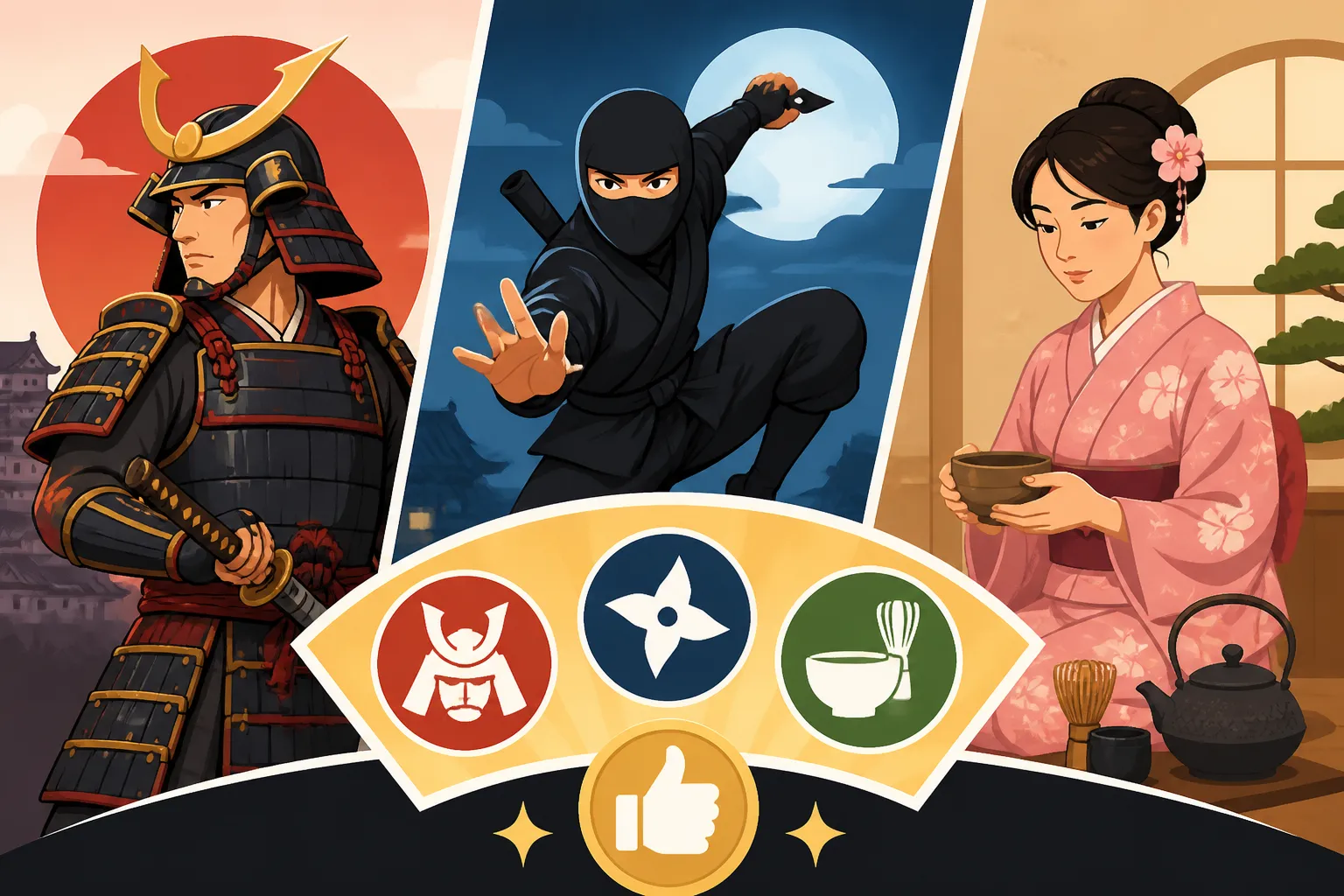
Samurai, Ninja, and Historical Experiences: Which Ones Are Worth the Money
Stepping foot in Japan, it’s easy to get swept away by the sheer volume of incredible historical experiences on offer. From the stoic discipline of samurai sword training to the elusive arts of the ninja, everyone wants to dive into that rich, ancient world. But with so many options, how do you sort the truly authentic, worthwhile gems from the overpriced tourist traps? It's a real headache trying to figure out which experience will genuinely transport you back in time and which might leave you feeling a bit ripped off. This guide will help you navigate the labyrinth of historical adventures, highlighting what truly delivers value and how platforms like Klook can make your booking seamless and stress-free.
Disclosure: This post may contain affiliate links. We may earn a commission at no extra cost to you if you make a purchase through these links. Read full disclosure.
The Allure of Japan's Feudal Past: Why We Seek These Experiences
There's something incredibly captivating about Japan's feudal past. It's a time of honor, strict codes, stunning craftsmanship, and legendary figures that have shaped not just Japan, but also captivated imaginations worldwide. As foreigners, we often arrive with romanticized images from films, books, and games, eager to touch a piece of that history. The desire isn't just to see old things; it's to feel the legacy, to understand the philosophies, and to participate in traditions that have been passed down through generations.
Beyond the Glossy Brochures: What Tourists Really Want
When you're browsing through brochures or scrolling online, every experience looks amazing. They all promise "authentic" and "unforgettable" moments. But what we often really want is something deeper than a quick photo opportunity. We're looking for an educational journey, a chance to truly connect with the culture, and an understanding that goes beyond the surface. It's frustrating when you spend your hard-earned yen and precious travel time on something that feels rushed, uninspired, or simply inauthentic. We want to avoid that gnawing feeling of "I could have done something better with my money." We want to learn the why behind the what, not just perform an action. For instance, holding a samurai sword is cool, but understanding the philosophy of its use, the dedication of its wielder, and the history it represents is what transforms a momentary thrill into a lasting memory.
The Wide Spectrum of Historical Offerings
Japan offers a truly staggering array of historical and cultural experiences, catering to every interest and budget. You could spend a day wandering through an ancient castle, picturing the daimyo and their retainers, or you could don a kimono and stroll through the historic streets of Kyoto. For the more active, there are hands-on workshops like samurai sword lessons, ninja obstacle courses, or even learning to play traditional instruments. Then there are the more subtle, reflective experiences, such as participating in a tea ceremony or watching a classical Noh or Kabuki performance. Each offers a different window into Japan's soul, from the fierce martial spirit to the serene artistic traditions. Navigating this vast landscape requires a bit of foresight and understanding of what each option truly entails, especially if you're looking to get the most bang for your buck and truly feel immersed.
Decoding "Worth the Money": Factors for Evaluating Historical Experiences
Deciding if a samurai, ninja, or historical experience is "worth the money" in Japan boils down to more than just the price tag. It's about value, authenticity, and how deeply it resonates with your personal interests. We’ve all been there, paying a premium for something that felt like a conveyor belt tourist trap rather than a genuine cultural interaction. To avoid that sinking feeling of buyer's remorse, it's essential to look beyond the flashy advertisements and dig into the core components of what makes an experience truly enriching. This often means seeking out opportunities that prioritize genuine cultural exchange and skilled instruction over sheer novelty.
Authenticity and Educational Value
The quest for authenticity is paramount. When it comes to historical experiences, you don't just want a costume and a prop; you want a connection to the past. A truly worthwhile experience will be led by individuals who are not only masters of their craft but also passionate educators. For instance, a samurai sword training session is far more impactful if taught by a sensei with a lineage in traditional martial arts, rather than just an actor. Look for experiences that offer insightful explanations about the history, philosophy, and cultural significance behind the activity. Do they provide English translations or interpreters? Can they articulate the nuances of a tea ceremony or the stealth tactics of a ninja beyond just demonstrating them? An experience with high educational value often uses real or historically accurate equipment, shares genuine stories, and treats the subject matter with respect, moving beyond superficial theatrics to offer real insight. When browsing options on platforms like Klook, pay close attention to the descriptions that detail the background of the instructors and the depth of the cultural context provided.
Immersion and Interaction Opportunities
Immersion is key to feeling like you've truly stepped into Japan's history. This means opportunities for hands-on participation and direct interaction, not just passive observation. Think about it: watching a tea ceremony is lovely, but participating in one, learning the gestures, and savoring the matcha you prepared yourself, is an entirely different level of engagement. For ninja experiences, simply watching a show might be entertaining, but getting to try shuriken throwing or stealth techniques yourself creates a personal connection. Look for workshops, classes, or guided tours where you can ask questions, receive personalized instruction, and really get your hands dirty. These interactive elements foster a deeper understanding and create more vivid memories. When an experience allows for direct engagement, it transforms you from a mere spectator into an active participant in Japan’s vibrant cultural tapestry. Klook's detailed listings often highlight these interactive components, helping you pinpoint activities where you can truly get involved.
Cost vs. Experience: Avoiding Buyer's Remorse
Let's be real: Japan isn't always cheap, and historical experiences can vary wildly in price. "Worth the money" isn't about finding the absolute cheapest option; it's about the perceived value you receive for what you pay. A ¥3,000 tea ceremony might feel like a rip-off if it's rushed and impersonal, while a ¥15,000 samurai experience could feel like a steal if it provides hours of profound instruction and genuine cultural exchange. Consider what's included: Are materials provided? Is there an English interpreter? How long is the session? Read recent reviews carefully to gauge others' satisfaction levels. If many people complain about hidden fees, a short duration for the price, or a feeling of being herded through, it's a red flag. Remember that sometimes paying a bit more upfront for a highly-rated, comprehensive experience through a reputable platform like Klook can save you from the disappointment of a subpar, cheaper alternative, ultimately preventing buyer's remorse and ensuring a more memorable trip.
Top-Tier Samurai, Ninja, and Historical Experiences in Japan (and How Klook Helps You Find Them)
Japan is overflowing with incredible opportunities to dive deep into its storied past, but knowing which experiences truly live up to the hype – and the cost – can be tricky. This is where a reliable booking platform like Klook becomes invaluable. They often curate and partner with legitimate, highly-rated operators, providing transparency through reviews and detailed descriptions that help you make an informed choice. It’s all about finding those sweet spots where historical immersion meets genuine value.
Samurai Sword Training and Culture
For many, the image of a samurai wielding a katana is the epitome of feudal Japan. True samurai sword training goes far beyond just posing with a blade. The best experiences offer a glimpse into bushido, the samurai code, teaching not just sword movements but also the discipline, respect, and philosophy behind them. You'll typically find these experiences in cities rich with samurai history like Kyoto or Tokyo, often in traditional dojos. Look for sessions that emphasize proper etiquette, basic stances, and cutting techniques (often with iaito or bokken – unsharpened or wooden swords). A great experience will include a knowledgeable sensei who can explain the history of the katana and its place in Japanese culture.
Platforms like Klook are fantastic for finding these authentic dojo experiences. They often list workshops with English-speaking instructors or provide interpreters, ensuring you grasp the deeper meaning behind each swing. Booking through Klook means you can easily compare different dojos, read reviews from other international travelers, and secure your spot without language barriers or last-minute surprises. They often partner directly with established martial arts schools, giving you access to genuine instruction that might otherwise be hard to find.
Immersive Ninja Experiences
The ninja, with their enigmatic skills and stealthy tactics, hold a different kind of fascination. If you're envisioning parkour and smoke bombs, some tourist-focused options might deliver, but the truly worthwhile experiences offer more. Look for places that teach the historical context of ninja, their tools, and their survival techniques, often in dedicated "ninja villages" or training centers. Activities might include shuriken (throwing star) practice, blowgun challenges, stealth walking, or even learning some basic self-defense moves that would have been essential for a ninja.
Again, Klook is your friend here. Searching on Klook allows you to filter by location, read up on what each ninja experience specifically offers, and see how interactive it truly is. Whether it’s the full-day training at a facility outside Tokyo or a shorter, more intense workshop in Kyoto, Klook can help you book an experience that combines fun with a respectful nod to the historical reality of these legendary figures. They ensure you're connecting with reputable centers that provide more than just a costume change and a quick photo.
Traditional Tea Ceremonies and Kimono Dress-Up
While not about swords or stealth, participating in a traditional tea ceremony (chanoyu) or dressing in a beautiful kimono offers a profound connection to Japan’s cultural history and aesthetic values. A tea ceremony is a meditative art form, focusing on harmony, respect, purity, and tranquility. A good session will guide you through the intricate steps, explain the significance of each gesture, and allow you to appreciate the subtle flavors of matcha. Similarly, donning a kimono isn't just about fashion; it's about experiencing the elegance and grace of traditional Japanese attire, often paired with a stroll through historic districts.
Finding the right place for these delicate experiences can be challenging. You want a serene, authentic setting for a tea ceremony, not a noisy cafe. For kimono rentals, you need a shop that offers quality kimonos, professional dressing services, and perhaps even hairstyling. Klook simplifies this by aggregating highly-rated cultural centers and kimono rental shops. You can easily browse options, often with various tiers of service, from simple kimono rentals to elaborate tea ceremony packages, ensuring a memorable and respectful cultural immersion.
Castle Tours and Historical Sites with English Guides
Japan boasts numerous magnificent castles, from the pristine Himeji Castle to the historic Osaka Castle. Simply walking through them with a guidebook, however, can sometimes feel a bit dry. To truly bring these stones to life, an experienced English-speaking guide is indispensable. A great guide can weave tales of battles, explain architectural defenses, share anecdotes about the warlords who lived there, and clarify the political landscape of the era. This transforms a mere sightseeing trip into an educational journey, allowing you to appreciate the ingenuity and struggle behind these imposing structures.
Klook offers various guided tours, including those focused on historical sites like castles. These guided experiences can include skip-the-line tickets and transport, making your visit efficient and informative. By booking through Klook, you can select tours with proven track records for engaging guides and comprehensive narratives, ensuring that your visit to a Japanese castle is much more than just a walk in an old building. Consider a tour that combines a castle visit with nearby historical districts or museums to get a fuller picture.
Geisha/Maiko Performances and Cultural Shows
The world of geisha and maiko (apprentice geisha) is one of Japan's most exquisite and often misunderstood cultural treasures. Witnessing a genuine performance or interacting with these artists is a truly special experience, but it’s crucial to approach it respectfully and ethically. You want to avoid the "zoo-like" tourist interactions and seek out legitimate venues where you can appreciate their traditional arts, such as dance, music, and conversation. These performances are typically held in exclusive ochaya (tea houses) or dedicated cultural theaters, often in Kyoto's Gion district.
Finding access to authentic geisha or maiko experiences can be difficult for foreigners due to language barriers and established protocols. Klook often provides opportunities to attend organized cultural shows or dining experiences where maiko might perform, offering a respectful and accessible way to encounter this unique art form. They help bridge the gap, allowing you to enjoy these rare cultural showcases without navigating the complexities of traditional Japanese hospitality on your own. Booking through Klook ensures you're accessing vetted experiences that respect both the artists and the cultural tradition.
Booking Your Historical Adventure: Why Klook is Your Go-To
After carefully considering the myriad of options for samurai, ninja, and other historical experiences in Japan, the next logical step is figuring out the how. This is where the initial excitement can sometimes turn into a frustrating maze of Japanese-only websites, complicated payment systems, and unclear cancellation policies. As someone who has navigated these waters countless times, I can tell you that having a reliable booking partner makes all the difference. This is precisely why Klook stands out as an exceptional resource for expats and tourists alike, serving as a trusted bridge to Japan’s incredible cultural landscape.
Streamlined Booking and Transparent Pricing
One of the biggest headaches when planning activities in Japan is the booking process itself. Many smaller, local businesses offering truly authentic experiences might not have robust English websites, or their online booking systems can be arcane. This is a common pain point for foreigners, leading to missed opportunities or stressful phone calls with translation apps. Klook completely bypasses this hurdle. Their platform is designed with international travelers in mind, offering clear, concise descriptions in multiple languages, including English.
But it's not just about language; it's about clarity. Klook provides transparent pricing upfront. You see the total cost, often including any potential taxes or fees, which helps you budget effectively. You won't be caught off guard by unexpected charges when you arrive. This level of straightforwardness is a breath of fresh air compared to digging through ambiguous Japanese websites or trying to confirm prices over the phone. Booking your samurai class or tea ceremony through Klook means a few clicks, a secure payment, and a confirmation in your inbox – simple, fast, and reliable.
Verified Reviews and Quality Assurance
When you're shelling out for a unique cultural experience, you want assurance that it’s going to be good. The internet is full of glowing self-descriptions, but real, unfiltered reviews from fellow travelers are gold. Klook’s strength lies in its extensive user review system. Every activity listed on their platform comes with ratings and detailed feedback from people just like you who have already experienced it. These reviews offer invaluable insights into the authenticity, the quality of instruction, the friendliness of staff, and the overall atmosphere.
This crowd-sourced wisdom is a powerful tool to weed out potential "tourist traps" and identify experiences that consistently deliver high value. Furthermore, Klook often partners directly with reputable local operators, ensuring a certain standard of quality and safety. They act as a filter, presenting you with options that have already met a benchmark, saving you the legwork of sifting through countless unverified listings. This quality assurance, backed by real-world testimonials, gives you peace of mind that your money is well spent.
Exclusive Deals and Package Options
Let’s talk value. While some might think using a booking platform adds an extra layer of cost, Klook frequently offers exclusive deals, discounts, and package options that you might not find if booking directly. This is because of their volume and partnerships with local providers. Imagine combining a samurai sword experience with a kimono rental and a traditional Japanese meal, all at a bundled price that’s cheaper than booking each separately. These curated packages not only offer cost savings but also provide seamless itineraries that allow you to maximize your cultural immersion without the hassle of coordinating multiple bookings.
Beyond just individual discounts, Klook often features seasonal promotions or special offers, especially for popular attractions and cultural workshops. For travelers keen on maximizing their budget without compromising on quality or authenticity, Klook's ability to unlock these special rates and convenient bundles is a major advantage. It makes those dream historical experiences more accessible and more affordable.
Comparing Historical Experiences for Value
Choosing the right historical experience means weighing its core offering against what you want to get out of it. This table provides a quick comparison of popular types of activities, focusing on what generally makes them "worth it."
| Experience Type | Focus/Key Elements | Authenticity Markers | Interaction Level | Typical Value Indicators |
|---|---|---|---|---|
| Samurai Training | Martial arts, discipline, sword handling | Led by qualified sensei, traditional dojo, historical context of bushido. | High | Small group sizes, quality equipment, deep philosophical explanations, sufficient practice time. |
| Ninja Experience | Stealth, tools, historical techniques | Ninja village setting, instruction on ninjutsu principles, use of historical tools. | High | Hands-on activities (shuriken, blowgun), obstacle courses, engaging storytelling. |
| Tea Ceremony | Zen, ritual, hospitality (omotenashi), matcha | Traditional tea house (chashitsu), certified tea master, explanation of ritual. | Medium-High | Small, intimate setting, detailed explanations, opportunity to make/serve tea, quality matcha. |
| Kimono Dress-Up | Traditional fashion, aesthetic appreciation | Quality fabrics, professional dressers, hair/makeup options, historic walking routes. | Low-Medium | Wide selection of kimonos, skilled dressing, pleasant staff, good photo opportunities in scenic areas. |
| Castle Tour (Guided) | Architecture, warfare, feudal history, artifacts | Expert local guide, historical anecdotes, in-depth explanations, access to key areas. | Medium | Knowledgeable guide, good pacing, engaging narrative, skip-the-line access, clear English. |
| Geisha/Maiko Show | Traditional dance, music, hospitality | Performance in established cultural venue or ochaya, respectful presentation of art. | Low-Medium | Quality of performance, intimate setting, cultural explanations, ethical interaction opportunities. |
Embracing the Past with Confidence
Diving into Japan's rich historical tapestry, whether through the precision of a samurai's blade, the cunning of a ninja's tactics, or the serenity of a tea master's grace, is an experience that truly defines a trip here. It’s about more than just sightseeing; it’s about connecting with a profound culture that continues to shape modern Japan. The key to making these experiences truly unforgettable, and genuinely "worth the money," lies in seeking out authenticity, prioritizing immersive interaction, and trusting platforms that empower you to make informed decisions.
Don't let the fear of tourist traps or language barriers deter you from these incredible opportunities. Platforms like Klook are designed to cut through that complexity, providing clear, trustworthy access to some of the best historical and cultural adventures Japan has to offer. With transparent pricing, verified reviews, and often exclusive deals, Klook ensures that you can book your next historical immersion with confidence and ease. So go ahead, don a samurai's armor, master a ninja's stealth, or simply sip matcha in a tranquil tea house – your journey into Japan's past awaits. Remember to consider checking out more detailed guides like Japanese Cultural Etiquette 101 for Newcomers to enhance your interactions, or perhaps Top 10 Tourist Attractions in Japan (2027) for a broader overview of must-see places. For those looking to extend their cultural learning, articles such as Japanese Tea Ceremony Basics: Booking a Class, Etiquette or Kimono Experience Guide: Rentals, Seasons, and Manners can provide further insights. And if you're planning on moving around, don't forget to familiarize yourself with How to Use Japan’s Train System (Local, Limited Express, Shinkansen) or IC Cards Explained: Suica, PASMO, ICOCA (Where They Work). For families, even Kid-Friendly Museums in Japan: Interactive Exhibits Guide might offer a historical angle. Before you know it, you'll be navigating ancient traditions like a seasoned local.
Disclaimer
This article is for general informational purposes only and does not constitute professional advice. Laws, prices and regulations vary by location and change over time. Consult a qualified professional for guidance on your specific situation.





