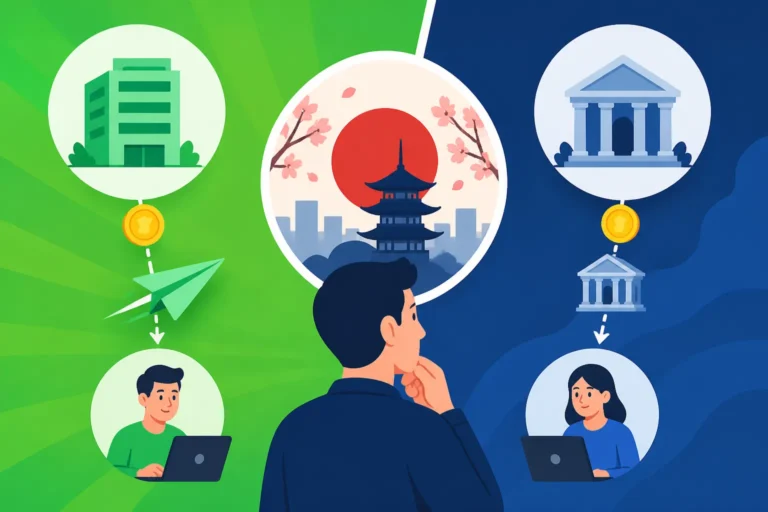
Refundable vs Non-Refundable Rates in Japan: When the Discount Is Worth the Risk
Oh, the eternal dilemma when booking accommodation in Japan, isn't it? You're scrolling through endless charming ryokans or sleek city hotels, and then you see it: a significantly cheaper rate, but with the dreaded "non-refundable" tag. It’s a moment of truth, a little gamble we all consider. This guide is here to walk you through that decision, helping you weigh the savings against the potential headaches, especially when you’re navigating booking platforms like Agoda.
Disclosure: This post may contain affiliate links. We may earn a commission at no extra cost to you if you make a purchase through these links. Read full disclosure.
The Allure of Non-Refundable Rates: Why They Tempt Us
Let's be honest, that tempting discount on non-refundable rates can be hard to ignore. It feels like a secret handshake into a world of savings, especially when planning a trip to Japan where costs can add up quickly. It's not just about being frugal; it's about feeling like you've outsmarted the system, snagged a deal that others missed.
The Immediate Savings: Crunching the Numbers
The most obvious draw of a non-refundable rate is the price tag. Hotels often offer a noticeable discount – sometimes 10%, 20%, or even more – compared to their flexible counterparts. For a traveler planning a longer stay or booking multiple accommodations across Japan, these savings can quickly accumulate into a substantial amount. Imagine saving enough on accommodation to splurge on a fancy Kaiseki dinner in Kyoto or a private tour of a historic temple. This immediate financial benefit is a powerful motivator, especially for budget-conscious explorers or those trying to maximize their yen. It’s a very real reduction in your overall travel costs, directly impacting your bottom line and freeing up funds for experiences.
Hotels' Perspective: Why They Offer Them
From the hotel's side, offering non-refundable rates is a strategic move, not just a random discount. It provides them with a guaranteed revenue stream, reducing the financial risk associated with last-minute cancellations. Think about it: every empty room is a missed opportunity, and a non-refundable booking secures that income regardless of changes in a guest's plans. This allows hotels to better forecast their occupancy and manage their inventory more efficiently. It minimizes administrative burdens too, as they don't have to process as many cancellations or re-book rooms at the eleventh hour. For a business, predictability is gold, and non-refundable bookings provide just that.
The Psychological Hook: Feeling Smart About a "Deal"
Beyond the tangible savings, there's a certain psychological satisfaction that comes with booking a non-refundable rate. It taps into our desire for a good deal, making us feel savvy and smart for finding and committing to a lower price. It's like finding a limited-edition item on sale – you feel privileged. This feeling of having secured a bargain can be a powerful emotional reward, reinforcing the decision to forgo flexibility. It also creates a sense of commitment, subtly encouraging us to stick to our plans, even if a tiny voice whispers about potential changes. When you're browsing on platforms like Agoda, these "deals" are often highlighted, making them even more tempting.
Understanding Refundable Rates: The Price of Peace of Mind
On the flip side, we have refundable rates, which, while seemingly less exciting due to their higher price, offer an invaluable commodity: peace of mind. For many expats living in Japan or tourists with complex itineraries, this flexibility can be worth every extra yen. It’s about more than just money; it’s about reducing stress and having options when life throws a curveball.
What "Refundable" Really Means: Terms and Conditions
It's crucial to understand that "refundable" isn't a blanket term for absolute freedom. While it offers significantly more flexibility than its non-refundable counterpart, there are almost always specific terms and conditions attached. For instance, many bookings allow "free cancellation" up to 24 or 48 hours before your scheduled check-in time. Beyond that window, you might only get a partial refund, or sometimes no refund at all, depending on the hotel's policy. Some properties might offer a credit for future stays instead of a cash refund. When you're making your reservation through a platform like Agoda, these specific cancellation policies are generally clearly outlined, so always, always read the fine print before clicking that final button. Don't assume; verify.
The Cost of Flexibility: The Premium You Pay
So, why do refundable rates cost more? Simply put, you're paying a premium for the hotel to absorb the risk of your potential cancellation. If you cancel, they might lose out on revenue for that room if they can't re-book it in time. The higher price covers this potential loss and the administrative effort involved in managing flexible bookings. Think of it as an insurance policy for your travel plans. While it might seem like an unnecessary expense when everything feels certain, that extra cost is an investment in your mental well-being and financial safety net. It frees you from the worry of losing a significant chunk of money if unexpected events disrupt your trip. This becomes particularly relevant in a country like Japan where travel plans might involve complex train routes or multiple destinations. How to Use Japan’s Train System (Local, Limited Express, Shinkansen) is a great read for understanding those complexities.
Common Refundable Policies to Look For
When you're searching for accommodation, especially on user-friendly platforms like Agoda, pay close attention to the specific refundable policies. "Free Cancellation" is often the holy grail, meaning you can cancel without any penalty up to a specified date or time. Another popular option is "Pay at Property," which gives you maximum flexibility as you don't fork over any money until you arrive, minimizing your upfront financial commitment. Be aware of policies that mention "partial refunds" or offer "hotel credit" instead of cash; these might not be as flexible as a full refund. Always ensure the policy aligns with your personal risk tolerance and the likelihood of your plans changing. Knowing these distinctions can save you a lot of grief down the road.
When to Risk It: Scenarios Where Non-Refundable Makes Sense
Sometimes, that tempting non-refundable rate truly is the smarter choice. It's not always about taking a wild gamble; it's about assessing your situation and understanding when the odds are in your favor. For those times when your plans are as solid as Mount Fuji, why not reap the financial rewards?
Fixed Plans and Unwavering Itineraries
If your travel dates and itinerary are set in stone and genuinely unlikely to change, then a non-refundable rate is a fantastic way to save money. This often applies to business travelers with confirmed meeting schedules, or individuals attending a specific, non-transferable event like a concert, sports match, or conference in Japan. If you've already bought your Shinkansen Tickets: Booking, Seat Types, and Luggage Rules and planned every single detail with no wiggle room, then the risk diminishes significantly. Solo travelers, especially, might find themselves in this category, as they usually only need to consider their own schedule and commitments. If there are fewer variables, there's less to worry about.
Last-Minute, Low-Risk Bookings
Another excellent scenario for non-refundable rates is when you're booking very close to your check-in date, perhaps a day or two in advance. At this point, you're likely already on your trip in Japan, or your plans are so immediate that any major disruption would have already occurred or would be too late to impact the booking anyway. For short stays, such as a one-night stopover in a city like Osaka or Fukuoka, the risk associated with a non-refundable rate is minimal. You've essentially confirmed your arrival by being in the vicinity, and the chances of an unforeseen event derailing that single night's stay are quite low. You’ve already made it this far, so why not save a bit more?
Travel Insurance as a Safety Net
Here's where it gets interesting: comprehensive travel insurance can act as a bridge between the cost savings of non-refundable rates and the peace of mind of refundable ones. If you have robust travel insurance that covers trip cancellations due to illness, injury, family emergencies, or other specified unforeseen events, then a non-refundable booking becomes far less risky. In essence, your travel insurance turns a non-refundable booking into a conditionally refundable one for covered reasons. Always check the specific terms of your policy, including what events are covered and the claims process. Many expats and digital nomads opt for strong travel insurance plans from providers like SafetyWing or Cigna Global precisely for this flexibility. It means you can often secure those sweeter deals on Agoda knowing you have a backup plan. For more detailed insights, you might want to look into Travel Insurance for Japan Trips: What to Check.
When Not to Risk It: Protecting Yourself from the Unexpected
While non-refundable rates can save you money, there are plenty of situations where that "deal" could turn into a costly mistake. It's about weighing potential losses against the upfront savings. Sometimes, paying a little more for flexibility is the smartest investment you can make, especially when life in Japan (or getting here) can be full of unknowns.
Unpredictable Travel Schedules and Group Bookings
If your travel plans are subject to change, even subtly, opting for a refundable rate is almost always the wiser choice. This is especially true for family trips, where a child's sudden illness, school schedule changes, or unexpected events can throw everything off course. Coordinating travel for a large group also inherently comes with more variables; one person's unexpected issue can cascade and impact everyone's itinerary. For those on work visas in Japan whose professional schedules might shift due to project timelines, client demands, or even just the notoriously long working hours, flexibility is paramount. Losing a few extra thousand yen is far better than losing a substantial non-refundable payment for an entire group or a week-long stay.
Visa Uncertainties and Immigration Delays
For foreigners coming to or residing in Japan, visa and immigration processes are often a source of anxiety and unpredictability. If you're waiting for a visa approval, a renewal of your residence card (like the new Tokutei Zairyu Card), or simply navigating the bureaucracy, your travel dates might not be entirely in your hands. Imagine booking a non-refundable hotel for your arrival only to have your visa delayed by a week! It happens. The last thing you need during an already stressful immigration period is the added financial strain of lost accommodation costs. Until your visa is firmly in hand and your immigration status is secured, sticking to refundable options for your initial stay or any significant travel within Japan is a smart move. This also applies if you're exploring longer-term residency, so understanding processes like Visa Application Timeline: How Early to Apply & Processing Times (Japan) is essential. Don't let a "deal" on Agoda compromise your immigration journey.
Health Concerns and Emergency Situations
Life is unpredictable, and health is one of the biggest variables. A sudden illness, an unexpected accident, or an emergency back home could easily force you to alter or cancel your travel plans to or within Japan. While travel insurance helps, it's not a magic bullet, and the claims process can take time. Having a refundable booking provides immediate peace of mind, knowing that if you or a family member falls ill (which, let's face it, is always a concern, especially when dealing with new environments and allergies like those covered in Surviving Japan’s Allergy Season: Health Tips for Expats), you won't be out of pocket for your accommodation. This is particularly relevant if you're traveling with elderly relatives or young children who are more susceptible to unexpected health issues. Having to navigate Navigating Emergency Medical Services in Japan (Dial 119, ER Tips) is stressful enough without adding financial worries.
Natural Disasters and Unexpected Events
Japan is a country of incredible beauty, but it's also prone to natural phenomena like typhoons and earthquakes. While most trips proceed without a hitch, these events can, and sometimes do, cause significant disruptions to travel infrastructure, including flight cancellations and train delays. If your non-refundable hotel is suddenly unreachable due to a typhoon, you might be stuck without recourse. The flexible cancellation policies of refundable rates offer a buffer against these unpredictable forces of nature. Although rare, a major earthquake could also disrupt plans, making local travel suddenly impossible. Understanding Earthquake Safety in Japan: Preparing a Home Emergency Kit for your home is one thing, but planning for travel disruptions is another entirely. If you're traveling during typhoon season, for example, which is often detailed in guides like Typhoon Season in Japan: Home Preparation and Safety Tips for Expats, the added cost of a refundable room is a sensible precaution.
Making the Right Choice for Your Japan Trip
Deciding between refundable and non-refundable rates really boils down to your personal risk tolerance and the specific circumstances of your trip. There's no one-size-fits-all answer, but by carefully evaluating the factors above, you can make an informed decision that saves you money without causing undue stress.
The Balancing Act: Weighing Cost vs. Certainty
Ultimately, this decision is a balancing act. How much are you willing to pay for the certainty of being able to change your plans? How confident are you that your travel dates, health, and external circumstances won't shift? For a short, solo business trip where every detail is locked in, that non-refundable discount on Agoda might be a no-brainer. For a complex family vacation spanning multiple prefectures or a trip where your visa status is still pending, the slightly higher cost of a refundable booking could be the best investment in peace of mind.
| Feature | Non-Refundable Rate | Refundable Rate |
|---|---|---|
| Cost | Generally lower, often with significant discounts | Generally higher, a premium for flexibility |
| Flexibility | Extremely limited or non-existent once booked | High, allows changes/cancellations within terms |
| Risk Factor | Higher risk of losing money if plans change | Lower risk, financial safety net |
| Best For | Fixed plans, last-minute bookings, business travel | Unpredictable schedules, group travel, visa pending, health concerns |
| Peace of Mind | Lower, especially if plans are uncertain | Higher, reduces stress about unforeseen events |
| Travel Insurance | Highly recommended to mitigate risks | Less critical, but still a good idea |
Always Read the Fine Print (Especially on Agoda)
This cannot be stressed enough: whether you choose a refundable or non-refundable option, always, always read the specific terms and conditions before you confirm your booking. Each hotel and booking platform, like Agoda, will have its own nuances regarding cancellation deadlines, refund percentages, and any fees involved. Don't assume that "free cancellation" means up to the moment you check in; it almost always has a cutoff time. Understanding these details upfront will prevent any nasty surprises later.
Consider Travel Insurance Seriously
Even with refundable bookings, travel insurance is a smart consideration for any trip to Japan. It covers so much more than just accommodation cancellations – medical emergencies, lost luggage, trip interruptions, and more. When combined with a non-refundable hotel booking, it effectively mitigates a large portion of the risk, giving you the best of both worlds: savings upfront and protection if things go sideways. Think of it as an umbrella for your entire trip, not just your hotel room. It's a foundational piece of any Moving to Japan Checklist 2026 – Everything You Need to Do.
When you're ready to make your booking, head over to Agoda. Their platform often makes it easy to compare refundable and non-refundable rates side-by-side, along with their specific terms. Take a moment to consider your situation, your comfort with risk, and the nature of your trip to Japan. A little foresight now can save you a lot of stress (and money!) later. Find your perfect stay, with or without flexibility, on Agoda's extensive platform today!
Disclaimer
This article is for general informational purposes only and does not constitute professional advice. Laws, prices and regulations vary by location and change over time. Consult a qualified professional for guidance on your specific situation.