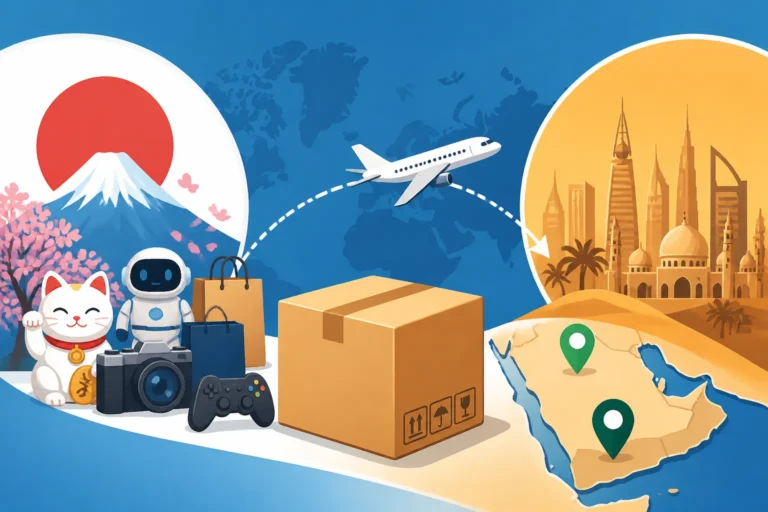
How to Save Money on Japan Proxy Shipping
Let’s be honest, the thrill of finding that rare Japanese collectible, the perfect piece of unique J-fashion, or those elusive beauty products online can quickly turn into dread when you see the international shipping cost. It’s a gut punch, isn't it? We’ve all been there, staring at a shopping cart filled with treasures, only to realize the shipping might cost more than the items themselves. This guide is here to walk you through the labyrinth of Japan proxy shipping and, more importantly, how to reclaim your wallet from those exorbitant fees.
Disclosure: This post may contain affiliate links. We may earn a commission at no extra cost to you if you make a purchase through these links. Read full disclosure.
Unpacking the Real Costs of Proxy Shipping
When you're dealing with proxy services in Japan, it's not just about the weight of your item and the distance it travels. Oh no, it's a whole ecosystem of charges that can sneak up on you if you're not paying attention. It can feel like you're playing a game with hidden rules, and trust me, as an expat who's shipped more boxes than I care to admit, I get how frustrating it can be.
Beyond the Base Shipping Rate: Hidden Fees and Charges
The sticker price for shipping is rarely the final price. You might see a flat rate for EMS or DHL, but that's just the tip of the iceberg. Many proxy services, while incredibly helpful, have their own set of fees that stack up. For instance, some platforms might charge a "service fee" for each item purchased or a percentage of the total item value. Then there are payment processing fees if you’re using a credit card or a specific payment gateway, which can be a small percentage but adds up on larger orders.
Think about it: you’ve found a fantastic deal on a limited-edition figure on a Japanese online marketplace, and the item itself is cheap. But then, there's the proxy service fee for handling the purchase, a domestic shipping fee from the seller to the proxy warehouse, and then the international shipping fee. Suddenly, your "deal" isn't quite as sweet. Understanding these layers is the first step to truly saving money. This is where researching different services is crucial; some, like ZenMarket, are known for their clear, upfront fee structures, while others might have more nuanced charges.
The Dreaded Dimensional Weight and Packaging Woes
Japan takes packaging seriously – almost too seriously for our wallets sometimes. While it’s wonderful to receive items impeccably protected, all that extra padding, air pillows, and sturdy boxes add to the weight and, crucially, the volume of your package. Shipping companies often charge based on what's called "dimensional weight" (or volumetric weight), which takes into account the package's length, width, and height, not just its actual weight. If a package is large but light, you might be charged for the space it takes up in the cargo hold, not its true mass.
Imagine buying a few lightweight but bulky items, like plush toys or a large art book. The actual weight might be minimal, but the box size required to protect them can make the shipping cost skyrocket due to dimensional weight. This is a common frustration for anyone trying to ship items from Japan. It’s not just about the cost of the packaging materials themselves, but how their size impacts the final shipping calculation. This is why some proxy services offer options for "light packing" or removing original packaging, which can be a game-changer if your item isn't fragile.
Smart Strategies for Choosing Your Proxy and Consolidating Shipments
One of the biggest levers you have for cutting down shipping costs lies in how you shop and who you choose to facilitate it. It's not a one-size-fits-all game; different proxy services excel at different things, and your shopping habits should inform your choice.
Comparing Proxy Services and Their Fee Structures
Not all proxy services are created equal, especially when it comes to fees. Before you even start browsing, do your homework. Some services have a flat fee per item, others a percentage, and some charge for every little extra, like photo requests or insurance. You'll often find popular services like Buyee offer a wide range of features and partner with many Japanese retailers and auction sites, making them incredibly convenient. However, that convenience can sometimes come with a more complex fee structure that includes optional add-ons for things like protective packaging, parcel monitoring, or insurance.
On the other hand, a service like ZenMarket prides itself on a simple 500 yen per-item service fee, regardless of the item's price. This can be fantastic for high-value items where a percentage-based fee would be astronomical. For those buying multiple cheaper items, this 500 yen per item can add up quickly, so you need to weigh your options. It's truly about matching the service to your shopping basket. Take the time to compare their transparent fee breakdowns, not just the advertised international shipping rates. These services also often have different partnerships for shipping carriers, which can impact the rates they offer for EMS, DHL, or even slower, more affordable options like surface mail. Knowing your options here can save you a significant amount over time. For more general advice on navigating the selection, check out our guide on Best Japan Proxy Shopping Services Compared.
Maximizing Savings Through Package Consolidation
This is arguably the single most effective way to save money on international shipping when using a proxy. Instead of shipping each individual item you buy from different sellers or different stores separately, package consolidation allows you to combine multiple items into one larger box. This drastically reduces the per-item shipping cost because you're paying one base rate and often benefit from economies of scale. Think about it: sending one large box is almost always cheaper than sending ten small boxes, even if the total weight is the same.
Most proxy services, including Buyee and ZenMarket, offer this as a standard feature, though there might be a small fee per consolidation request. For instance, if you buy three figures from different Mercari sellers and two manga volumes from a Yahoo Auctions vendor, you can have all five items sent to the proxy warehouse, then request them to be combined into a single, optimized package before being shipped internationally. This means fewer tracking numbers to worry about, and more importantly, a much lower total shipping bill. Just remember that consolidation might take a few extra days, as the warehouse staff need to physically combine and re-package your items, but the wait is almost always worth the savings. If you’re unclear on the mechanics of this, our article on How Package Consolidation Saves You Money provides a detailed breakdown.
Mastering the Art of International Parcel Optimization
Once you've chosen your proxy service and gathered your items, the final step before hitting that "ship" button is optimizing your parcel. This is where shrewd decisions can shave off significant yen.
Choosing the Right Shipping Method for Your Needs and Budget
This is where the rubber meets the road. Japan offers a variety of international shipping methods, each with its own balance of speed, cost, and reliability. There’s no single "cheapest" option; it always depends on your priorities.
- EMS (Express Mail Service): This is generally the fastest and most reliable option offered by Japan Post. It comes with tracking and insurance, usually arriving within 3-7 business days. It's great for urgent items or valuable goods where you want peace of mind, but it's also on the pricier side.
- DHL/FedEx: These private carriers often provide even faster service than EMS, sometimes delivering in as little as 2-3 days, especially to major international hubs. They are fantastic for extremely time-sensitive or high-value shipments, but they often come with the highest price tag and can sometimes incur higher customs brokerage fees.
- Airmail (Small Packet/Registered Airmail): A more affordable option than EMS for lighter packages (often under 2kg). It's slower than EMS (1-2 weeks typically) but still reasonable. Registered Airmail adds tracking and basic insurance. This is a sweet spot for many budget-conscious shoppers with non-urgent, smaller items.
- Surface Mail (Boat Mail): This is by far the cheapest option. If you're not in a hurry, and I mean really not in a hurry, this is your go-to. Packages can take anywhere from 1 to 3 months (or even longer during peak seasons) to arrive. It's perfect for heavy, non-urgent items like books, figures in their original bulky packaging, or anything where patience is a virtue. The cost difference can be staggering, making it worth the wait for many.
Shipping Method Comparison
| Shipping Method | Speed (Approx.) | Cost (Relative) | Tracking & Insurance | Best For | Cons |
|---|---|---|---|---|---|
| EMS | 3-7 days | High | Yes | Urgent, valuable items | Expensive, susceptible to customs delays |
| DHL/FedEx | 2-5 days | Very High | Yes | Very urgent, high-value, corporate shipments | Most expensive, potential high brokerage fees |
| Airmail | 1-2 weeks | Medium | Basic (Registered) | Lighter, non-urgent items | Limited weight, slower than EMS |
| Surface Mail | 1-3+ months | Very Low | Basic (optional) | Heavy, non-urgent, budget-friendly items | Very slow, minimal tracking, long wait |
Consider the value and urgency of your items. Is that vintage Pokémon card absolutely vital next week, or can you wait a month or two for that box of snacks? Our guide to Japan Shipping Methods Explained: EMS, DHL, FedEx, and Surface offers more detailed insights into each.
Optimizing Package Contents and Declaring Value Wisely
This is another area where a little foresight goes a long way. When consolidating, consider the mix of items. Putting a delicate ceramic alongside a heavy book might necessitate more protective packaging, increasing overall weight and volume. Try to group similar items. If you have a bunch of clothes, they can be compressed. If you have fragile goods, be prepared for more careful packing (and potentially higher costs). Some proxy services will offer options to remove extra packaging from items before shipping. For example, if you buy a brand new action figure, it often comes in a retail box inside another box. Removing that outer retail box can often significantly reduce the volumetric weight without compromising the inner product too much, especially if you opt for additional protective wrapping directly around the figure's primary box.
Regarding customs declarations, you'll need to declare the value of your items. It's crucial to be honest here. While declaring a lower value might reduce potential import duties in your home country, it also reduces the amount you can claim if the package is lost or damaged. Furthermore, customs officials can and do check values, and intentionally misdeclaring can lead to hefty fines, delays, or even seizure of your goods. Always declare the true value. For a deeper dive into customs regulations, you might find our article Customs Declarations for Japan Proxy Orders Explained helpful. Always remember that each country has its own import thresholds and rules regarding Buying from Japan to the US: Shipping and Customs Guide or Buying from Japan to the UK: Customs and VAT Explained.
Long-Term Savings and Avoiding Pitfalls
Being a savvy proxy shopper isn't just about one-off savings; it's about developing habits and understanding the landscape for consistent, long-term financial benefits. It's like anything else in Japan, once you get the hang of the system, it becomes much easier.
Leveraging Sales, Campaigns, and Loyalty Programs
Keep an eye out for special offers from proxy services themselves. Buyee, for example, frequently runs shipping discount campaigns, sometimes offering a percentage off international shipping or a fixed discount on certain carriers. These can often coincide with major Japanese sales events like Golden Week, New Year's, or Black Friday equivalents. Timing your purchases around these campaigns can lead to substantial savings. Subscribing to their newsletters and following their social media accounts is a great way to stay informed about these fleeting opportunities.
Also, don't forget about loyalty programs, if available. Some services might offer points for purchases or shipping that can be redeemed later, giving you another layer of savings over time. Even if the discount seems small, every yen saved adds up, especially if you're a regular buyer of Japanese goods. And while not directly related to proxy shipping, being aware of wider financial strategies for expats, such as tips for How to Save Money in Japan: Coupons, Apps, and Loyalty Programs, can help you overall.
Understanding Prohibited Items and Insurance Realities
It's a bitter pill to swallow when you finally get your package consolidated, choose your shipping method, only to find out one of your items can't be shipped internationally. Believe me, I've seen it happen. Japan has strict rules, and so do international shipping carriers. Common prohibited items include aerosols, certain types of batteries (especially loose lithium-ion), perfumes, alcohol (some countries/carriers), certain foods, and even specific types of toys or replicas that could be mistaken for weapons. Always, always check the proxy service's prohibited items list and your country's import restrictions before purchasing. This will save you the headache and potential cost of having items discarded or returned. To avoid these issues, refer to our comprehensive guide on Prohibited and Restricted Items When Importing from Japan.
Regarding insurance, it’s a tricky balance. On one hand, it's an added cost. On the other, if a valuable item is lost or damaged, you’ll be kicking yourself for skipping it. Most proxy services offer optional insurance for a small fee, covering the declared value of your goods. For high-value or irreplaceable items, it's usually a no-brainer. For lower-value goods, you might decide to take the risk. Think about what you're comfortable losing. If you’re sending something genuinely precious, like a family heirloom or a rare piece of art, that insurance payment is a small price to pay for peace of mind. Remember that even with insurance, the claim process can be tedious, so it’s always better for a package to arrive safely in the first place.
The Impact of Yen Fluctuations and Payment Methods
For us expats living here, or anyone frequently buying from Japan, the fluctuating exchange rate of the Japanese Yen can significantly impact your total cost. A weaker yen means your foreign currency stretches further, making purchases and shipping cheaper. Conversely, a stronger yen means higher costs in your home currency. Keep an eye on the exchange rates. Sometimes, waiting a week or two can result in a noticeable saving on a large order.
Furthermore, how you pay matters. Using a traditional bank transfer or a credit card with high foreign transaction fees can add hidden costs. Services like Wise (formerly TransferWise) or Revolut often offer better exchange rates and lower fees for international payments, which can chip away at your total expenditure. When considering proxy services, inquire about their accepted payment methods and any associated fees. Every percentage point saved on currency conversion or transaction fees means more money in your pocket for your next Japanese treasure. For comprehensive financial advice, especially on currency and transfers, consider reading International Money Transfer Apps: Top Services for Expats in Japan.
Ultimately, saving money on Japan proxy shipping is about being informed, strategic, and a little bit patient. It's a learning curve, but once you master it, you'll be able to enjoy your Japanese finds without the nagging feeling that you overpaid for the journey.
Disclaimer
The information provided in this guide is for general informational purposes only and does not constitute financial, legal, or shipping advice. While we strive to keep the content up-to-date and accurate, policies, fees, and regulations (including those related to customs, shipping, and proxy services) are subject to change without notice. Always verify current terms and conditions directly with the relevant proxy service, shipping carrier, and your country's customs authority before making any decisions. We are not responsible for any losses or damages incurred from reliance on this information.