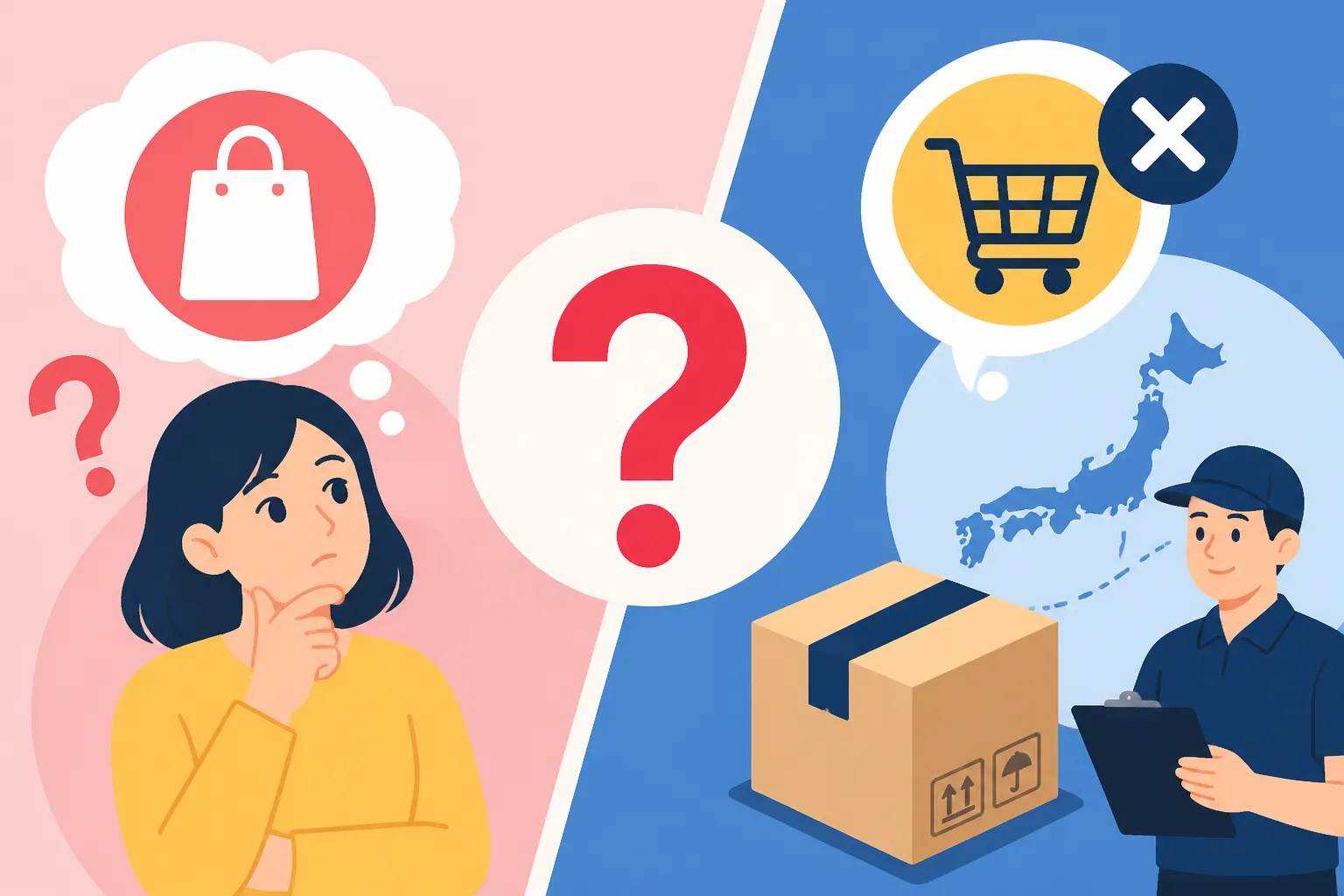
Do You Pay Japanese Consumption Tax When Buying via Proxy?
Let's be real, when you're looking to snag some fantastic items from Japan that don't ship overseas, diving into the world of proxy shopping is exciting! But then the hidden costs start creeping in, and one of the most common head-scratchers for expats and international buyers is the infamous Japanese consumption tax. You’re probably wondering, "Do I really have to pay that when the item is leaving the country anyway?" This guide will clear up that confusion and help you understand exactly how the consumption tax works when you're using a proxy service like Buyee or ZenMarket.
Disclosure: This post may contain affiliate links. We may earn a commission at no extra cost to you if you make a purchase through these links. Read full disclosure.
Understanding Japan's Consumption Tax (消費税 – Shōhizei)
Navigating taxes in any foreign country is a maze, and Japan is no exception. Before we talk about proxy services, let's get a handle on what the consumption tax actually is here.
What is Consumption Tax?
Simply put, Japan's consumption tax, known as shōhizei (消費税), is a sales tax applied to most goods and services purchased domestically within the country. As of my last check, this tax stands at a flat 10%. Think of it like VAT or GST in other countries. When you walk into any store in Tokyo, whether it's a convenience store, a department store, or an electronics shop, the price you see on the shelf for most items will either include this 10% tax, or it will be added at the register. There are a few exceptions, like certain food items, which may have a reduced rate of 8%, but for the vast majority of goods you'd be buying via proxy, it's the full 10%.
This tax is a fundamental part of doing business and purchasing anything in Japan. It helps fund public services, and it’s collected at every stage of the supply chain, though it’s ultimately borne by the final consumer. So, when a Japanese business sells something to anyone within Japan, they are generally obligated to collect and remit this 10% tax to the government. This distinction – "within Japan" – is crucial for understanding proxy services.
Who Pays Consumption Tax?
For a regular, direct purchase within Japan, everyone pays the consumption tax, regardless of their nationality or residency status. Whether you're a long-term expat like myself living in Osaka, a short-term tourist visiting Kyoto, or a Japanese citizen, that 10% is typically added to your bill at the point of sale. It's built into the retail price or clearly itemized.
However, where things get interesting and often confusing for foreigners is the "tax-free shopping" system. This system allows temporary visitors (tourists, essentially) to have the 10% consumption tax exempted or refunded on eligible purchases, provided they meet certain criteria – usually a minimum spending amount and the item being for personal use and taken out of the country. This is done at specific tax-free shops, often directly at the cashier or via an automated kiosk system at the airport, as will be more prevalent with the new The November 2026 Tax-Free Kiosk System: A Step-by-Step Airport Guide. The key here is "temporary visitor" and "direct purchase from an approved store."
This is where the distinction becomes critical. You, the international buyer sitting abroad, are not a "temporary visitor" making a direct purchase from a registered tax-free vendor in Japan when you use a proxy service.
The Nitty-Gritty of Proxy Shopping and Consumption Tax
Now, let's get to the heart of the matter for those of us who rely on proxy services to get our hands on those Japan-exclusive treasures.
Why Proxy Services Incur Consumption Tax: The 'Domestic Purchase' Aspect
Here’s the deal: when you use a proxy buying service like Buyee or ZenMarket, you're not actually buying directly from the Japanese seller yourself from abroad. What happens is that the proxy service acts as a domestic buyer on your behalf. They are a company or individual located in Japan that purchases the item within Japan from a Japanese store or individual seller.
Imagine it this way: you tell ZenMarket you want a specific vintage Nintendo game from a seller on Yahoo Auctions. ZenMarket, as a Japanese entity, then places the bid and purchases that game from the seller. For this transaction, it is a purely domestic sale happening inside Japan. The seller on Yahoo Auctions sells the item to ZenMarket, a Japanese company. Since this is a domestic transaction, the Japanese seller is obligated to charge consumption tax if they are a registered business or, in the case of a private seller, the listed price inherently accounts for the Japanese market's tax structure, even if not explicitly broken out.
Even if the item is eventually shipped internationally to your address, the initial purchase by the proxy service in Japan is a local one. Therefore, the 10% consumption tax applies to the item's price at that stage. This is a crucial distinction from direct tax-free shopping, which only applies when a qualified foreign tourist makes the purchase directly from a participating retailer and follows specific exit procedures. The proxy service, being a Japanese legal entity, cannot claim tax exemption on behalf of its overseas customers for these domestic purchases.
How It Appears on Your Bill
When you receive your breakdown of costs from services like Buyee or ZenMarket, you’ll typically see the consumption tax itemized quite clearly. It's usually a line item right after the item's base price.
For example, let's say you're buying a limited-edition figure from a Japanese online retailer through Buyee.
Here's a simplified breakdown you might see:
| Cost Component | Example Amount (JPY) | Notes |
|---|---|---|
| Item Price (from Seller) | 10,000 | The price of the product itself. |
| Japanese Consumption Tax | 1,000 | 10% of the item price (10,000 x 0.10). This is unavoidable for proxy buys. |
| Proxy Service Fee | 500 | Fee charged by Buyee/ZenMarket for their service. |
| Domestic Shipping Fee | 800 | Cost to ship from seller to proxy warehouse in Japan. |
| Subtotal (before int'l shipping) | 12,300 | This is what you pay upfront. |
| International Shipping Fee | Varies | This comes later, often higher than expected! See How to Estimate Shipping Costs from Japan. |
| Potential Import Duties/Taxes | Varies | These are charged by YOUR country upon arrival, separate from Japan tax. |
As you can see, that 1,000 JPY for the consumption tax is right there, adding to your total. It's part of the base price the proxy service pays, just like any other Japanese consumer would.
I’ve personally been caught off guard by this many times when I first started using proxy services years ago. You’re so focused on the item price and the international shipping that sometimes you forget that initial 10% hit. It's a small but significant addition that can really add up, especially on higher-value items. It’s important to factor this into your budget right from the start.
Can You Get a Refund for Consumption Tax?
In almost all cases, no, you cannot get a refund for the Japanese consumption tax when using a proxy buying service.
The reason for this goes back to the "domestic purchase" nature of the transaction. The proxy service buys the item as a Japanese resident from a Japanese seller. The conditions for tax-free shopping — primarily being a temporary visitor making a direct purchase — are not met. Once that transaction is complete and the tax has been paid, there’s no mechanism for the proxy service to claim it back on your behalf. They are not exporting the item from their own "tax-free store" inventory; they are simply fulfilling a domestic purchase request.
It's a bit of a bummer, I know. Especially when you see friends visiting Japan being able to get tax refunds on their purchases. But it's just how the system is structured when you're tapping into the domestic market through an intermediary. Don't fall for any promises from less reputable services that claim they can get you a consumption tax refund on these types of purchases; it's simply not how the Japanese tax system works for proxy transactions. Always refer to official government guides on tax-free shopping or trusted services like Buyee and ZenMarket for clarity on fees.
Strategies to Potentially Mitigate Costs (Though Not Avoid Consumption Tax Itself)
While you can't magically make the Japanese consumption tax disappear when using a proxy, there are smart ways to approach your shopping to lessen the overall financial impact. Think of it as strategic planning rather than outright avoidance.
Focusing on Used Goods and Private Sellers
One area where you might find a subtle difference, though not a direct tax saving, is when purchasing from private sellers on platforms like Mercari Japan or Yahoo Auctions. These individual sellers might not be registered businesses, and therefore, they don't explicitly add 10% consumption tax to their listed price in the same way a retail store does. The price they list is generally the final price they expect to receive.
However, keep in mind a few things:
- The market price still reflects the cost of living and doing business in Japan. Even if not itemized, the value of the item in the Japanese market is influenced by the tax structure.
- Proxy service fees still apply. These services still charge their own commission and domestic shipping fees.
- Condition and authenticity. Buying from private sellers can be a bit more of a gamble regarding item condition and authenticity. Always review seller ratings and descriptions thoroughly.
So, while you won't see a separate "consumption tax" line item from the seller, you're still paying the market price, which implicitly includes tax considerations. The real savings often come from finding better deals on used items compared to new retail prices, rather than avoiding the consumption tax itself. For more details, check out How to Buy from Mercari Japan from Overseas or How to Buy from Yahoo Auctions Japan.
Looking for International Sellers
Sometimes, the item you're looking for might actually be available from a Japanese seller who does offer direct international shipping. These are typically larger retailers with dedicated English-language global storefronts. In such cases, these retailers often process the sale as an export, meaning the Japanese consumption tax is either not charged at all or is immediately deducted from the price you see.
This is the ideal scenario for avoiding Japanese consumption tax, but it's not always an option, especially for unique, vintage, or limited-edition items found on domestic-only platforms. Always do a quick search to see if a direct international option exists before defaulting to a proxy service. However, remember that even with direct international shipping, you might still face Customs, Duties, and Import Taxes Explained from your own country when the package arrives. These are completely separate from Japan's consumption tax.
Consolidation and Smart Shipping Choices
While these strategies don't eliminate the consumption tax on the item itself, they are crucial for keeping your overall costs down when proxy shopping. Since the consumption tax is a fixed percentage of the item price, the more expensive your item, the more tax you'll pay. You can't change that, but you can control other variable costs.
- Package Consolidation: Most proxy services, including Buyee and ZenMarket, offer package consolidation. This means they'll hold multiple items you purchase and combine them into one larger box for international shipping. This drastically reduces international shipping fees compared to sending each item individually. Think about making a list of several items you want and then buying them all around the same time to consolidate. It’s a game-changer for saving money, as many expats find. For more details on this, check out How Package Consolidation Saves You Money.
- Choosing the Right Shipping Method: International shipping can be surprisingly expensive from Japan. Services like EMS, DHL, FedEx, and even slower options like Surface Mail, all have different price points and delivery times. Evaluate your needs and budget. If you're not in a rush, surface mail can save you a bundle, though it takes ages. If you need it fast, prepare to pay more. I've often seen expats complain about shipping costs, but a bit of research into Japan Shipping Methods Explained: EMS, DHL, FedEx, and Surface can help manage expectations.
By being savvy about consolidating packages and choosing cost-effective shipping methods, you can significantly reduce the total expense of your proxy purchase, even with the Japanese consumption tax included.
Wrapping It Up: The Inevitable Consumption Tax
So, to directly answer the burning question: yes, you will almost certainly pay Japanese consumption tax when buying items through a proxy service from Japan. This is because the proxy service, as a Japanese entity, makes a domestic purchase on your behalf. The 10% consumption tax applies to that initial transaction within Japan, even if the item eventually leaves the country. It's a fundamental part of the cost structure when leveraging proxy services to access the Japanese domestic market.
Don't let this deter you from exploring the fantastic world of Japanese goods! Understanding this upfront helps you budget realistically and avoid any unpleasant surprises when you see the final bill from your chosen proxy service. Focus on finding good deals on the items themselves, utilize consolidation options, and be smart about your international shipping choices. Happy proxy shopping!
Disclaimer
Please remember that I am an expat blogger, not a tax professional or legal advisor. The information provided in this article is based on my personal experience, general understanding of Japanese regulations as of 2026, and publicly available information from proxy services. Tax laws and regulations can change, and individual circumstances vary. Always consult with a qualified tax advisor or the official Japanese tax authorities (National Tax Agency) for the most accurate and up-to-date information pertaining to your specific situation.





