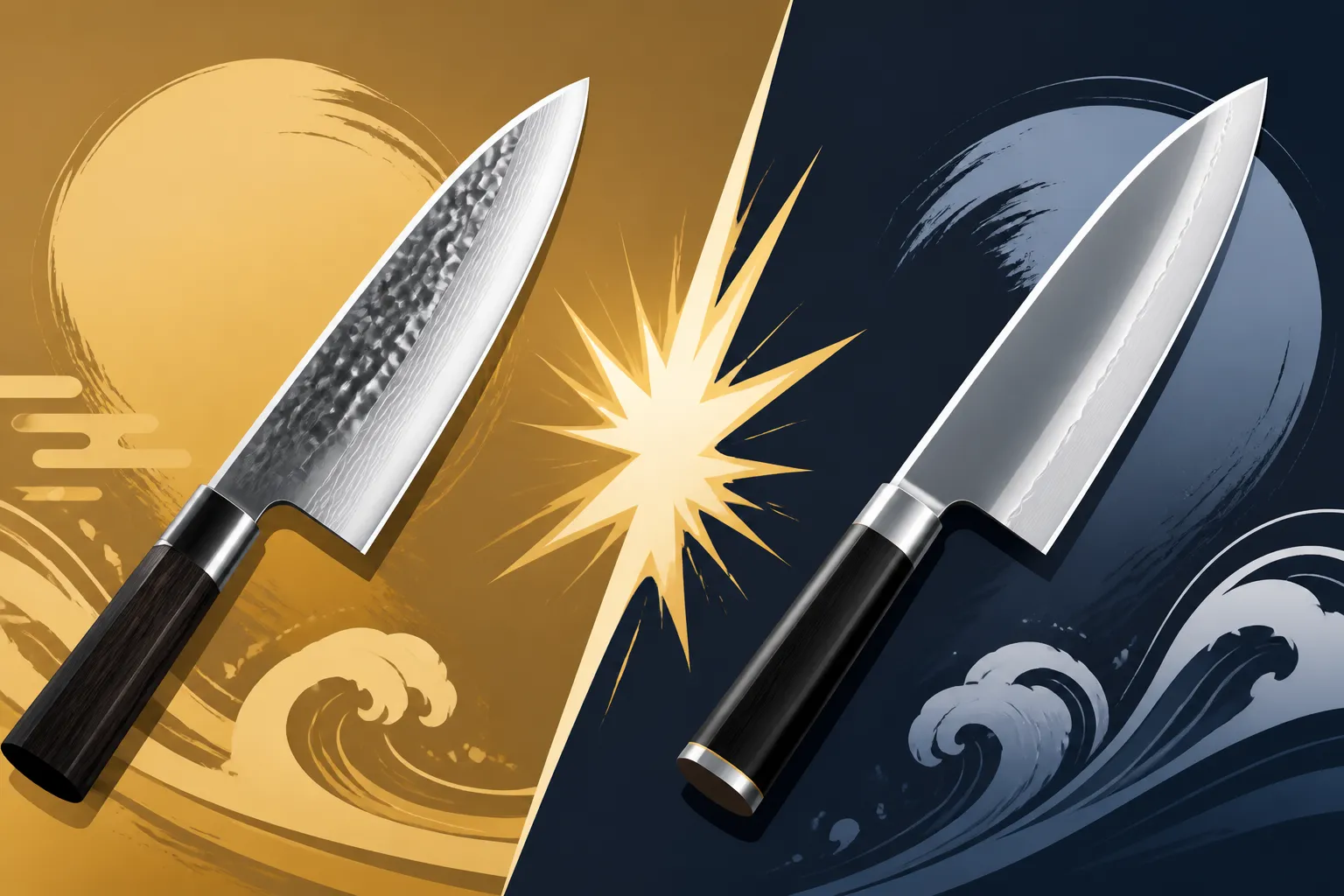
Kai Shun vs Kai Seki Magoroku
Navigating the world of Japanese kitchen knives can feel like a labyrinth, especially when you encounter a brand like Kai that offers multiple distinct lines. You're probably looking at the sleek, often revered Kai Shun series and then stumble upon the more accessible, yet still highly regarded, Kai Seki Magoroku range, and wonder: what's the real difference, and which one is genuinely worth your hard-earned yen? As an expat who’s spent years here wrestling with everything from baffling utility bills to deciphering knife steel compositions, I can tell you that understanding these nuances is key to making a purchase you won't regret. This guide is here to cut through the confusion and help you decide whether the premium craftsmanship of Shun or the reliable value of Seki Magoroku is the perfect fit for your Japanese kitchen adventures.
Understanding the Kai Brand Ecosystem
Let's be honest, finding a good kitchen knife is more than just picking something sharp. For many of us, it’s about investing in a tool that truly enhances our cooking experience, something that feels right in the hand and performs reliably, whether we’re slicing delicate sashimi or dicing stubborn root vegetables. The Kai Corporation, a Japanese cutlery giant, truly understands this diverse need, which is why they offer an impressive array of knife series. But it also means you're faced with choices that might seem overwhelming at first glance.
Disclosure: This post may contain affiliate links. We may earn a commission at no extra cost to you if you make a purchase through these links. Read full disclosure.
Kai's Legacy and Global Reach
Kai's story is a long and rich one, stretching back over a century to 1908 in Seki City, Japan's revered knife-making hub. From humble beginnings, they've grown into a global powerhouse, producing everything from razors and medical instruments to, of course, a dazzling range of kitchen knives. Their commitment to quality and innovation has allowed them to penetrate markets worldwide, establishing a reputation for Japanese precision and durability. You'll find Kai products everywhere, from your local Japanese supermarket to high-end culinary stores in London or New York. This broad presence isn't an accident; it's the result of consistently delivering reliable, well-engineered products. They’re not just making knives; they’re upholding a tradition while simultaneously pushing boundaries with new materials and designs. It’s this deep heritage, coupled with a forward-thinking approach, that gives their brands, including Shun and Seki Magoroku, such a solid foundation.
The Philosophy Behind Kai's Diverse Brands
Why does one company need so many knife lines? It’s not about diluting their brand; it's about intelligent market segmentation. Kai understands that a professional chef in a Michelin-starred Tokyo restaurant has vastly different needs, expectations, and budgets than a home cook experimenting with Japanese cuisine in their tiny Shibuya apartment. Each Kai brand is meticulously designed to cater to a specific segment of the market, ensuring that there’s a Kai knife for virtually everyone. This means different steel types, different handle materials, varying levels of finishing, and, naturally, different price points. Shun, for instance, aims for the pinnacle of culinary artistry, appealing to those who demand exceptional performance and exquisite aesthetics. Seki Magoroku, on the other hand, focuses on delivering solid performance and enduring value for everyday use. This strategic approach ensures that while all Kai knives benefit from the company's century-plus of expertise, they are each optimized for their intended user and purpose. It’s like how a car manufacturer might produce both a luxury sports car and a reliable family sedan under the same umbrella—different beasts for different needs, but both built with the company's core engineering prowess.
Deep Dive into Kai Shun Knives
Alright, let's talk about the rockstar of the Kai lineup: Shun. If you've spent any time researching Japanese knives, or even just ogling them in a fancy department store, you've almost certainly come across Shun. These aren't just knives; they're often considered pieces of culinary art, meticulously crafted to offer an unparalleled cutting experience.
Craftsmanship and Materials
When you pick up a Shun knife, you immediately feel the difference. The balance, the weight, the exquisite finish—it all screams premium. Shun knives are typically handcrafted in Seki City, Japan, by skilled artisans who combine traditional Japanese blade-making techniques with modern technology. The core steel is usually high-carbon stainless steel like VG-10 or the even more advanced VG-MAX. VG-10 is a cobalt-added stainless steel known for its exceptional hardness, allowing it to hold a razor-sharp edge for an incredibly long time. VG-MAX, often found in higher-end Shun lines, is an upgrade, offering increased carbon, chromium, and tungsten for even greater strength, edge retention, and corrosion resistance.
But it's not just the core steel that makes them special. Many Shun knives feature gorgeous Damascus cladding, where multiple layers of softer stainless steel are folded around the hard core. This isn't just for show (though it is incredibly beautiful); it provides a protective layer, enhances the blade's strength, and helps food release more easily. Imagine 32 layers of Damascus steel creating a stunning wave pattern on the blade, each ripple telling a story of precise forging. The handles are often D-shaped or ambidextrous PakkaWood, a resin-impregnated hardwood that is highly durable, moisture-resistant, and provides a comfortable, secure grip. The attention to detail is truly phenomenal, from the polished spine to the meticulously finished bolster. This level of detail is what sets them apart and justifies their position at the top of many chefs' wish lists. If you’re truly looking to upgrade your cooking tools, understanding your options, like whether to go for a specialized Gyuto: The Japanese Chef's Knife Explained or a versatile Santoku Knife: Uses, Sizing, and Buying Guide, within the Shun range can make a huge difference.
Target Audience and Price Point
So, who is Shun for? It’s for the serious cook, the culinary enthusiast, the professional chef, and anyone who views cooking as an art form rather than a chore. If you spend hours in the kitchen, value precision, and appreciate the tactile pleasure of using a perfectly crafted tool, Shun is designed for you. These knives are an investment, a tool that, with proper care, can last a lifetime and become an extension of your hand.
Naturally, this level of craftsmanship and premium materials comes with a price tag to match. Shun knives typically range from $100 to well over $300 for a single knife, with some specialty or limited-edition pieces fetching even higher sums. For an expat on a tight budget, this might seem prohibitive. However, consider it as buying a high-performance sports car versus a reliable sedan. Both get you where you need to go, but the experience is profoundly different. Many seasoned expats I know, after years of making do with mediocre knives, eventually save up for a single, exceptional Shun knife, often a versatile chef's knife, finding that it transforms their cooking. Places like Hocho-Knife often have excellent selections, and they can provide detailed information about each model. You can often find deals, but generally, expect to pay a premium for this caliber of cutlery.
Performance and Aesthetics
In terms of performance, Shun knives are legendary. Their extremely hard steel cores are sharpened to incredibly acute angles (often 16 degrees per side, compared to 20-25 degrees for most Western knives), resulting in an edge that slices through ingredients with minimal effort. Think of slicing a ripe tomato so thinly you can almost see through it, or breaking down a chicken without feeling any resistance. The edge retention is also superb, meaning you won't need to sharpen them constantly, though regular honing is recommended to maintain peak performance. For guidance on keeping that edge, check out our guide on How to Sharpen and Care for Japanese Knives: The Complete Guide.
Beyond their razor-sharp capabilities, Shun knives are undeniably beautiful. The layered Damascus patterns, the polished blades, and the rich PakkaWood handles make them a stunning addition to any kitchen. They are designed to be showcased, not hidden away in a drawer. The aesthetic appeal is a significant part of the Shun experience; owning one feels like owning a piece of functional art. They exude a sense of luxury and precision that elevates the entire cooking process.
Exploring Kai Seki Magoroku Knives
Now, let's turn our attention to the Kai Seki Magoroku series. This line is often seen as the workhorse of the Kai family, offering dependable performance and excellent value without the premium price tag of its Shun siblings. For many expats settling into Japan, especially those building a kitchen from scratch, Seki Magoroku knives are a fantastic starting point. They embody the essence of reliable, everyday Japanese cutlery.
Everyday Usability and Material Choices
Seki Magoroku knives are designed with the everyday home cook in mind. They are robust, easy to maintain, and come in a wide variety of shapes and sizes to tackle all sorts of kitchen tasks. While they don't feature the exotic, high-end steels of Shun, they still utilize quality Japanese stainless steels that offer a very respectable balance of sharpness, edge retention, and corrosion resistance. Common steels include Mo-V (Molybdenum-Vanadium) stainless steel, which is durable and resists rust well, and sometimes DSR1K6. These steels are still sharper and hold an edge better than many Western-style budget knives you might find in your home country.
The handles are typically made from more traditional materials like natural wood (often laminated for durability) or sturdy composite materials. While they might not have the same luxurious feel as Shun's PakkaWood, they are comfortable, ergonomically sound, and provide a secure grip even when wet. Think of them as reliable companions that are always ready for action, whether you're chopping mountains of vegetables for a weekly meal prep or quickly slicing up ingredients for tonight's dinner. They’re built to be used, day in and day out, without demanding excessive pampering. For those new to the nuances of blade composition, our guide on Understanding Japanese Knife Steel: A Beginner's Guide might be useful.
Target Audience and Value Proposition
The target audience for Kai Seki Magoroku is broad: home cooks, students, new expats, and anyone who wants a dependable, sharp knife without breaking the bank. If you're looking to stock your kitchen with quality Japanese knives but your budget doesn't stretch to Shun, Seki Magoroku is an ideal choice. It offers an authentic Japanese cutting experience at a fraction of the cost.
The value proposition here is undeniable. You're getting a knife crafted by a reputable Japanese manufacturer, benefiting from generations of cutlery-making knowledge, for a price that often rivals or even undercuts many mid-range Western knives. A single Kai Seki Magoroku knife can typically range from $30 to $100, making it an excellent entry point into the world of Japanese cutlery. For those of us who arrived in Japan and suddenly needed to buy everything for our new homes, the affordability of Seki Magoroku was a lifesaver. It allowed me to get good quality without feeling the pinch on my wallet right away. Many online retailers like Hocho-Knife and FN Sharp carry extensive Seki Magoroku selections, offering great options for expats who might not have easy access to Japanese hardware stores.
Practicality and Variety
One of the great strengths of the Seki Magoroku line is its sheer variety and practicality. You can find almost any knife shape imaginable within this series, from nimble paring knives to robust chef's knives, and specialty blades for fish or vegetables. This makes it incredibly easy to build a complete set that suits your cooking style without having to mix and match from different brands.
The knives are generally lighter than their Shun counterparts, which some cooks prefer for longer periods of use, reducing hand fatigue. They are also less demanding in terms of care, making them suitable for busy individuals who might not have the time or inclination for meticulous knife maintenance. While a Shun might require a certain reverence, a Seki Magoroku is more forgiving, ready to be put to work without ceremony. They're excellent for daily tasks and a brilliant choice if you're looking for a reliable, no-fuss blade that still offers superior sharpness compared to generic kitchen knives. If you're just starting your collection, exploring options like the Best Japanese Knives for Home Cooks can point you in the right direction, and Seki Magoroku will undoubtedly feature prominently.
Head-to-Head Comparison: Shun vs. Seki Magoroku
Now, let's get down to the brass tacks and compare these two giants directly. While both come from the same esteemed Kai Corporation, they serve different purposes and offer distinct experiences. This table provides a quick overview:
| Feature | Kai Shun | Kai Seki Magoroku |
|---|---|---|
| Core Steel | VG-10, VG-MAX (high-carbon stainless) | Mo-V stainless, DSR1K6 (mid-carbon stainless) |
| Hardness (HRC) | 60-61+ | 58-60 |
| Blade Construction | Damascus-clad (32+ layers), single/double bevel | Multi-layered or mono steel, double bevel |
| Edge Angle | Typically 16 degrees per side | Typically 15-18 degrees per side |
| Handle Material | PakkaWood (resin-impregnated wood) | Laminated wood, composite, or traditional wood |
| Aesthetics | Exquisite Damascus patterns, polished, premium finish | Clean, functional, practical finish |
| Price Point (Single Knife) | High ($100 – $300+) | Affordable ($30 – $100) |
| Target User | Professional chefs, serious home cooks, collectors | Everyday home cooks, budget-conscious users |
| Maintenance | Requires careful handling, regular honing, occasional sharpening | Easier to maintain, robust for daily use |
Steel Quality and Edge Retention
This is arguably the most significant differentiator. Shun utilizes premium steels like VG-10 and VG-MAX, which boast higher carbon content and additional alloys like cobalt and tungsten. This translates to superior hardness (60-61+ HRC), allowing Shun blades to be sharpened to incredibly acute angles and hold that razor-sharp edge for much longer. When you’re slicing through tough ingredients or performing delicate cuts, the effortless glide of a Shun knife is truly noticeable.
Seki Magoroku, while still excellent, uses more accessible stainless steels like Mo-V. These steels typically have a hardness of 58-60 HRC. They still achieve a very good edge and are a joy to use compared to generic kitchen knives, but they won't maintain their extreme sharpness for as long as a Shun. You might find yourself needing to hone or sharpen a Seki Magoroku a bit more frequently, especially with heavy use. However, their slightly softer steel makes them less prone to chipping, which can be a real concern with ultra-hard, thin-bladed Shun knives if not handled correctly. For a more detailed breakdown of these materials, you can refer to our article on Stainless vs Carbon Steel Japanese Knives: Which to Choose.
Handle Design and Ergonomics
Shun knives often feature D-shaped or ergonomic PakkaWood handles. These are designed for optimal comfort and control, feeling substantial and balanced in the hand. The D-shape, a traditional Japanese design, is particularly comfortable for right-handed users, though many Shun lines now offer ambidextrous designs. The PakkaWood is dense, water-resistant, and visually appealing, contributing to the knife's overall premium feel.
Seki Magoroku knives offer a wider variety of handle materials, from laminated wood to durable composite plastics. While some lines might feature traditional Japanese-style handles, many are designed with a more Western ergonomic feel. They are universally comfortable and provide a secure grip, but they might not possess the same refined tactile experience or visual richness as a Shun handle. Their focus is on practicality and ease of use, making them a solid choice for any home cook.
Maintenance and Durability
Maintenance is where the paths diverge somewhat significantly. A Shun knife, with its ultra-hard, thin blade and often delicate Damascus cladding, demands a certain level of respect and care. They are not dishwasher-safe – absolutely not! Hand washing and immediate drying are essential to prevent staining and corrosion. They also benefit from regular honing with a fine ceramic rod or strop to maintain their edge between sharpenings. While incredibly sharp, the harder steel can be more prone to micro-chipping if misused (e.g., cutting on hard surfaces like ceramic or bone, or twisting the blade). Many enthusiasts will send their Shun knives for professional sharpening or learn to use Japanese Whetstones themselves.
Seki Magoroku knives are generally more forgiving. While still not recommended for the dishwasher (it dulls the edge and can damage handles over time), they are less temperamental. The slightly softer steel means they're a bit more robust and less susceptible to chipping during everyday use. They're still sharp, but their edge can be maintained easily with a good honing rod and will take to sharpening well. For an expat who's balancing a busy life with cooking, the lower-maintenance nature of Seki Magoroku can be a huge plus. This makes them excellent for those seeking the Best Japanese Knives for Home Cooks, without the fuss.
Aesthetics and Presentation
Visually, Shun knives are masterpieces. The striking Damascus patterns, often complemented by highly polished blades and exquisite handles, make them stand out in any kitchen. They are designed to impress and to be admired. Owning a Shun knife is as much about the beauty of the tool as it is about its performance.
Seki Magoroku knives, by contrast, are more understated. Their aesthetics are clean, functional, and efficient. While some lines might have subtle designs, they generally prioritize practicality over ornate embellishment. They are attractive in their simplicity and speak to a tradition of reliable, no-nonsense tools. For many, this practical aesthetic is exactly what they're looking for—a knife that looks good and gets the job done without being overly flashy.
Which Kai Series is Right for You? A Practical Guide
Okay, you’ve seen the breakdown, heard the nitty-gritty details. Now comes the real question: which one should you choose? Many expats agonize over this exact decision. It really boils down to your cooking habits, your budget, and what you prioritize in your kitchen tools.
For the Aspiring Chef or Serious Home Cook
If your kitchen is your happy place, if you spend hours perfecting your knife skills, and if you genuinely appreciate the subtle nuances of a finely crafted blade, then Kai Shun is probably calling your name. These knives are designed for precision, effortless slicing, and a sublime cutting experience. They are an investment in your passion.
Consider Shun if:
- You prioritize peak performance: You want the sharpest edge, the best edge retention, and a knife that glides through ingredients like butter.
- You appreciate artistry: The aesthetic beauty of Damascus steel, polished handles, and meticulous craftsmanship appeals to you.
- You are willing to invest: You see your knife as a long-term tool that will enhance your cooking for years to come, even if it means a higher upfront cost.
- You're committed to proper care: You're prepared to hand wash, dry immediately, hone regularly, and occasionally sharpen your knife (or have it professionally sharpened).
- You already have basic knife skills: Shun knives are incredibly sharp and demand respect. They're not necessarily ideal for someone just learning to chop.
Think about it: when you're preparing a special meal, or just enjoying the meditative act of cooking after a long day at the office, a Shun knife can truly elevate that experience. It's not just cutting; it's a partnership between you and your tool. Many serious cooks start with one versatile Shun knife, like a Gyuto or Santoku, and then gradually expand their collection. You can find excellent quality and variety, for instance, at a reputable online shop like Hocho-Knife, which specializes in premium Japanese cutlery. If you're looking for the absolute best, and you understand the commitment involved, Shun will not disappoint.
For the Everyday Kitchen and Budget-Conscious Expat
For many of us, especially when first moving to Japan and setting up a new life, practicality and value are paramount. You want reliable tools that perform well without demanding a king's ransom or a complicated maintenance routine. This is where Kai Seki Magoroku shines brightest.
Choose Seki Magoroku if:
- You need reliable performance for daily cooking: You want a sharp knife that handles all your regular kitchen tasks efficiently.
- Value is a key factor: You're looking for excellent Japanese quality at an affordable price point.
- Ease of maintenance is important: You prefer a knife that's relatively forgiving and doesn't require constant, meticulous care.
- You're building your kitchen from scratch: Seki Magoroku allows you to get a full set of quality knives without a huge initial outlay.
- You're relatively new to Japanese knives: They offer a great introduction to Japanese knife performance without the worry of potentially damaging a very expensive, delicate blade.
I can't tell you how many expats, myself included, started their Japanese kitchen journey with Seki Magoroku knives. They're robust, they're sharp, and they tackle everything from cutting chicken to slicing vegetables for your daily bento box. They’re readily available in most Japanese department stores and online, including sites that cater to expats like FN Sharp. If you're looking for the Best Japanese Chef Knife Under $100, you'll find plenty of fantastic Seki Magoroku options. They're a sensible, reliable choice that will serve you well for years, letting you save your yen for other expat essentials (like that inevitable trip to a relaxing onsen!).
Finding Deals and Where to Buy
Regardless of whether you lean towards Shun or Seki Magoroku, knowing where to buy is half the battle. In Japan, you can find Kai knives in department stores like Tokyu Hands, Loft, and larger supermarkets. For a more specialized experience, visiting knife shops in areas like Tokyo's Kappabashi Street can be an eye-opening adventure, though you might need some Japanese language skills or a translation app. Many of these physical stores will have knowledgeable staff who can explain the differences firsthand. Our guide on Buying Japanese Knives in Tokyo: Best Shops could be a helpful resource.
Online, you have even more options. Reputable international retailers like Hocho-Knife and FN Sharp often carry a wide range of both Shun and Seki Magoroku, often with detailed product descriptions and international shipping options. Keep an eye out for seasonal sales or promotional events, as these can be great opportunities to snag a quality knife at a slightly reduced price. Remember that while the upfront cost might seem like a lot, a good knife is a long-term investment, and buying from a trusted source ensures you're getting an authentic, high-quality product. Also, if you’re concerned about the total cost when ordering from abroad, our guide on How to Buy Authentic Japanese Knives Online with Worldwide Shipping delves into shipping and customs.
In the end, choosing between Kai Shun and Kai Seki Magoroku isn't about one being "better" than the other in an absolute sense. It's about finding the knife that aligns with your needs, your budget, and your culinary aspirations here in Japan. Both lines carry the Kai legacy of quality, so no matter which you pick, you’re investing in a piece of Japanese craftsmanship that will undoubtedly enhance your cooking journey. Happy slicing!
Disclaimer
Please note that while I strive to provide accurate and up-to-date information, circumstances and regulations in Japan can change rapidly. Always cross-reference information with official sources or consult with local experts when making significant decisions related to your life as an expat. This guide is for informational purposes only and does not constitute professional advice.





