Giving Birth in Japan Without NHI: Maternity Costs and Insurance Reality Check
The thought of giving birth in a foreign country can be overwhelming enough, but add in the layer of navigating Japan’s healthcare system without the safety net of National Health Insurance (NHI), and it quickly becomes a source of immense stress and anxiety. For expats and long-term residents, NHI is almost a given, but what if you're a digital nomad, a tourist with an unexpected situation, or someone in a transitional period? The financial implications of maternity care without NHI can be staggering, but this guide is here to walk you through the realities, costs, and crucial insurance options available, making a seemingly impossible situation manageable.
Disclosure: This post may contain affiliate links. We may earn a commission at no extra cost to you if you make a purchase through these links. Read full disclosure.
The Harsh Reality: Why Giving Birth Without NHI is a Major Concern in Japan
Let's be blunt: Japan's healthcare system is fantastic if you're covered. But step outside that coverage, especially for something as significant as childbirth, and you're entering a financial minefield. It's not just about the delivery; it's a whole journey of prenatal care, potential complications, and postnatal support that adds up faster than you can say "yen."
The Mandate for NHI and Its Coverage: What You're Missing
First, it’s important to understand that if you're residing in Japan for more than three months, enrolling in Japan’s National Health Insurance (NHI) is generally mandatory. This isn't just a suggestion; it's a legal requirement. NHI is a cornerstone of Japanese society, designed to ensure everyone has access to affordable healthcare.
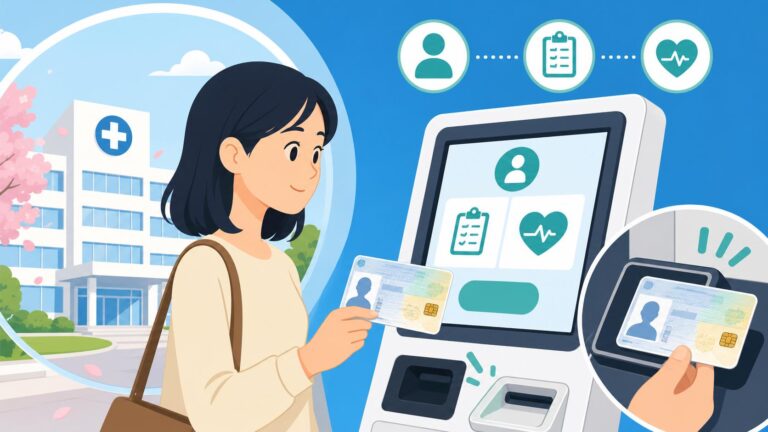
When it comes to maternity, NHI typically covers 70% of the cost of basic prenatal check-ups, doctor's visits, and any medically necessary treatments during pregnancy. The remaining 30% is your out-of-pocket co-pay. What's more, for the actual birth, the government offers a generous "Childbirth and Childcare Lump-Sum Grant" (出産育児一時金 – Shussan Ikuji Ichiji-kin), which currently stands at ¥500,000 as of April 2023 for a child born within Japan. This grant can often be directly applied to your hospital bill, significantly reducing your immediate financial burden. This is a massive relief for expecting parents. Without NHI, you lose access to both the 70% coverage on prenatal care and this substantial lump-sum grant, leaving you to bear the full brunt of all expenses. It's a critical point for anyone pondering their options. If you're wondering about the overall system, our guide on Japan’s National Health Insurance: What You Need to Know (2026 Guide) provides a much deeper dive into the specifics.
The Staggering Out-of-Pocket Costs: A Direct Hit to Your Wallet
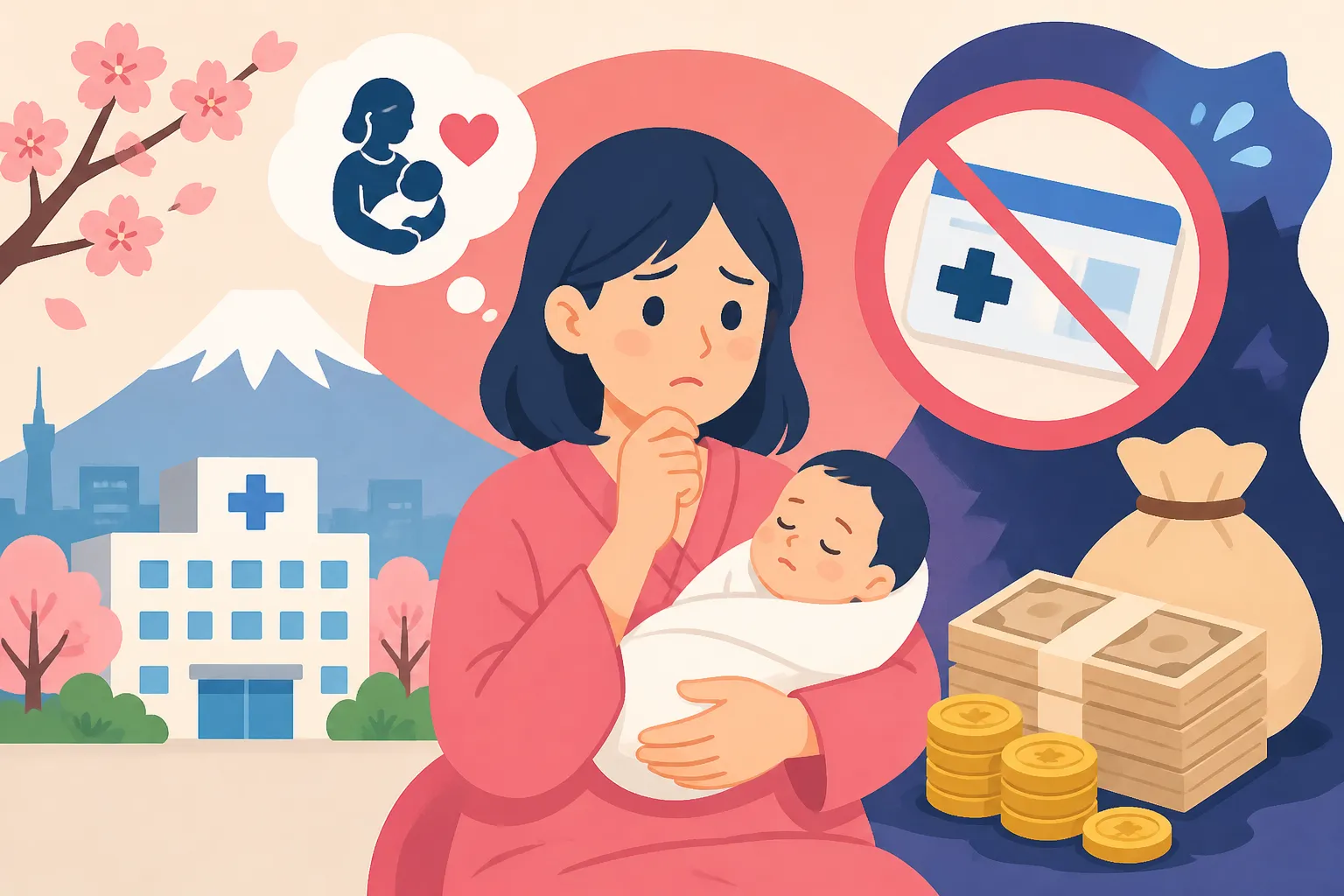
So, what does it actually mean to pay for everything yourself? It means you're looking at a bill that could easily range from ¥500,000 to well over ¥1,000,000 for a straightforward, uncomplicated vaginal delivery. And that's just for the birth and a standard hospital stay. If there are any complications, if you need an emergency C-section, or if the baby requires any special care, those numbers can easily double or even triple.
Consider the cumulative cost. Prenatal check-ups alone can run you ¥5,000 to ¥15,000 per visit, and you'll have more than a dozen of those over nine months, often increasing in frequency closer to your due date. Specialized tests, ultrasounds, and screenings add another layer of expense. Without NHI, every single one of those bills lands squarely in your lap. It’s enough to make even the most stoic expat break a sweat.
Navigating the Financial Labyrinth: Understanding Maternity Costs in Japan
Breaking down the costs can help paint a clearer picture, even if it's a daunting one. Transparency is key, and Japan's medical billing can sometimes feel like deciphering an ancient scroll, especially without Japanese language proficiency.
Prenatal Care Expenses: The Accumulating Bills
From the moment you confirm your pregnancy, the appointments begin. Initially, they might be once a month, but by the third trimester, you could be visiting the clinic weekly. Each visit usually includes a check-up, urine test, blood pressure, weight, and an ultrasound.
- Initial Consultations and Tests: Your very first visit will likely involve a blood test to confirm pregnancy, screen for various conditions, and determine blood type. This alone can cost upwards of ¥20,000-¥30,000.
- Routine Check-ups: Subsequent monthly visits, which include basic examinations and ultrasounds, typically range from ¥5,000-¥15,000 each. However, without NHI, you're paying full price for every single one. Multiply this by 10-15 visits over the course of your pregnancy, and you're easily looking at ¥50,000-¥200,000 just for standard check-ups.
- Specialized Screenings: Non-invasive prenatal testing (NIPT), detailed anomaly scans, or specific blood tests recommended due to age or risk factors can cost anywhere from ¥50,000 to ¥200,000 each. These are often not covered by NHI either, or only partially, so without any insurance, you're looking at the full fee.
It's a drip-feed of expenses that, while small individually, collectively create a substantial financial obligation long before the baby even arrives. For more general advice on navigating pregnancy as a foreigner, check out our Pregnancy and Childbirth in Japan: Guide for Foreign Parents.
Delivery and Hospital Stay Charges: The Big Ticket Items
This is where the costs truly escalate. The hospital stay for childbirth in Japan is typically longer than in many Western countries, often 4-6 days for a vaginal birth and 7-10 days for a C-section, reflecting Japan’s meticulous postnatal care practices.
- Basic Delivery Fee: This covers the labor room, the delivery itself, and the doctor's and nurses' fees. For a standard vaginal birth, expect this to be in the range of ¥400,000 to ¥700,000 without any insurance. This figure doesn't include epidurals (which are less common and often an extra charge in Japan), emergency interventions, or extended labor.
- Hospital Stay Fees: Beyond the delivery, there are daily room charges, meals (often elaborate kaiseki-style postpartum meals!), basic medications, and infant care. A private room, which many expats prefer, will add a significant premium. These daily rates can range from ¥10,000 to ¥50,000+, depending on the facility and room type. Over several days, this quickly amounts to another ¥100,000 to ¥300,000+.
- Childbirth Lump-Sum Grant (Absence of): As mentioned, the ¥500,000 grant from NHI is a huge financial buffer. Without NHI, you don't receive this, meaning the entire cost of the delivery and hospital stay falls to you. This is one of the most significant financial impacts of not having NHI.
Postnatal Care and Unexpected Complications: The Unforeseen Costs
It's easy to focus solely on the birth, but what happens after? And what if things don't go according to plan?
- Postnatal Check-ups: Both mother and baby will have follow-up appointments. Typically, the mother has a 1-month check-up, and the baby has 1-month and 3-month check-ups, often with vaccinations. These are standard medical visits and will be charged at full price without NHI.
- Emergency C-section: If a C-section becomes medically necessary, the costs dramatically increase due to surgery, longer hospital stay, and specialized care. An emergency C-section could add ¥300,000 to ¥600,000 or more to your bill.
- Neonatal Intensive Care Unit (NICU): Should your baby need specialized care, such as for prematurity or other health issues, NICU stays are incredibly expensive. These can easily run into millions of yen, making it the most significant financial risk.
- Other Complications: Postpartum hemorrhage, infections, or other health issues for the mother can also lead to extended hospital stays and further medical procedures, all at full cost. Our guide on Navigating Emergency Medical Services in Japan (Dial 119, ER Tips) covers emergency protocols, which are good to know regardless of your insurance status.
Here's a simplified table illustrating the stark cost differences:
| Cost Category | Estimated Cost With NHI (Approx. 30% self-pay, with ¥500k grant offset) | Estimated Cost Without NHI (Full Cost, no grant offset) |
|---|---|---|
| Prenatal Care (15 visits) | ¥50,000 – ¥150,000 | ¥150,000 – ¥500,000 |
| Standard Delivery Fee | ~¥0 – ¥200,000 (after ¥500k grant application) | ¥500,000 – ¥800,000 |
| Hospital Stay (4-6 days) | Included in grant/delivery fee for basic room (some co-pay for upgrades) | ¥150,000 – ¥400,000 |
| Total Estimated (Vaginal Birth) | ¥50,000 – ¥350,000 | ¥800,000 – ¥1,700,000+ |
| Add for C-section | Additional ¥100,000 – ¥200,000 | Additional ¥300,000 – ¥600,000+ |
| Add for NICU/Complications | Potentially millions, 30% self-pay | Potentially millions, 100% self-pay |
Note: These are rough estimates and can vary significantly based on hospital, region, type of care, and individual circumstances.
The Lifeline: Private International Health Insurance for Maternity
Given the astronomical costs outlined above, relying solely on your savings when giving birth without NHI in Japan is an incredibly risky gamble. This is where a robust private international health insurance policy becomes not just an option, but an absolute necessity.
The Imperative for Comprehensive Coverage
Standard travel insurance, the kind you might get for a two-week vacation, almost never covers maternity care, especially if the pregnancy is pre-existing or occurs during your trip. What you need is an international health insurance plan that explicitly includes comprehensive maternity benefits. This type of insurance is designed for expats, digital nomads, and individuals living abroad long-term who might not be eligible for or choose not to use national health systems.
It’s crucial to understand that even with private insurance, there will almost certainly be a waiting period for maternity coverage. This means you can't just buy a policy when you find out you're pregnant and expect it to cover the birth in a few months. Most policies require you to have been covered for 10 to 12 months before the birth for maternity benefits to kick in. This highlights the importance of proactive planning.
Why SafetyWing is a Game-Changer for Expats
When we talk about flexible, expat-friendly international health insurance that truly understands the unique needs of those living a more transient lifestyle, SafetyWing often comes to mind as a viable option. For digital nomads, remote workers, or those in Japan on shorter-term visas who don't qualify for NHI, SafetyWing offers plans that can be a genuine lifeline for maternity care.
SafetyWing provides comprehensive health insurance specifically designed for nomads and remote workers worldwide. Their Nomad Insurance and Remote Health plans offer maternity coverage, though critically, always check the specific policy details and waiting periods. Their Remote Health plan, for example, typically includes comprehensive maternity benefits after a 12-month waiting period, covering prenatal care, childbirth, and postnatal care. This means that if you're planning on starting a family in Japan, getting a plan like SafetyWing well in advance is paramount.
What makes SafetyWing particularly attractive is its flexibility and understanding of the expat lifestyle. You can manage your policy online, access medical care globally, and have the peace of mind that comes with a substantial financial safety net. Imagine facing a ¥1.5 million hospital bill for childbirth; having a policy like SafetyWing to absorb the majority of that cost can literally save you from financial ruin. They aim to make healthcare accessible, even in countries with high medical costs like Japan. If you're a self-employed expat in Japan, considering a plan like SafetyWing or other international options is a smart move, as local NHI can sometimes be complex for freelancers. You can learn more about broader options in Health Insurance for Self-Employed Expats in Japan.
Key Considerations When Choosing a Plan
While SafetyWing is an excellent option for many, it's not a one-size-fits-all solution. Here’s what you need to scrutinize in any private international health insurance policy:
- Maternity Waiting Period: As mentioned, this is the most critical factor. Do not assume immediate coverage. A typical waiting period is 10-12 months. Plan accordingly.
- Coverage Limits: Understand the maximum amount the policy will pay for maternity-related expenses. Does it cover just the delivery, or does it also include prenatal, postnatal, and potential complications? Some plans might have separate sub-limits for different aspects of maternity.
- Inpatient vs. Outpatient Coverage: Ensure prenatal check-ups (outpatient) are covered, not just the hospital stay and delivery (inpatient).
- Complications of Pregnancy: Verify that complications such as C-sections, premature birth, or other medical emergencies for mother or baby are covered, and to what extent.
- Direct Billing vs. Reimbursement: Some premium international plans, like those from Cigna Global, might offer direct billing with certain international hospitals in Japan, meaning they pay the hospital directly. Others, like SafetyWing, more commonly operate on a reimbursement basis, where you pay upfront and submit claims for reimbursement. While reimbursement is effective, it requires you to have sufficient funds available upfront. Knowing how to manage Claiming Health Insurance Reimbursements in Japan: A Guide for Foreigners is essential if you go this route.
- Network of Hospitals: Does the insurance provider have a network of hospitals in Japan? Are there English-speaking facilities within that network? This can greatly simplify the process of finding a suitable provider. For example, some plans might have affiliations with hospitals frequently used by expats. You can also look into Private Health Insurance and Clinics for Expats in Japan for more information on the types of facilities that cater to foreigners.
Practical Steps and Resources for Expectant Expats
Even with robust insurance like SafetyWing, having a plan and knowing where to turn for support is invaluable. Giving birth in a foreign country is a huge life event, and preparedness is your best friend.
Finding Foreigner-Friendly Hospitals and Clinics
One of the biggest hurdles for expats is the language barrier and the different medical culture. While many smaller clinics might not have English-speaking staff, major cities like Tokyo and Osaka boast several excellent hospitals with dedicated international patient services.
- International Hospitals: Look for hospitals known for their international departments. In Tokyo, facilities like St. Luke's International Hospital, Tokyo Medical and Surgical Clinic, or Aiiku Hospital are often recommended for their English support and experience with foreign patients. Similarly, in Osaka, hospitals like Yodogawa Christian Hospital are known for their international services. These hospitals often have staff who can assist with paperwork, translations, and cultural differences, which can be a huge relief. Our guide to Top 5 English-Speaking Hospitals in Tokyo (Foreigner-Friendly) might be a good starting point.
- Utilize Interpreters: If your chosen clinic or hospital doesn't have English-speaking staff, don't hesitate to arrange for an interpreter. Some medical facilities offer this service, or you can hire a private medical interpreter. Many expat communities also have volunteers who can assist. Learning some basic medical Japanese phrases can also be incredibly helpful for day-to-day interactions. You might find our tips on Communicating with Doctors: Language Tips for Non-Japanese Speakers useful.
- Expat Networks: Join local expat groups on social media or in person. These communities are a goldmine of information, offering recommendations for doctors, hospitals, and sharing personal experiences with maternity care in Japan.
Financial Planning and Contingency Funds
Even with comprehensive insurance from a provider like SafetyWing, it's wise to have an emergency fund.
- Budgeting: Clearly map out your expected prenatal, delivery, and postnatal costs based on the estimates provided. Factor in your insurance deductible and any co-pay percentages. Remember, even with SafetyWing or other private insurance, you might still have an out-of-pocket amount.
- Emergency Savings: Despite the best planning, unforeseen circumstances can arise. A higher-than-expected bill, complications not fully covered, or delays in reimbursement can put a strain on your finances. Aim to have at least ¥500,000 to ¥1,000,000 readily accessible for medical emergencies.
- Understanding Medical Bills: Japanese medical bills can be complex. Don't be afraid to ask for a detailed breakdown and clarification from the hospital's billing department. If possible, ask for an estimate of costs in advance, especially for the delivery itself. Knowing how to approach Understanding Japanese Medical Bills and Insurance Claims can save you a lot of grief.
Exploring Alternatives (If NHI is Really Not an Option)
While this guide focuses on not having NHI, it's essential to reiterate that for most individuals residing in Japan for over three months, NHI is mandatory. If you are legitimately in a situation where you truly cannot enroll in NHI (e.g., you're a very short-term visitor with an unexpected pregnancy, or on a special visa that doesn't grant NHI eligibility, though this is rare), then private international health insurance like SafetyWing is your absolute best and only financial protection.
Remember, the Japanese government is focused on ensuring everyone residing in the country has health coverage. Attempting to evade NHI enrollment if you're eligible could lead to back payments and penalties, making your situation even more complicated. However, for those on specific non-resident statuses, or digital nomads who are only permitted a short stay, having a robust international insurance plan like SafetyWing is the best way to ensure you're protected should the unexpected joy of a new baby arrive in Japan.
Disclaimer
The information provided in this article is for general guidance only and does not constitute professional medical, legal, or financial advice. Healthcare costs, insurance policies, and immigration regulations in Japan can change frequently. Always consult with a qualified healthcare provider, insurance specialist, and legal expert for advice tailored to your specific situation. Ensure you verify all insurance policy details, including waiting periods and coverage limits, directly with the provider before making any decisions.