Best Time of Year to Buy from Japan: A Sales Calendar
Ah, Japan. A land of endless wonders, fantastic shopping, and… a somewhat mysterious retail calendar, especially if you're used to Western sales seasons. If you've ever felt like you just missed a great deal, or wondered when the best time is to snag that must-have Japanese item, you're not alone. It can feel like a secret code, and for a long time, I certainly felt that way too. But don't worry, this guide is here to decode Japan's unique sales rhythms, helping you plan your purchases and save some serious yen, whether you're living here or shopping from overseas.
Disclosure: This post may contain affiliate links. We may earn a commission at no extra cost to you if you make a purchase through these links. Read full disclosure.
Understanding Japan's Retail Calendar
When you first arrive in Japan, or even if you're just looking to buy from Japanese websites, you quickly realize that the retail landscape has its own distinct ebb and flow. It's not always about Black Friday or Boxing Day, although those have certainly made their way here. Instead, Japan operates on a rhythm tied to its seasons, national holidays, and deep-seated cultural traditions. Missing out on these sales means you could be paying full price when you could have saved a significant chunk of change.
Seasonal Sales Events
Unlike some countries where sales seem to pop up randomly, Japan's major retail events are usually predictable, revolving around the start and end of seasons, and key holidays. Think of it as a cycle: New Year's is massive, summer brings clearances, and year-end sees a flurry of activity. These aren't just small discounts; these are often significant promotions, especially in larger department stores and big box electronics retailers. Learning to anticipate these events is key to being a smart shopper here.
Department Store and Brand Sales
It's worth noting that individual brands and major department stores like Isetan, Takashimaya, or Daimaru often have their own specific sale periods that might run slightly before or after the national trends. These can be pre-sales for loyal customers, or special one-off events. Online, you'll see a lot of this, too. Often, international brands with a presence in Japan will follow their global sales calendar, but local Japanese brands will stick to the Japanese rhythm. This dual system can be confusing, but it also means more opportunities for discounts if you keep your eyes peeled.
Key Shopping Seasons: A Detailed Breakdown
Let's dive into the specifics, because knowing when to strike is half the battle when it comes to getting a good deal in Japan.
New Year Fukubukuro (Lucky Bags) and Hatsumode Sales
The absolute mother lode of Japanese shopping begins right after Christmas, leading into and through the New Year. This is probably the most unique and exciting sales event in Japan.
- Fukubukuro (Lucky Bags): Imagine buying a mystery bag, often for a set price, and it contains items worth far more than what you paid. That's fukubukuro! These start selling online in late December and in stores from January 1st or 2nd. Brands from fashion and cosmetics to electronics and food all participate. The thrill of the unknown is a huge part of the fun, but popular bags from brands like Apple, Starbucks, or even popular anime shops can sell out in minutes online and require queuing for hours in person. If you're using a proxy service, this is a prime time to use it, especially for online-only drops. You can usually snag items like clothing, cosmetics, electronics, and even food. For example, a beauty fukubukuro might contain items worth ¥20,000 for just ¥5,000!
- Hatsumode Sales: Coinciding with the tradition of Hatsumode (the first shrine visit of the year), many retailers offer general New Year sales throughout January. These are more traditional discounts on a wide range of products, marking the end of the previous year's stock and making way for spring collections. This is a fantastic time for winter clothing, household goods, and electronics that didn't move during the Christmas period.
Spring and Golden Week Sales
As the cherry blossoms bloom, so do the discounts on spring fashion and household goods.
- Early Spring Promotions (March-April): Think new school year, new job, new life. Japan's fiscal and academic year starts in April, so March is often a time for retailers to clear out lingering winter stock and push new spring items with promotional pricing. You'll find deals on furniture, home appliances (especially smaller ones for new students moving into apartments), and lighter apparel. It’s also a good time for outdoor gear as people plan for spring hikes and activities.
- Golden Week Sales (Late April – Early May): Golden Week is a collection of national holidays, giving many people a long break. While it's a huge travel season, it's also a time when many stores offer special sales to capture the holiday shoppers. You might not see deep discounts across the board, but individual brands, especially in fashion and travel-related items, will often have promotions. Keep an eye out for electronics and travel accessories around this time. Given the travel chaos, if you are shopping from afar, this is an excellent window to use proxy services to navigate the online sales without the physical crowds.
Summer Bargains and Obon Sales
When the humidity hits, the prices drop! Summer in Japan means intense heat, and retailers respond with cool deals.
- Summer Sales (July-August): This is the biggest clearance period for spring and summer fashion. You'll see "Summer Sale" banners everywhere, both online and in brick-and-mortar stores, starting around early July and continuing through August. Expect substantial discounts (30-70% off) on clothing, accessories, and shoes. It's also a good time to find deals on air conditioners and cooling products, though the best deals for those might be just before the peak heat season.
- Obon Sales (Mid-August): Obon is another significant holiday period where many Japanese travel to their hometowns. Similar to Golden Week, it's a time when some retailers offer targeted promotions, often on travel essentials or items that make for good omiyage (souvenirs/gifts). While not as universally massive as New Year's or the general Summer Sale, it's still worth checking out if there’s something specific you’re after.
Autumn and Pre-Holiday Deals
As the leaves turn, the focus shifts towards preparing for the colder months and the upcoming holiday rush.
- Autumn Fashion and Electronics Sales (September-October): This period sees the arrival of new autumn and winter collections. While not traditionally a "sale" season, you'll often find promotions on electronics, especially new models of cameras, phones, and home entertainment systems, as companies release their latest tech. Fashion retailers might have "early bird" discounts on new collections or clearance on summer items that haven't sold yet.
- Halloween Promotions (Late October): While a relatively new commercial holiday in Japan, Halloween has exploded in popularity. You'll find discounts on costumes, party supplies, and themed snacks. It's not a major retail event for big-ticket items, but for fun, seasonal purchases, it's the time.
Winter Sales (Black Friday, Christmas, Year-End)
The end of the year brings a globalized shopping frenzy, but with a distinct Japanese flavor.
- Black Friday & Cyber Monday (Late November): Yes, Japan has embraced these Western shopping holidays! While not as intensely ingrained as in the US, many major retailers, particularly online ones and those with international connections, participate. Amazon Japan, Rakuten, and large electronics stores will have significant discounts. This is an excellent opportunity to buy electronics, gaming consoles, and some fashion items. Brands like Buyee and ZenMarket often highlight these sales on their platforms, making it easier for overseas shoppers.
- Christmas Sales (Early-Mid December): Leading up to Christmas, you'll find promotions on gifts, toys, and festive decor. Department stores are beautifully adorned and offer gift sets across various categories like cosmetics, gourmet food, and accessories. These are often more about special packaging and bundled deals than deep price cuts, but still offer good value, especially if you're buying gifts.
- Year-End Clearance (Late December): This is a final push to clear out stock before the new year. Expect discounts on winter clothing, household goods, and anything else retailers want to get rid of before the fukubukuro madness begins. This can be a great time to pick up electronics that were passed over during Black Friday or early Christmas sales.
Beyond the Big Seasons: Other Opportunities
The major sales events are fantastic, but there are also ongoing opportunities to find deals throughout the year.
Monthly and Weekly Deals
Don't underestimate the power of regular, smaller promotions. Many supermarkets, drugstores, and even some fashion outlets have weekly specials or "customer appreciation days." For example, some drugstores might offer 10% off on Tuesdays, or a specific supermarket chain might have a "double points" day. While these are usually for daily consumables, they add up! Online, flash sales are common. Keep an eye on your favorite stores' newsletters or social media.
Online-Only Sales and Flash Deals
Japanese e-commerce giants like Rakuten and Amazon Japan, along with countless smaller online shops, frequently hold flash sales and special online events outside the main seasonal windows. These can be product-specific, brand-specific, or themed around smaller holidays. For example, "Good Meat Day" (いい肉の日 – Ii Niku no Hi) on November 29th often sees discounts on wagyu and other premium meats. For items like figures and anime merch, these flash sales are crucial, and a proxy service can be invaluable for securing limited drops. Services like Buyee or ZenMarket are designed for you to grab these before they vanish.
End-of-Financial-Year Clearances
Japan's financial year ends in March. This means that around February and March, many businesses are keen to clear out old inventory and meet sales targets before the books close. You might find great deals on business supplies, certain types of electronics, and even some vehicle-related items. This is less about consumer goods and more about corporate and B2B-style inventory, but it can still lead to unexpected gems for personal use if you know where to look. Retailers also often have significant sales during Golden Week in May, which follows the end of the financial year, marking a fresh start.
Maximizing Your Savings: Tips for Expats
Navigating the sales calendar is one thing, but actually securing those deals, especially from overseas, takes a bit of strategy.
Utilizing Proxy Services
For those outside Japan, or even for expats who can't physically be at every sale, proxy shopping services are your best friends. These services allow you to buy from Japanese online stores that don't ship internationally, bid on auction sites like Yahoo Auctions Japan, and consolidate your purchases to save on shipping.
Take Buyee or ZenMarket. These platforms essentially give you a Japanese address and a personal shopper. You tell them what you want, they buy it, and then ship it to you. This is particularly useful for snagging those limited-edition fukubukuro or flash deals that disappear in minutes. They also help immensely with sites like How to Buy from Mercari Japan from Overseas or How to Buy from Yahoo Auctions Japan, which are treasure troves of secondhand items that are often impossible to access directly from abroad.
Remember to factor in the proxy service fees and Understanding Japan Proxy Shopping Fees when budgeting for your purchases. It's often still cheaper than paying international shipping directly or missing out on a rare item. For a broader understanding of how these services operate, check out How Japan Forwarding Services Work: Shipping, Fees, and Customs.
Tracking Prices and Using Alerts
Smart shopping isn't just about when to buy, but how.
- Price Comparison Websites: Before buying, use Japanese price comparison sites like Kakaku.com. Even if you don't read Japanese, Google Translate can give you a rough idea. This helps ensure you're getting the best deal, even during a sale.
- Wishlists and Alerts: Most major Japanese online retailers, and certainly proxy services like Buyee, allow you to create wishlists or set up email alerts for specific items or brands. When that item goes on sale, or a new fukubukuro is announced, you'll be among the first to know. This is especially useful for popular items like How to Buy Japanese Figures and Anime Merch via Proxy.
- Social Media and Newsletters: Follow your favorite Japanese brands and retailers on social media. Many announce sales and promotions there first. Sign up for their newsletters, too; sometimes they'll send out exclusive coupon codes or early access to sales.
Understanding Japanese Websites and Payment
The language barrier can be a real hurdle. Browser translation tools are a good start, but remember they're not perfect. Key phrases like "セール" (sale), "割引" (discount), "期間限定" (limited time only), and "送料込" (shipping included) are your friends. For payment, most Japanese online stores accept major credit cards. If you're using a proxy service, they will handle the payment on the Japanese side, and you can usually pay the proxy service with international credit cards or services like How to Use Wise to Pay for Japan Proxy Orders. Always be mindful of currency exchange rates, particularly with the fluctuating yen.
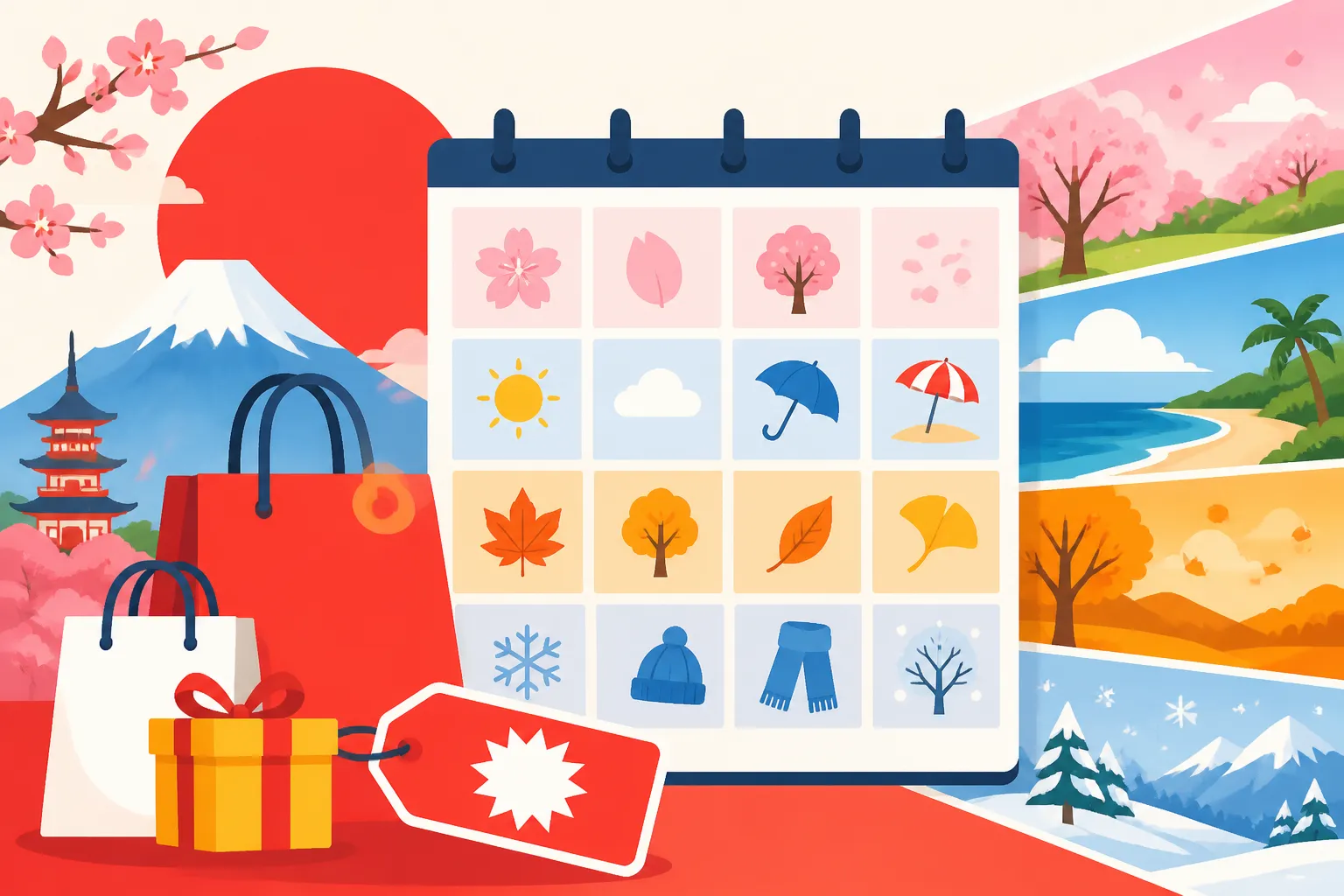
Japan's Sales Calendar Overview
To make things a bit clearer, here’s a quick glance at the major retail events:
| Season/Event | Approximate Timing | Typical Items on Sale | Key Features |
|---|---|---|---|
| New Year | Late Dec – Mid-Jan | Fashion, electronics, cosmetics, food, household goods | Fukubukuro (Lucky Bags), deep general discounts. |
| Spring | March – April | Lighter apparel, home appliances, moving essentials | New fiscal/academic year promotions, end-of-winter clearance. |
| Golden Week | Late April – Early May | Travel goods, some fashion, electronics | Holiday-specific promotions, often less aggressive than New Year/Summer. |
| Summer | July – August | Spring/summer fashion, cooling appliances, outdoor gear | Major clearance event, significant discounts on clothing. |
| Obon | Mid-August | Travel essentials, gift items | Smaller, localized promotions. |
| Autumn | September – October | New electronics, some autumn fashion (early bird deals) | Product launches, occasional discounts on previous models. |
| Black Friday | Late November | Electronics, international brands, some fashion | Western-style sales adopted by major retailers, often online. |
| Christmas | Early – Mid-December | Gifts, toys, festive decor, beauty/gourmet sets | Gift-focused promotions, bundled deals, special packaging. |
| Year-End Clearance | Late December | Winter apparel, household goods, lingering electronics | Final push to clear stock before New Year, preparing for Fukubukuro. |
This calendar isn't set in stone, and specific deals will always vary. But knowing these general timings will give you a significant advantage. Remember, after you make your purchases, keep an eye on How to Read Japan Post Tracking Statuses for your items to make their way to you.
Navigating Japan's retail calendar can seem daunting at first, but with a little planning and the right tools (hello, proxy services!), you'll be grabbing those deals like a seasoned pro. Happy shopping, everyone!
Disclaimer
Please note that while we strive to provide accurate and up-to-date information, retail sales, promotions, and policies can change rapidly. Always double-check current dates, terms, and conditions with individual retailers or service providers. This guide is for informational purposes only and does not constitute financial or purchasing advice.