Selling or Scrapping Your Car in Japan: What Expats Need to Know
Planning to move on from your vehicle? This comprehensive guide explains how you can successfully sell or scrap your car in Japan. From finding dealers to navigating the paperwork and reclaiming taxes, we’ve got everything you need for a smooth transition.
Disclosure: This post may contain affiliate links. We may earn a commission at no extra cost to you if you make a purchase through these links. Read full disclosure.
How You Can Navigate the End of Your Car Ownership Journey
Owning a car in Japan is a wonderful way to explore the countryside and enjoy the convenience of personal travel. However, whether you are leaving the country or simply upgrading to a newer model, the time will eventually come when you need to decide what to do with your current vehicle. You might be feeling a bit overwhelmed by the technical terms and the famous Japanese bureaucracy, but don’t worry—you are not alone.
Deciding whether to sell your car for a profit or scrap it because it has reached the end of its life is a major decision that affects your finances and your peace of mind. By understanding the local systems, you can ensure that you follow all legal requirements while potentially putting some extra cash back into your pocket. If you are also in the process of leaving your current residence, you might find our guide on Moving Out of Your Apartment: Ending Leases, Cleaning, and Deposit Returns a helpful companion to this article.
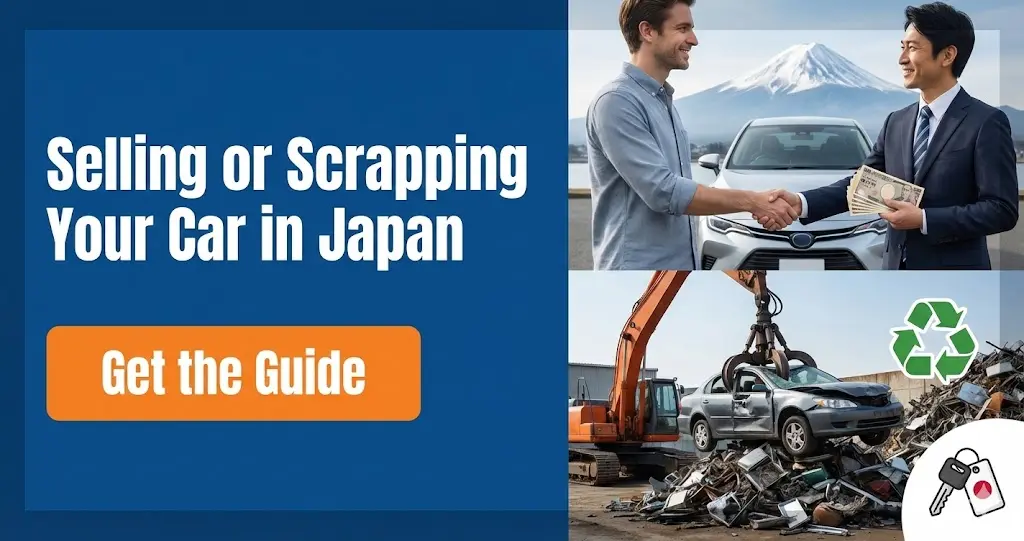
How You Can Get the Best Value When Selling Your Car
If your car is still in good condition and has a valid inspection, selling it is usually the most profitable path. In Japan, the used car market is very active, and there are several ways you can go about finding a new home for your vehicle. The key to a successful sale is knowing your options and preparing your car to look its best for potential buyers.
Choosing the Right Selling Method for Your Needs
There are three primary ways to sell your car in Japan, each with its own pros and cons:
- Used Car Dealers (Kaitori): These are companies like Gulliver or Big Motor that specialize in buying used cars. This is often the fastest and easiest method. They handle all the paperwork for you, which is a huge benefit if you are busy.
- Trade-In (Shitadori): If you are purchasing a new car, you can trade in your old one at the same dealership. While convenient, you might not get as much money as you would through a specialized buyer. This is a common step for those exploring Buying a Car in Japan: What Every Expat Needs to Know.
- Private Sales: Using platforms like Mercari or Yahoo Auctions can get you the highest price, but you will be responsible for all the paperwork and potential disputes. This requires a higher level of comfort with the Social Etiquette in Japan: Dos and Don’ts for Expats and the language.
Why the Shaken Inspection Matters for Your Sale
One of the biggest factors in your car’s resale value is the remaining time on its Shaken (mandatory safety inspection). A car with more than a year left on its Shaken is much more attractive to buyers because they won’t have to pay for an expensive inspection immediately. If your Shaken is about to expire, you might find that the offers you receive are significantly lower.
Your Step-by-Step Guide to Scrapping a Car in Japan
Sometimes, a car is simply too old or has too many mechanical issues to sell. In Japan, this process is known as Haisha. Unlike some countries where you might leave an old car in a field, Japan has very strict recycling laws that you must follow. Scrapping your car correctly ensures that you are no longer liable for taxes and that the vehicle is disposed of in an environmentally friendly way, which is a core value of our Sustainability hub.
How the Scrapping Process Works
To scrap your car, you must take it to a licensed dismantling facility. They will strip the car for parts and recycle the metal. Once the car is physically destroyed, the facility will provide you with a certificate. This certificate is crucial because you must take it to the Land Transport Office to officially “delete” the car from the national registry.
One positive aspect of scrapping is the Recycle Fee (Reisaikuru-ryo). Most car owners pay this fee when they buy the car. When you scrap it, the facility uses that pre-paid fee to cover the costs. If you haven’t paid it yet, you will need to do so at the time of disposal. Understanding these small costs is essential for your Personal Finance for Expats in Japan: Saving and Investing for Retirement.
Comparing Your Options: Selling vs. Scrapping
To help you decide which path is right for you, we have put together a comparison of the two processes:
| Feature | Selling Your Car | Scrapping Your Car (Haisha) |
| Financial Outcome | You receive a payment based on value. | You may receive a small scrap metal fee. |
| Effort Level | Moderate (Cleaning, negotiating). | Low to Moderate (Transporting to yard). |
| Paperwork | Ownership transfer (Meigi Henko). | Permanent deregistration (Eiju Massho). |
| Tax Impact | You stop paying future taxes. | You may receive a refund of pre-paid taxes. |
| Best For | Newer cars with valid Shaken. | Old cars, damaged cars, or expired Shaken. |
Preparing Your Documents: What You Need to Have Ready
Regardless of whether you sell or scrap, the paperwork is the most critical part of the process. In Japan, the car is legally tied to your registered seal (Inkan) and your address. Missing one document can delay the entire process for weeks.
The Essential Document Checklist
You will need to gather the following items before you meet with a buyer or a scrap yard:
- Vehicle Inspection Certificate (Shaken-sho): The original blue or white paper kept in your glove box.
- Compulsory Automobile Liability Insurance (Jidosha Saikeshi Hoken): Your valid insurance policy document.
- Seal Registration Certificate (Inkan Shomeisho): A certificate from your local ward office (must be issued within the last 3 months).
- Registered Seal (Inkan): The actual stamp you used to register at the ward office.
- Automobile Tax Receipt: Proof that you have paid the annual tax for the current year.
- Letter of Attorney (Iminjo): If the dealer is handling the paperwork for you, you will need to sign this to give them permission.
For more information on the ongoing costs you might be paying up until this point, see Owning a Vehicle in Japan: Taxes, Fees and Other Costs.
Why You Should Care About the Deregistration Process
The most important step for any expat is ensuring the car is no longer in your name. If you sell the car privately and the buyer fails to register it in their name, you will continue to receive bills for the annual Automobile Tax every May. You could also be held liable for parking tickets or accidents involving the vehicle.
Always ask for a copy of the updated Shaken-sho or the Deregistration Certificate (Massho Toroku Shomeisho) once the process is complete. This is your “get out of jail free” card that proves you are no longer the owner. This level of diligence is a hallmark of Driving in Japan: Rules, Licenses & Safety.
Maximizing Your Refunds: Getting Your Taxes Back
One of the most pleasant surprises for expats who scrap or sell their cars is the possibility of receiving a tax refund. Because the Automobile Tax and the Weight Tax are often paid in advance for the entire year, you are entitled to a pro-rated refund for the remaining months.
- Automobile Tax Refund: If you deregister your car, you will receive a notification in the mail (usually a few months later) that you can take to the bank or post office to claim your cash.
- Weight Tax Refund: This is usually only available if the car is scrapped.
- Insurance Refund: You can also contact your insurance provider to cancel your policy and receive a refund for the unused premium. Check your Car Insurance in Japan: How to Insure Your Vehicle for contact details.
Managing these refunds correctly is a great way to bolster your Money & Finance goals while living abroad.
Tips for a Smooth Transition
As you prepare to say goodbye to your vehicle, keep these final tips in mind to ensure everything goes perfectly:
- Clean the Interior: A clean car always fetches a higher price and makes a better impression during inspections.
- Remove Personal Belongings: Check under the seats and in the trunk for any items, especially your Parking Your Car in Japan: Rules, Fees and How to Find a Spot permits or garage remotes.
- Negotiate the “Total Price”: When selling to a dealer, ask if the price includes the tax refunds or if you will receive those separately.
- Check Your Address: If you have moved since you registered the car, you will need additional documents (like a Juminhyo) to bridge the gap between your old and new address.
You Can Confidently Move On to Your Next Adventure
Saying goodbye to your car in Japan doesn’t have to be a stressful experience. Whether you are selling it to a friendly dealer or responsibly scrapping it at a licensed facility, you are taking an important step in managing your life in Japan. By following the steps in this guide, you ensure that you stay compliant with the law and maximize your financial return.
Japan is a country that values order and proper procedure. When you respect these systems, they work beautifully for you. We hope this guide helps you feel empowered and ready for your next journey, whether that involves a brand-new Electric Vehicle or simply enjoying the world-class public transport system.
Disclaimer
This article is for general informational purposes only and does not constitute professional advice. Laws, prices and regulations vary by location and change over time. Consult a qualified professional for guidance on your specific situation.





