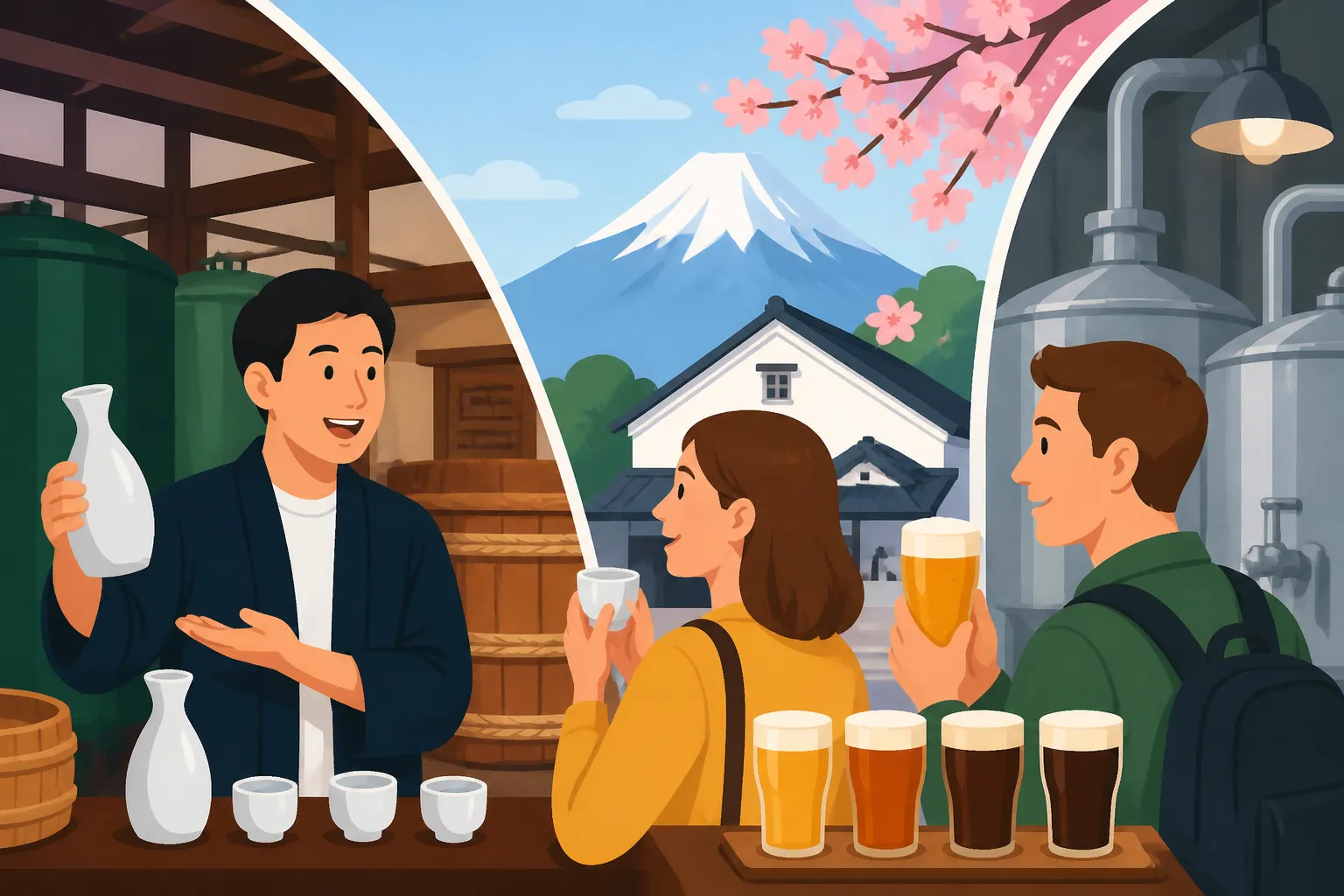
Sake Brewery and Craft Beer Tours: Booking Tastings With English Support
So, you've settled into Japan, or maybe you're just visiting, and you've tasted the exquisite sake and the surprisingly robust craft beers. Now, you want to go deeper, right? You want to see where the magic happens, meet the brewers, and understand the artistry firsthand. But then reality hits: the booking websites are all in Japanese, the tour descriptions are vague, and the thought of navigating a foreign-language guided tour alone fills you with dread. Trust me, I’ve been there, staring blankly at kanji-laden pages, wishing someone would just make it easy. Well, my friend, this guide is exactly for you, solving the puzzle of how to book unforgettable sake brewery and craft beer tours with full English support, and making sure you don't miss out on these incredible experiences.
Disclosure: This post may contain affiliate links. We may earn a commission at no extra cost to you if you make a purchase through these links. Read full disclosure.
The Allure of Japan's Beverage Culture: Beyond the Bottle
Japan’s reputation for meticulous craftsmanship extends far beyond its famous sushi and serene gardens; it deeply permeates its beverage industry. We're talking about a culture where every drop, every ingredient, and every step of the brewing or distilling process is treated with reverence. It's not just about getting a drink; it's about understanding a heritage.
The Mystique of Sake Brewing
For centuries, sake has been the spiritual drink of Japan, intricately linked with Shinto rituals, seasonal celebrations, and daily life. A visit to a sake brewery, or sakagura, is like stepping back in time. You’ll witness the traditional techniques that have been passed down through generations, often in buildings that are hundreds of years old, filled with the intoxicating aroma of fermenting rice. It’s a sensory journey from the koji room, where rice is cultivated with special mold, to the vast fermentation tanks, all while learning about the different grades – Junmai, Ginjo, and Daiginjo: Understanding Sake Classifications – and the regional variations. You'll grasp why a premium Daiginjo can command such respect, and why simply calling it "rice wine" doesn't do it justice.
The Rise of Japanese Craft Beer
While sake has its ancient roots, Japan's craft beer scene is a vibrant, relatively new phenomenon that's absolutely exploding. Forget bland major-brand lagers; this is a world of innovative microbreweries experimenting with local ingredients, unique brewing styles, and often, a distinct Japanese twist. Craft beer tours offer a chance to dive into modern entrepreneurial spirit, meet passionate brewers who are blending global techniques with local flavors, and taste a diverse range of beers from hoppy IPAs to rich stouts, often infused with fruits like yuzu or sansho pepper. It’s a testament to Japan’s ability to adopt and perfect, making foreign concepts distinctly their own. From bustling Tokyo brewpubs to tranquil rural breweries, the craft beer landscape is as varied as the country itself, proving that Japan truly is a destination for discerning drinkers.
Overcoming the Language Barrier: Your Biggest Expat Hurdle
Let's be real: navigating daily life in Japan as an expat or tourist, even with basic Japanese phrases, can sometimes feel like trying to run a marathon blindfolded. When it comes to specialized tours like sake or craft beer experiences, the language barrier can transform a potentially fascinating day into a confusing and frustrating one.
The Challenges of Direct Booking
Attempting to book a tour directly with a smaller, traditional Japanese brewery can be a Herculean task. Many smaller sakagura and independent craft breweries operate with minimal English infrastructure. Their websites are often exclusively in Japanese, and email inquiries might go unanswered or be met with polite apologies about their inability to accommodate non-Japanese speakers. Even if you manage to find an English booking form, the tour itself might still be conducted entirely in Japanese, leaving you smiling and nodding politely while missing out on all the intricate details about the shubo starter, the yamahai method, or the specific hops used in that award-winning IPA. Imagine being in a room filled with passionate explanations, but understanding only "rice" and "delicious." It’s a genuine bummer, taking away from the immersive experience you traveled so far for.
The Value of English-Speaking Guides
This is precisely why English-speaking guides are not just a convenience, but a necessity for a truly enriching experience. A good guide doesn’t just translate; they bridge cultural gaps, explain nuances, and share insights that you’d never get otherwise. They can demystify the complex world of fermentation, highlight the historical significance of a particular brewery, or even offer insider tips on how to best enjoy the tasting experience. Having someone articulate the stories behind each bottle, answer your questions in real-time, and ensure you understand the etiquette – like the proper way to clink glasses or offer a toast – transforms a passive observation into an engaging, educational, and genuinely fun interaction. You want to walk away feeling enlightened, not just tipsy!
Sake vs. Craft Beer: What to Expect from Your Tour
Choosing between a sake brewery and a craft beer tour in Japan is a wonderful problem to have! Both offer unique insights into Japan’s rich beverage culture, but they cater to slightly different tastes and offer distinct experiences.
A Journey into Traditional Sake Production
Sake brewery tours are generally more rooted in tradition and history. You’ll likely find yourself in a quieter, more revered setting, often in older, wooden buildings that exude a sense of timelessness. The process itself, from polishing rice to fermentation and pressing, is intricate and fascinating.
- Atmosphere: Expect a serene, almost meditative atmosphere. Many sakagura are located in rural areas or historic towns, offering a glimpse into traditional Japan. The tour often highlights the natural environment – the quality of the water, the local rice, and the climate – all crucial elements in sake production.
- The Process: Guides will walk you through the various stages: the washing and soaking of rice, steaming, koji-making (the most critical step, where mold spores convert starch to sugar), fermentation in large tanks, pressing, and bottling. You might even see ancient tools or techniques still in use.
- Tasting: The tasting portion is often a refined affair, with several different grades and styles of sake presented. You'll learn about the differences between junmai (pure rice sake) and honjozo (with added alcohol), dry vs. sweet, and how temperature affects the flavor profile. Many tours will allow you to sample freshly brewed, unpasteurized namazake that isn't available outside the brewery.
- Duration and Cost: Typically, sake tours range from 1 to 2 hours, sometimes including a meal pairing. Prices can vary widely, but generally offer excellent value for the cultural and educational depth.
- Key Learnings: You’ll gain a deep appreciation for the artistry, patience, and precision required to make sake, and understand why it holds such a special place in Japanese culture. You'll likely also pick up some excellent tips for enjoying sake at home.
Exploring Modern Craft Beer Innovation
Craft beer tours, on the other hand, often present a more contemporary and dynamic experience. These breweries are typically newer, with a focus on innovative equipment and a wider range of experimental flavors.
- Atmosphere: Craft beer tours often have a more casual, lively, and industrial feel. Many are located in urban centers, or renovated spaces in smaller cities, and might include a taproom or restaurant. It's a fantastic way to engage with Japan's burgeoning modern food and drink scene.
- The Process: You'll learn about the basics of beer brewing – malting, mashing, lautering, boiling, fermentation, conditioning, and packaging – often with a focus on the specific yeasts, hops, and unique ingredients (like green tea, local fruits, or even miso) that give Japanese craft beer its distinct character.
- Tasting: The tasting is usually generous, featuring a flight of their current offerings. You’ll explore diverse styles: IPAs, stouts, lagers, saisons, and often seasonal or limited-edition brews. Discussions might cover hop profiles, bitterness levels, and food pairings.
- Duration and Cost: Craft beer tours usually run from 1 to 2.5 hours, and can sometimes be combined with a meal at an attached brewpub. Pricing is generally competitive and varies based on the number of tastings and any food included.
- Key Learnings: You’ll discover the passion of Japan's craft brewers, their dedication to quality, and their creative approach to a global beverage. It’s a great way to taste beers you won't find anywhere else and support local businesses.
- Japanese Craft Beer Guide: Best Breweries and Brands to Try can give you an idea of what deliciousness awaits!
Choosing Your Adventure
If you're looking for a deep dive into tradition, history, and a refined tasting experience, a sake brewery tour is your go-to. If you prefer a more modern, experimental, and perhaps livelier atmosphere with a broader range of flavors, a craft beer tour will hit the spot. Many travelers even do both, appreciating the distinct yet equally fascinating worlds of Japanese brewing!
Your Best Friend for Booking: Klook and English Support
When it comes to reliably finding and booking tours in Japan with English support, especially for niche interests like sake and craft beer, Klook is an absolute lifesaver. Forget the headaches of navigating obscure Japanese websites or hoping for an English-speaking staff member; Klook streamlines the entire process, making it incredibly foreigner-friendly.
Why Klook Stands Out for Expats and Tourists
Klook acts as a fantastic bridge, connecting international travelers with local experiences that might otherwise be inaccessible due to language barriers or complex booking systems. They curate a wide range of activities, and critically, many of their listings explicitly highlight English language availability, either through English-speaking guides or clear English instructions. This takes a massive amount of stress off your shoulders.
Here's why Klook is often the best choice:
- Dedicated English Language Options: Klook excels at identifying tours that specifically offer English-speaking guides or detailed English instructions. When you search, you can often filter for language, or at the very least, tour descriptions are clearly written in English, outlining what support you can expect. This clarity is invaluable.
- Ease of Booking: The platform itself is intuitive and easy to use. You can browse, compare, and book tours directly from your phone or computer, often receiving instant confirmation. This is a far cry from the multi-step, often email-based, Japanese-only booking processes you might encounter directly.
- Transparent Information: Klook's listings typically provide comprehensive details, including what's included, what to bring, meeting points, duration, and crucially, any language support. This means fewer surprises on the day of your tour.
- Customer Support: Should you have any questions or issues, Klook offers customer support that is usually available in English, providing peace of mind from booking to completion. This is a huge benefit when you’re dealing with a foreign country and an unfamiliar industry.
- Curated Experiences: They often partner with reputable local operators, ensuring a certain standard of quality and authenticity. You're not just booking a generic tour; you're often getting a well-vetted experience.
- Reviews from Fellow Travelers: Reading reviews from other English-speaking travelers can provide excellent insights into the quality of the English support and the overall experience, helping you make an informed decision.
For instance, you might find a sake brewery tour in Kyoto or a craft beer tasting in Osaka listed on Klook, with a clear note that an English interpreter will be present or that the tour is led by a bilingual staff member. This kind of explicit information is rare to find on individual brewery websites, especially for smaller operations.
Step-by-Step Booking with Klook
Using Klook to book your perfect beverage tour is straightforward:
- Search Broadly: Start by searching for "sake brewery tour Japan" or "craft beer tour Japan" on the Klook website or app. Don't be too specific at first to see the full range of options.
- Filter for Language (if available): Look for language filters. If not explicitly there, read the tour descriptions carefully. Klook's English descriptions will usually state if an English guide is included or available.
- Read Descriptions Thoroughly: Pay close attention to the "What to Expect" and "Important Information" sections. This is where details about the tour itinerary, what's included (like tastings, food pairings, transportation), and English support will be clearly outlined.
- Check Reviews: Crucially, read the user reviews. Look for comments from other English speakers about the guide's proficiency and how well the tour content was communicated. This is often the best indicator of a truly English-friendly experience.
- Select Date and Time: Once you've found a promising tour, select your preferred date and time, and indicate the number of participants.
- Secure Your Booking: Proceed to payment. Klook offers various payment methods, making it convenient for international users. You'll receive a confirmation email with all the necessary details, including meeting points and contact information.
By leveraging Klook, you can confidently book your brewery tour, knowing that you'll have the linguistic support needed to fully appreciate the intricate world of Japanese beverages. It transforms a potentially daunting task into an exciting and accessible part of your Japanese adventure, allowing you to focus on the fun parts – learning and tasting!
Top Regions and Specific Brewery Examples
While excellent breweries and distilleries can be found all over Japan, some regions are particularly renowned for their offerings and accessibility for foreign visitors. These spots often have more established English-friendly tours, especially when booked through platforms like Klook.
Kansai Region: Kyoto, Osaka, and Hyogo
The Kansai region is a treasure trove for beverage enthusiasts, seamlessly blending ancient traditions with modern innovation.
- Kyoto (Sake): The Fushimi district in Kyoto is one of Japan's most historic and prolific sake brewing areas, known for its pristine underground water sources. Many sakagura here offer tours and tastings. Gekkeikan Okura Sake Museum is a popular choice, providing English explanations and a tasting. Kura-moto, or smaller breweries like Kizakura Kappa Country, also have facilities that often cater to international visitors, offering a more intimate experience. Booking a tour here through Klook can often include transportation from central Kyoto and a dedicated English guide, making it hassle-free. Kyoto's rich cultural backdrop also makes it an ideal place to learn about sake's historical significance, perhaps pairing a brewery visit with a stroll through traditional streets.
- Osaka (Craft Beer): Osaka's dynamic food scene extends to its vibrant craft beer culture. Breweries like Minoh Beer in the northern suburbs are highly regarded. While reaching them directly might require some navigation, tours that include a visit to their taprooms or to central Osaka craft beer bars often feature on Klook, ensuring you get to sample the best without the logistical headache. You'll find many brewpubs in areas like Umeda or Namba showcasing local craft brews. Osaka Street Food Guide: Dotonbori and Beyond can easily be combined with a craft beer tasting tour for a truly Osaka-esque culinary adventure.
- Hyogo (Sake): The Nada district in Kobe, Hyogo Prefecture, is another prime sake-producing area, famous for its Miyamizu water and high-quality Yamada Nishiki rice. Hakutsuru Sake Brewery Museum is incredibly popular, and its well-designed exhibits and tasting room are very foreigner-friendly. Other notable breweries like Kiku-Masamune also have impressive facilities. These are often easy to find and book with English support via Klook, sometimes even as part of a Kobe Weekend Guide: Harbor Cafés and Mountain Views.
Kanto Region: Tokyo and Beyond
Tokyo, as Japan's bustling capital, naturally boasts a thriving craft beer scene and surprising sake history.
- Tokyo (Craft Beer): The city is packed with fantastic craft beer bars and microbreweries. Companies like Tokyo Beer Lab or T.Y. Harbor Brewery offer fantastic experiences. While dedicated brewery tours might be less common than in regional areas, Klook often features "craft beer walking tours" or "tasting experiences" in areas like Shibuya, Shinjuku, or Kanda. These guided tours, led by English-speaking experts, will take you to several local spots, explaining the beers and the local beer culture, providing context that goes beyond just ordering a drink. It's a fantastic way to explore the city's hidden gems and vibrant nightlife.
- Beyond Tokyo (Sake/Beer): Just a short train ride from Tokyo, you can find breweries in Saitama or Kanagawa. For instance, in Saitama, you might find sakagura like Chichibu Koigakubo. While perhaps not as globally famous as Nada or Fushimi, these smaller, local breweries offer a charm of their own. Checking Klook for "day trips from Tokyo with brewery visits" is a smart move, as they often bundle transportation and English guidance to these less accessible but equally rewarding destinations. For deeper travel ideas, consider combining a tour with visits to places like Nikko Day Trip: Shrines, Nature, and Transport Tips or Hakone Day Trip: Onsen, Ropeway, and Mt. Fuji Views, checking for any Klook-listed beverage experiences nearby.
Hokkaido: Emerging Craft Beer Paradise
Hokkaido, known for its pristine natural environment and dairy produce, is quickly becoming a haven for craft beer lovers. The pure water and cooler climate make it ideal for brewing.
- Sapporo (Beer): While the Sapporo Beer Garden and Museum offer a glimpse into one of Japan's major beer brands, the island also has a burgeoning craft beer scene. Small local breweries are popping up, utilizing Hokkaido's local ingredients. While less English infrastructure might be found directly, Klook listings for Sapporo or nearby Otaru often highlight local tasting sessions or tours of smaller craft beer producers, catering to an increasing number of foreign visitors. Sapporo First-Timer Guide: Food, Parks, Seasonal Events will introduce you to this beautiful city where you can combine sightseeing with delightful craft beer exploration.
Table: Booking Methods for Brewery & Craft Beer Tours
| Method | English Support | Ease of Booking | Price Transparency | Recommended For |
|---|---|---|---|---|
| Klook | Excellent (explicitly stated on listings) | Very High | High | Expats/Tourists prioritizing clear communication and convenience |
| Direct Website (English) | Varies by brewery (often limited) | Medium | Medium | Those willing to research extensively for specific well-known breweries |
| Direct Website (Japanese) | None | Low | High | Japanese speakers or those with local assistance |
| Local Travel Agent | Good (but may lack specialization) | Medium | Medium | Travelers wanting a broader, custom itinerary including various activities |
| On-site Booking (walk-in) | Poor (gambling on staff availability) | N/A | Varies | Spontaneous travelers with high risk tolerance and flexible expectations |
This table clearly highlights why Klook often provides the best balance of ease, support, and transparency for foreigners eager to explore Japan’s beverage landscape.
Tips for a Truly Great Tour Experience
You've done the hard work of choosing and booking your tour, perhaps through Klook! Now, let's make sure you get the absolute most out of your brewery or distillery visit. A little preparation and awareness go a long way in Japan.
Essential Etiquette and Preparation
Japanese culture values politeness and respect, even in a casual tasting environment. Being mindful of a few key points can enhance your experience and show appreciation for your hosts.
- Punctuality is Key: Always arrive on time, if not a few minutes early, for your tour. Japanese schedules are strictly adhered to, and being late can disrupt the entire group and show disrespect to the guide and the brewery staff.
- Listen and Learn: Pay attention to your guide. They're a wealth of information. If you have questions, wait for appropriate moments, usually after a section or during designated Q&A. This is a chance to truly immerse yourself in the craft.
- Respect the Brewery: Follow any instructions regarding photography, touching equipment, or staying within marked areas. Traditional sakagura can have very specific rules, often related to maintaining hygiene for fermentation. Some areas might be off-limits due to active production or proprietary processes.
- Tasting Etiquette: When tasting, it's polite to appreciate the aroma and flavor, rather than just downing the drink. If you're with a group, waiting for everyone to be served before taking the first sip, or even raising a glass with a quiet "Kanpai!" (cheers!), can be a nice touch. Don't feel pressured to finish every sample if it's not to your taste, but do express gratitude.
- Food Pairings: If your tour includes food, remember that Japanese meals are often about balance. Try the suggested pairings, as they are often designed to complement the beverage beautifully.
- Dress Appropriately: While a full suit isn't necessary, aim for smart casual. Avoid overly casual attire like beachwear. Remember, you might be in active production areas, so comfortable, closed-toe shoes are a good idea.
- Stay Hydrated: Tasting multiple alcoholic beverages, especially sake which can be quite potent, requires responsible drinking. Make sure to drink plenty of water between samples. Many tours will offer water.
- Transportation Plan: Know how you're getting to and from the brewery. If you're going to be sampling, public transport is essential. Japan's train system is incredibly efficient, so plan your route using apps. For more on navigating Japanese transit, see How to Use Japan’s Train System (Local, Limited Express, Shinkansen).
Deepening Your Appreciation
To truly connect with the experience, consider these additional tips:
- Learn Basic Phrases: Even with an English guide, knowing a few simple Japanese phrases like arigato gozaimasu (thank you very much), oishii (delicious), or kanpai (cheers) can go a long way in showing goodwill and appreciation. You might find a quick refresher from Survival Japanese: 20 Key Phrases for Daily Life helpful.
- Ask Engaging Questions: Beyond "how is it made?", delve into questions about the local community's relationship with the brewery, the challenges of modern production, or the philosophy behind their brewing. These types of questions can spark fascinating conversations and give you a deeper understanding.
- Explore the Area: Many breweries are located in charming towns or districts. After your tour and tasting, take some time to explore the surroundings. You might discover local shops selling unique crafts, historic temples, or picturesque streets that further enrich your day. For example, if you're in a sake region, you might find artisan shops that sell beautiful sake cups.
- Consider Purchase: If you enjoyed a particular sake or beer, consider purchasing a bottle or two directly from the brewery shop. Not only does it make a fantastic souvenir, but you're also directly supporting the local producer. Sometimes, special limited-edition bottles are only available for purchase at the brewery itself.
- Share Your Experience: Many breweries appreciate genuine feedback. A polite comment or a positive online review can be a great way to show your thanks and help future visitors.
By embracing these tips, you're not just taking a tour; you're engaging in a cultural exchange, deepening your understanding of Japan's revered beverage traditions, and making memories that will last long after the last drop. So go forth, explore, and kanpai!
Disclaimer
This article is for general informational purposes only and does not constitute professional advice. Laws, prices and regulations vary by location and change over time. Consult a qualified professional for guidance on your specific situation.





