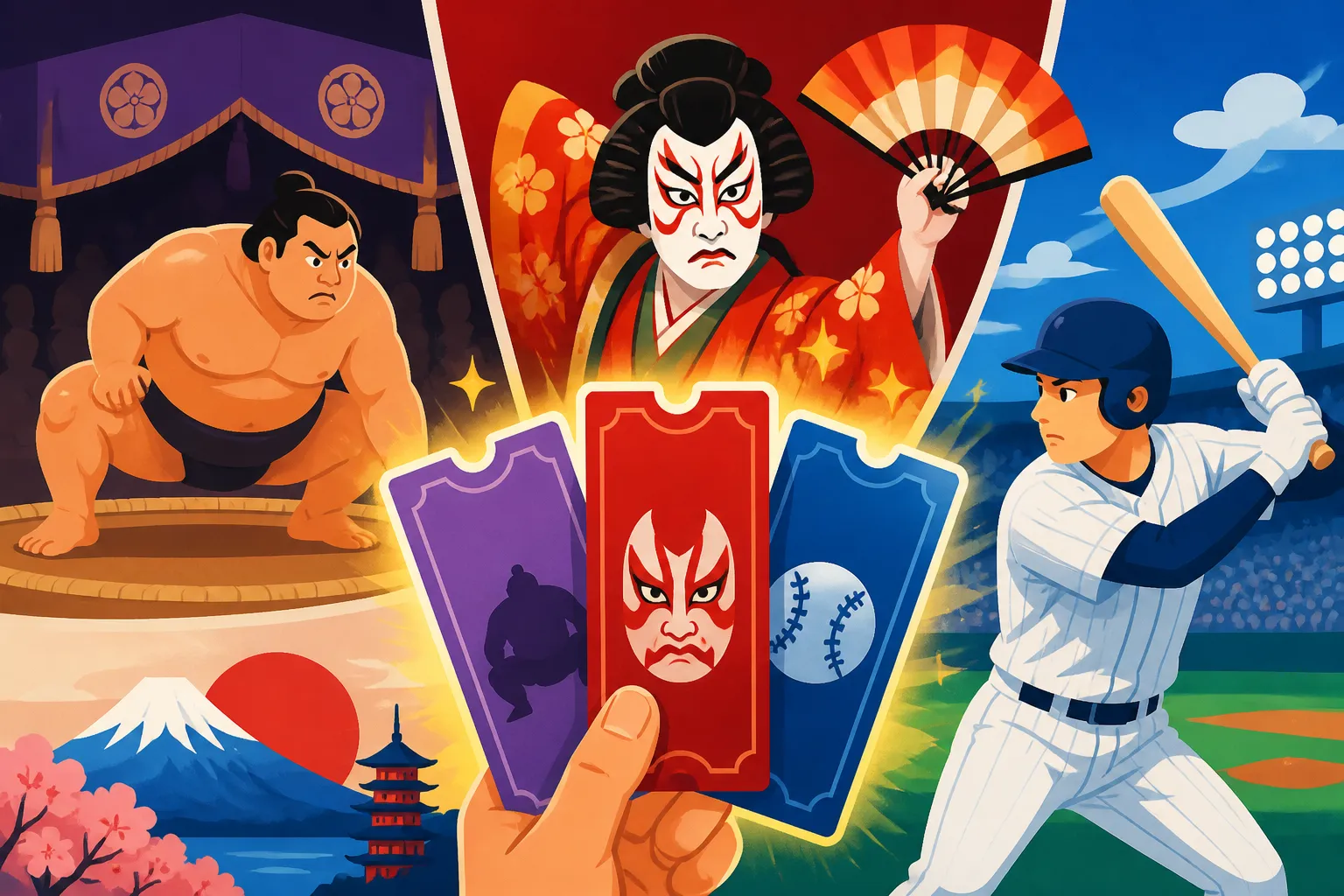
Hard-to-Get Japan Tickets: Sumo, Kabuki, and Baseball Booking Routes for Foreigners
It’s a common expat lament: you've finally settled into Japan, you’re itching to experience a truly iconic event, but those coveted tickets for sumo, kabuki, or baseball feel utterly out of reach. Navigating the labyrinthine Japanese booking systems, often exclusively in Japanese and reliant on local payment methods, can be a soul-crushing exercise. This guide will walk you through the ins and outs of securing those hard-to-get tickets, highlighting streamlined booking routes for foreigners so you can finally immerse yourself in Japan’s incredible live culture.
Disclosure: This post may contain affiliate links. We may earn a commission at no extra cost to you if you make a purchase through these links. Read full disclosure.
Understanding the Unique Challenges of Japanese Ticketing
Before we dive into the specifics, it's crucial to understand why getting tickets for popular events in Japan can feel like solving a riddle wrapped in a mystery, tucked inside an enigma, all in kanji. It’s not just about demand; it’s about a cultural approach to sales and a reliance on systems that weren't originally designed with international visitors or long-term foreign residents in mind.
The Language Barrier and Local Systems
The most immediate hurdle for many foreigners is, understandably, the language. Official websites for sports leagues, theater companies, and sumo associations are often primarily in Japanese, with English versions being sparse, poorly translated, or offering only a fraction of the available tickets. Beyond just the website, the payment methods can be an issue too. Many local online systems prefer Japanese credit cards or require payment at a convenience store machine within a tight deadline, which can be daunting if you’re not fluent in reading Japanese instructions. You might find yourself staring blankly at a Lawson Loppi terminal, wishing for a simpler way.
Complex Release Schedules and Fierce Competition
Japanese ticketing operates on a very precise, often frustrating, schedule. Tickets for major events like Sumo Grand Tournaments or popular baseball games are released far in advance, sometimes months ahead, and often in multiple "lottery" phases before general sale. Competition for these tickets is incredibly fierce. Local fans are highly organized, ready to pounce the second sales open, making it feel impossible to get a foot in the door. If you miss the initial lottery phases, you're left scrambling for scraps during the general sale, which can sell out in minutes.
Limited Foreigner-Friendly Options
Historically, direct channels for foreigners were almost non-existent. You either needed a Japanese friend to help, or you paid exorbitant fees to scalpers. While things are slowly improving, many event organizers still haven't fully embraced international audiences with dedicated English support or direct booking platforms. This is where a reliable platform that caters specifically to overseas buyers, like Klook, becomes an absolute godsend, cutting through a lot of the red tape and frustration.
Sumo Tickets: Stepping into the Sacred Ring
Attending a Grand Sumo Tournament (Honbasho) is an unforgettable cultural experience. The sheer power, the rituals, the roar of the crowd – it's something truly special. But getting tickets can be as challenging as pushing a sumo wrestler out of the ring!
Navigating Grand Sumo Tournament Schedules and Seating
There are six Grand Sumo Tournaments each year, held in different cities:
- January: Tokyo
- March: Osaka
- May: Tokyo
- July: Nagoya
- September: Tokyo
- November: Fukuoka
Each tournament lasts 15 days, with bouts starting in the morning for lower ranks and culminating with the top division (Makuuchi) in the late afternoon. The final weekend, especially the last day (senshuraku), is when tickets are most sought after.
Seating options vary, but typically include:
- Ringside Seats (Tamari-seki): These are the closest, most expensive, and hardest to get. Spectators sit directly on the floor near the ring, offering an unparalleled view – but beware, wrestlers can tumble into the audience!
- Box Seats (Masu-seki): Traditional Japanese seating for 2-4 people, on cushions on the floor. You rent a whole box. Great for groups and a truly authentic experience.
- Chair Seats: Standard stadium seats, usually further back but more comfortable for long viewing.
- Upper Deck Standing Room: Cheapest option, often only available on the day.
Ticket release dates are usually about two months before the tournament begins, with various pre-sales and lotteries preceding the general public sale.
Booking Sumo Tickets for Foreigners: Direct vs. Platforms
Traditionally, foreign sumo fans would brave the Japanese ticket sites, queue at convenience stores like Seven-Eleven or FamilyMart using machines like Loppi or FamiPort, or rely on friends. This often involved deciphering complex Japanese text, understanding seating charts in a foreign language, and dealing with payment systems that aren't always friendly to international cards.
For international visitors and expats who don't have time for such administrative gymnastics, a platform like Klook dramatically simplifies the process. Klook often secures blocks of tickets in advance, particularly for popular seating areas, and offers them directly in English. This means no navigating obscure Japanese websites, no frantic dashes to a convenience store, and confirmed payment in your preferred currency. Klook often also provides helpful context and tips for first-timers, enhancing your overall experience. It's a fantastic solution for bypassing the competitive local market and ensuring you don't miss out on this incredible cultural spectacle.
Kabuki Tickets: The Drama and Spectacle of Traditional Theater
Kabuki, with its elaborate costumes, dramatic makeup, and stylized performances, is a pillar of Japanese performing arts. It's a captivating experience, even if you don't understand Japanese, thanks to its visual storytelling and the available aids.
Major Kabuki Theaters and Performance Styles
The primary venue for kabuki, especially in Tokyo, is the Kabuki-za Theatre in Ginza. Other notable theaters include the National Theatre of Japan (Kokuritsu Gekijo), also in Tokyo, and Minamiza Theatre in Kyoto. Performances typically run for a month, with morning and afternoon sessions.
Unlike Western plays, kabuki performances are often divided into multiple acts or even distinct plays presented in one sitting. A single performance can easily last four or five hours. For this reason, many theaters offer "Hitomaku-mi" (single act) tickets, allowing you to watch just one specific act at a reduced price, perfect for a taste of kabuki without committing to an entire day.
Understanding the narrative can be challenging, but don't despair! Kabuki-za, for instance, offers a fantastic "G-Mark" English earphone guide for a small rental fee, which provides real-time commentary, explanations of the plot, characters, and cultural context. It’s highly recommended and makes the experience infinitely more enjoyable.
Streamlined Kabuki Booking Through Klook
Directly booking kabuki tickets, especially for Kabuki-za, through the official website can be surprisingly simple in comparison to, say, sumo. Their English portal is usually quite good. However, finding the best seats, understanding the performance schedule nuances, or securing tickets during peak tourist seasons can still be tricky.
This is another area where Klook excels. Klook frequently offers packaged kabuki experiences, sometimes including dinner or cultural workshops alongside your performance ticket. For those new to kabuki, these curated experiences can be invaluable, as they ensure you get a good seat, and often include the English earphone guide rental. Instead of juggling multiple bookings and translations, you can secure your entire kabuki adventure through Klook with confidence, knowing you have a confirmed English-friendly experience. They streamline the selection process, making it easy to pick a performance that aligns with your schedule and interests, removing the guesswork from unfamiliar cultural events.
Baseball Tickets: Japan's Second Religion
If you thought baseball was big in America, just wait until you experience a Japanese professional baseball game! It's an electrifying atmosphere, a blend of passionate cheering, brass bands, unique food, and intricate fan rituals that puts many international stadiums to shame.
Teams, Stadiums, and Game Day Experience
Japan has two major leagues, the Central League and the Pacific League, with a total of 12 teams. Some of the most popular teams with fiercely loyal fan bases include:
- Central League: Yomiuri Giants (Tokyo Dome), Hanshin Tigers (Koshien Stadium, near Osaka), Hiroshima Toyo Carp (Mazda Zoom-Zoom Stadium).
- Pacific League: Fukuoka SoftBank Hawks (Fukuoka PayPay Dome), Orix Buffaloes (Kyocera Dome Osaka), Hokkaido Nippon-Ham Fighters (ES CON Field Hokkaido).
Attending a game is more than just watching baseball; it's a full cultural immersion. Expect dedicated cheering sections for each team (often involving elaborate songs, synchronized movements, and balloon releases), a wide array of stadium food (from classic yakitori to local delicacies), and cheerleaders. The energy is infectious, making it a must-do for sports fans.
Tickets are typically released a few months before the season starts, with individual game tickets becoming available in phases. Popular matchups, especially between rival teams like the Giants and Tigers, sell out incredibly fast.
Booking Baseball Tickets Without Striking Out
Securing baseball tickets directly can be a mixed bag. Some team websites have decent English sections, while others are entirely Japanese. Just like sumo, convenience store machines are a primary local sales channel. For popular games, you might face stiff competition from local fans who know the system inside out.
For a smoother experience, particularly for high-demand games or if you're traveling and want to ensure you have a seat, Klook is a fantastic resource. Klook often partners with teams or tour operators to provide guaranteed tickets, often with good seating locations. This means you can browse available games, select your seats, and pay in your own currency, all through a user-friendly English interface. No need to worry about language barriers or whether your foreign credit card will be accepted on a Japanese team’s website. Klook provides a reliable way for foreigners to dive headfirst into the exhilarating world of Japanese baseball, making sure you don't miss out on the incredible atmosphere. You can also explore their offerings for other unique experiences, like Tokyo on a Budget: Free & Cheap Activities for New Expats to fill out your itinerary.
Why Klook Is Your Go-To for Hard-to-Get Tickets
When trying to secure tickets for these quintessentially Japanese experiences, relying on a trusted platform designed for international travelers and expats is often the smartest move. This is exactly where Klook steps in, bridging the gap between local complexities and global accessibility.
Eliminating the Language and Payment Barriers
Let’s be honest, trying to navigate a website filled with kanji, figuring out what seat type is what, and then hoping your overseas credit card works can be incredibly frustrating. Klook bypasses all of that. Their platform is fully in English, clearly outlining all your options, and accepts a wide range of international payment methods. This alone is a huge relief for anyone who has ever tried to buy something online in Japan without local banking.
Access to Pre-Allocated Tickets and Exclusive Packages
For highly sought-after events like Sumo Grand Tournaments or popular baseball games, Klook often has pre-allocated tickets. This means they've already secured seats, reducing your stress levels and increasing your chances of getting tickets, even when official channels are sold out. They also frequently offer packages that include not just the ticket, but sometimes transportation, special seating, or even cultural additions, providing a more comprehensive and hassle-free experience. Think of it as having an insider connect who speaks your language. They help streamline many aspects of your travel planning, much like they can simplify booking your Shinkansen Tickets: Booking, Seat Types, and Luggage Rules.
Reliability and Peace of Mind
When you're planning a trip or a special outing, the last thing you want is uncertainty. Booking through Klook provides confirmed tickets and customer support in English, giving you peace of mind. You won't be left wondering if your ticket purchase went through correctly, or how to claim it if the instructions are in Japanese. They handle the local legwork so you can focus on enjoying the experience. For example, if you're also planning some unique cultural activities, Klook can also assist with things like Japanese Tea Ceremony Basics: Booking a Class, Etiquette or Kimono Experience Guide: Rentals, Seasons, and Manners.
Here's a quick comparison of booking methods:
| Feature | Official Japanese Websites (Direct) | Convenience Store Machines (Loppi/FamiPort) | Klook |
|---|---|---|---|
| English Support | Limited or poor | Almost none | Excellent |
| International Payment | Often restricted | Requires Japanese cash/cards | Wide range of international methods |
| Ease of Use | High complexity (language, navigation) | Very high complexity (Japanese only, kiosk) | Very easy (English interface, clear options) |
| Availability | Direct access, but competitive | Direct access, but competitive | Often pre-allocated blocks, less direct competition for you |
| Bundled Experiences | Rare | No | Common (e.g., ticket + tour/meal) |
| Customer Support | Usually Japanese only | None at point of sale | English-speaking, accessible |
| Price | Face value (plus small fees) | Face value (plus small fees) | Face value (plus service fee), but value in convenience/access |
Klook makes it genuinely easier for foreign visitors and residents to access these amazing events, ensuring you spend less time stressing about logistics and more time soaking in the unique atmosphere of Japan. Their intuitive interface removes a huge amount of potential friction.
Final Tips for a Successful Ticket Hunt
Even with a fantastic resource like Klook, a few general tips can help ensure your quest for tickets is a success.
Plan Ahead and Be Flexible
This cannot be stressed enough, especially for events like Sumo Grand Tournaments or major sporting finals. As mentioned, tickets go fast. Check schedules and release dates well in advance. If your travel dates are flexible, consider attending during weekdays or less popular periods when tickets are easier to come by. For example, the first few days of a sumo tournament are often less crowded than the final days.
Explore Different Seating Options
Sometimes, the "best" seats are already gone, but a slightly different perspective can still offer an incredible experience. Don't be fixated on ringside seats if box seats or even upper-deck chair seats are available. Each offers a distinct way to enjoy the event. For baseball, sitting in the outfield cheering sections can be an unforgettable, high-energy experience, even if you’re not close to home plate. Klook often has a variety of seating types available, so you can explore what works best for your budget and preference. They simplify finding diverse options, which is a blessing in a country where even simple things can require Reading Simple Japanese Menus: Common Words and Symbols.
Embrace the Experience Beyond the Event
Remember that going to a sumo match, a kabuki play, or a baseball game in Japan is about more than just the main event itself. It's about the journey to the venue, the atmosphere outside, the food and drinks, the unique cultural aspects. Even if you don't get the absolute perfect seat, the entire experience will be memorable. Dive into the local etiquette – whether it's understanding how to queue, using designated smoking areas, or simply being present and absorbing the collective excitement. These moments are just as precious as the ticket in your hand.
By understanding the challenges and leveraging effective platforms like Klook, you can transform the daunting task of securing tickets into a smooth, enjoyable part of your Japanese adventure. Don’t let the language barrier or complex systems deter you from experiencing the heart of Japan’s vibrant culture.
Disclaimer
This article is for general informational purposes only and does not constitute professional advice. Laws, prices and regulations vary by location and change over time. Consult a qualified professional for guidance on your specific situation.