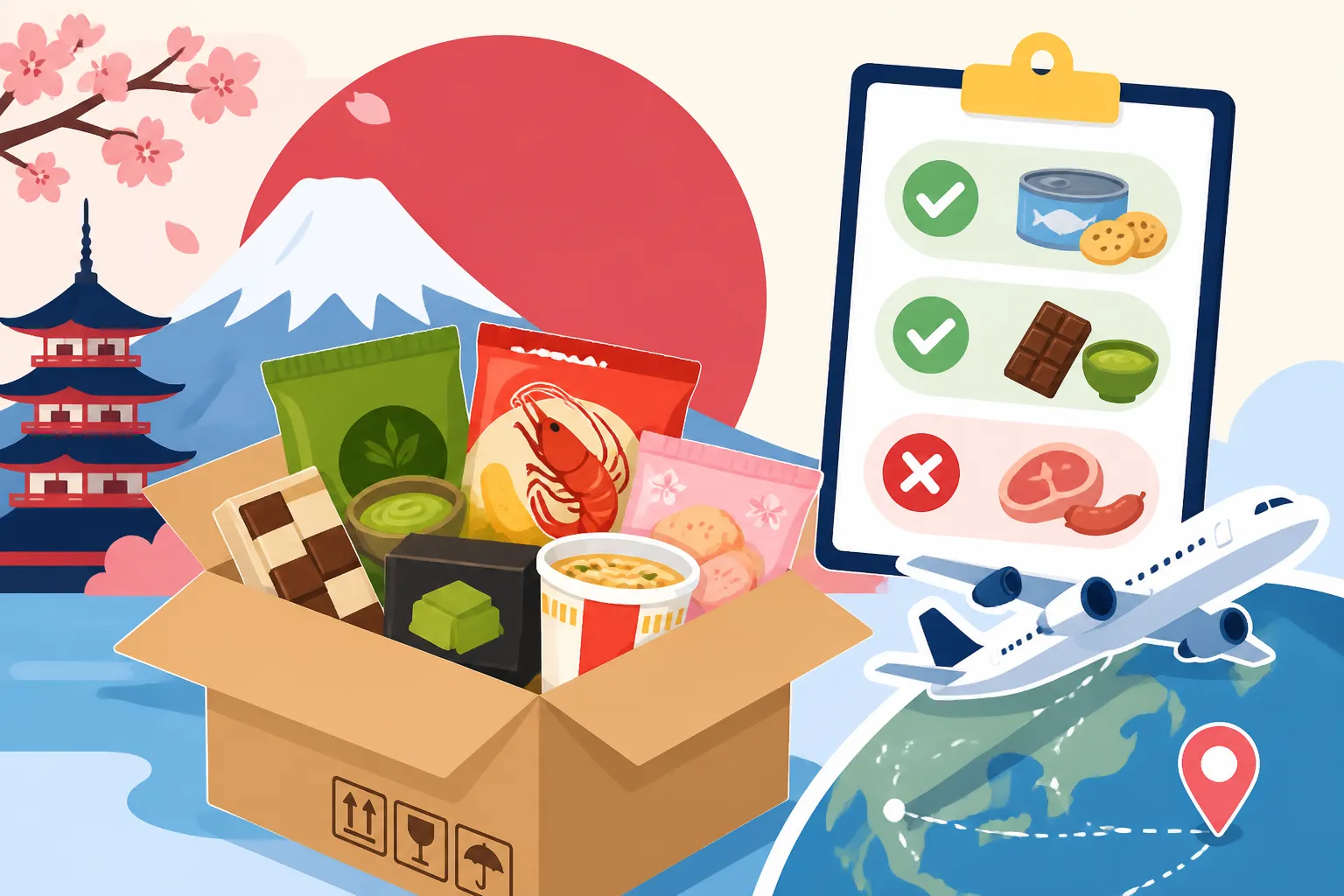
Can You Ship Food and Snacks from Japan? Rules Explained
Ah, the distinct craving for that specific Japanese snack, that regional omiyage, or even just a trusty pack of instant ramen you can't find back home. I've been there, staring longingly at my suitcase thinking, "Can I really fit enough matcha Kit Kats to last me six months?" Or worse, leaving Japan and realizing you forgot to stock up, only to face the daunting world of international shipping. Trust me, sending food and snacks from Japan can feel like navigating a minefield, but it's absolutely doable if you know the rules. This guide is here to help you understand what you can ship, what you can't, and how to get those delicious Japanese treats delivered right to your door.
Disclosure: This post may contain affiliate links. We may earn a commission at no extra cost to you if you make a purchase through these links. Read full disclosure.
The Irresistible Pull of Japanese Snacks: Why We Love Them So Much
There’s something uniquely special about Japanese snacks and food items that just sinks its hooks into you. It's not just about satisfying a hunger pang; it's an experience, a memory, a comfort.
The Comfort of Familiar Flavors from Afar
When you live abroad, or even after a fantastic trip, food often becomes a powerful link to a place you cherish. For many of us, that's Japan. Maybe it's the comforting taste of a certain onigiri flavor, the perfect crisp of Calbee potato chips, or the seasonal delights like sakura flavored sweets that transport you right back to hanami season. These aren't just snacks; they're edible memories. You’ve likely formed a deep connection with certain brands and flavors that simply don't exist with the same nuance or quality outside of Japan. It’s a very real kind of homesickness, not for your passport country, but for the culinary experiences of your adopted or beloved second home.
Beyond the Konbini: Rare Finds and Regional Delights
It's not just the everyday convenience store snacks that call to us. Japan is a treasure trove of regional specialties (meibutsu) and limited-edition items. Think of the unique ramen varieties only sold in Hokkaido, the specific mochi from a Kyoto confectioner, or the highly sought-after seasonal Kit Kats that change with every passing month. These are the kinds of items that make you feel like you're missing out if you can't get them. The thought of a rare umeshu (plum wine) or a craft sake only available in a tiny prefecture can drive even the most laid-back expat to consider international shipping. There's a whole world of culinary adventure that many of us want to continue exploring, even when we're thousands of miles away.
Navigating the Maze: General Rules for Shipping Food from Japan
Alright, let's get down to the nitty-gritty. Shipping food isn't just about what you want to send; it's about what both Japan and your destination country allow. This is where most people get tripped up, often assuming that if it's legal in Japan, it's legal everywhere else. Spoiler alert: it's not.
Japan's Export Side: What They're Okay Sending Out
From Japan's perspective, most commercially packaged, shelf-stable processed foods are generally fine to export. They're primarily concerned with things that could be agricultural pests, diseases, or illegal substances. This means fresh produce, raw meat, unpasteurized dairy, and anything that could spoil easily or carry pests is typically a no-go. For commercially processed items, as long as they are properly sealed, clearly labeled, and don't contain any prohibited ingredients (which we'll get to), the Japanese postal service or courier usually won't bat an eye. However, the onus for ensuring the contents are acceptable at the destination rests squarely on you, the sender.
Your Home Country's Import Side: The Real Gatekeepers
Here’s where things get really complicated. Every country has its own unique, often incredibly strict, import regulations for food items. These rules are in place to protect local agriculture from foreign pests and diseases, and to ensure food safety standards are met.
For example:
- The United States (USDA/FDA): Is notoriously strict. Many items containing even trace amounts of meat (e.g., bonito flakes, powdered chicken extract in instant noodles, fish sausage) or dairy can be flagged. Fresh fruits, vegetables, and most raw animal products are almost entirely prohibited.
- The European Union: Similar to the US, they have stringent rules on animal products, fresh produce, and anything that could pose a biological risk. Ingredients lists are scrutinized.
- Australia and New Zealand: These countries have some of the toughest biosecurity laws in the world. Undeclared food, especially anything with seeds, animal products, or plant matter, can lead to severe fines and immediate destruction of your package.
The golden rule here is to check your own country's customs website before you even think about ordering. Look for sections on "prohibited and restricted imports" for food and agricultural products. This step is non-negotiable and will save you a world of heartache (and confiscated snacks).
Breaking Down the Basket: What Japanese Foods Are Usually Shippable?
Despite the hurdles, there are plenty of delicious Japanese items that typically make it through customs without a hitch. It mostly comes down to how processed and shelf-stable they are.
Shelf-Stable Processed Goodies: Your Best Bets
These are your bread and butter (or should I say, Pocky and Senbei) for successful international shipping.
- Packaged Cookies, Biscuits, and Crackers: Think classic Pocky, Koala's March, Alfort, or a variety of senbei (rice crackers). As long as they're commercially sealed and don't contain significant amounts of fresh dairy or meat products (which most don't), they're usually fine. Even the beloved Kit Kats, with their endless flavors, often travel well – just be mindful of warmer climates causing them to melt!
- Instant Noodles (without meat/poultry): This is a tricky one. Many instant ramen packets, especially the ones with real pieces of meat or even "meat extract" or "chicken powder" in the ingredients, can be confiscated. However, purely vegetable or seafood-flavored instant noodles, cup noodles, or udon without animal product derivatives are often safe. Always, always check the ingredients list for anything suspicious.
- Hard Candies and Gummy Candies: Items like Hi-Chew, Puccho, Kasugai Gummy Candies, and traditional hard candies are generally considered low risk because they are highly processed and non-perishable.
- Packaged Baked Goods (short shelf life considerations): Some Castella cakes, individually wrapped dorayaki, or certain sweet breads might be acceptable if they're commercially vacuum-sealed and have a long best-before date. However, always exercise caution here due to potential perishability and fresh dairy content.
Drinks, Spices, and Dried Staples: Often Safe Passage
These categories also tend to fare well, provided they are in their original, sealed packaging.
- Tea and Coffee: This is generally a safe bet. Whether it's high-quality matcha powder, sencha leaves, hojicha, or roasted coffee beans, these typically pass without issues. Loose leaf or ground, as long as it's clearly tea or coffee, you're usually good.
- Packaged Spices and Seasonings: Items like shichimi togarashi, furikake (if no meat/fish flakes), or packaged curry powder are usually fine. The caveat here is again, check ingredients for meat/fish products. Some furikake contains dried bonito flakes, which could cause problems.
- Dried Seaweed (Nori, Wakame): These are staple Japanese pantry items and are almost always permitted. They're shelf-stable, clearly processed, and pose little to no biosecurity risk.
- Miso Paste (packaged) and Soy Sauce: Commercially bottled or packaged soy sauce and miso paste are generally fine. Again, ensure they are factory-sealed to prevent leaks during transit.
- Snack Crackers and Rice Crackers (Arare, Okaki): These are often a safe bet, similar to the packaged cookies and biscuits, due to their low moisture content and processed nature.
The Red Flags: Japanese Foods That Are Tricky or Strictly Prohibited
Now, let's talk about the items that will likely cause you a headache, a customs delay, or worse, get your entire package confiscated. This is where well-meaning intentions often go awry.
Fresh, Raw, and Perishable: A Customs No-Go
This category is almost universally prohibited for international personal shipments, and for good reason.
- Raw Meat and Meat Products: This includes fresh cuts, cured meats, sausages, and even jerky. Wagyu beef, as much as we all adore it, cannot be shipped raw across international borders for personal consumption due to animal health regulations. It’s a sad reality, but a necessary one to prevent the spread of animal diseases.
- Fresh Fruits and Vegetables: Don't even think about it. Any fresh produce carries a high risk of introducing pests, diseases, or invasive species to a new ecosystem. Customs officials are trained to spot these, and they will be seized and destroyed.
- Dairy Products (Unpasteurized or Fresh): Fresh milk, yogurt, and many types of cheese are often restricted or prohibited due to pasteurization requirements and potential for spoilage. Processed, shelf-stable dairy ingredients in packaged snacks are usually fine, but pure dairy products are very risky.
- Eggs: Similar to fresh produce and raw meat, eggs can carry pathogens and are almost always prohibited in personal shipments.
The Hidden Dangers: Meat and Dairy Derivatives
This is the biggest trap for expats trying to send Japanese snacks. Many Japanese food products, even seemingly innocent ones, contain small amounts of animal or dairy products that are considered high-risk by destination customs.
- "Meat Extract" or "Chicken Powder": This is the silent killer of many instant ramen, dashi (broth) powders, and even some chip flavors. Even if it's just a flavor enhancer, if the ingredient list mentions any form of animal product, especially from beef or poultry, your package is at risk. Customs officials are increasingly vigilant about these. Always scrutinize the ingredients list.
- Fish and Seafood Derivatives: While less universally problematic than red meat or poultry, some countries have restrictions on certain types of fish products, especially if they are raw, dried, or in quantities that suggest commercial intent. Bonito flakes (katsuobushi) are a common one that can cause issues, as are certain types of fish pastes or processed seafood snacks in some regions.
- Cheese-flavored Snacks: While Pocky with cheese flavor or other cheese-based snacks might seem okay, if they contain real cheese powder or dairy ingredients beyond a certain percentage, they could be flagged. Again, it’s all about the destination country's specific rules.
A Note on Alcohol, Tobacco, and Pharmaceuticals
While not strictly "food or snacks," it's important to mention that these categories have entirely separate, and often even more complex, regulations:
- Alcohol: Extremely difficult and expensive to ship internationally due to high taxes, age restrictions, and licensing requirements. Don't expect to send a bottle of rare sake without a commercial license.
- Tobacco: Generally prohibited in international mail, again due to taxes and health regulations.
- Pharmaceuticals/OTC Medicines: Even over-the-counter cold medicine or painkillers are often restricted. Your destination country might require a doctor's prescription or limit quantities severely. If you're looking for Pharmacies in Japan: Buying Medicine Over the Counter or Getting Prescription Medications in Japan: A How-To Guide, you'll find the buying process different from shipping. Best to avoid shipping these via general proxy services.
Leveraging Proxy Services for Your Snack Haul
This is where services like Buyee and ZenMarket become your best friends. They can navigate the Japanese side of things and handle the logistics, but they won't magically bypass your country's customs.
How Buyee and ZenMarket Bridge the Gap
Proxy shopping services like Buyee and ZenMarket are invaluable because they allow you to purchase items from Japanese online stores or auction sites that typically don't ship internationally. They provide you with a local Japanese address, make the purchase on your behalf, receive the items at their warehouse, and then ship them to you worldwide.
For food and snacks, their role is crucial:
- Local Purchasing Power: You can buy from smaller, niche Japanese snack shops or even regular supermarkets that wouldn't otherwise be accessible.
- Consolidation: You can buy multiple small items from different sellers and have them consolidated into one larger package, saving significantly on international shipping costs. This is often detailed in guides like How Package Consolidation Saves You Money.
- Package Preparation: They can add extra padding, combine items efficiently, and fill out customs forms.
However, it's vital to remember: while they are experts in shipping, they are not customs brokers for every single destination country's food import laws. The ultimate responsibility for knowing if an item is permissible lies with you. While they will typically flag universally prohibited items (like fresh meat), they might not know the intricate nuances of "chicken extract" laws in your specific country. To get a better understanding of how these services compare, check out Best Japan Proxy Shopping Services Compared.
Smart Strategies for Food Orders via Proxy
To maximize your chances of a smooth, successful snack delivery:
- Do Your Homework (Again!): Before adding anything to your cart, consult your destination country's customs website specifically for food and agricultural imports. Cross-reference ingredients.
- Stick to the "Safe" List: Prioritize commercially sealed, shelf-stable, processed items with no obvious meat, dairy, or fresh fruit components.
- Read Ingredients Religiously: Use a translation app if needed. Look for words like "肉エキス" (niku ekisu – meat extract), "チキンパウダー" (chikin paudaa – chicken powder), "乳製品" (nyuuseihin – dairy products), or "乳化剤" (nyuukazai – emulsifier, which can sometimes be dairy-derived).
- Communicate with the Proxy Service: If you're unsure, you can sometimes leave notes for the proxy service asking them to double-check ingredients or advise on potential issues for food items. They might not always be able to provide definitive legal advice, but they can offer their experience.
- Declare Accurately: When filling out the customs declaration through your proxy service, be as specific as possible. Instead of "snacks," write "packaged cookies" or "dried seaweed." Don't misrepresent the contents to try and sneak something through; it will only lead to bigger problems.
The Nitty-Gritty: Packaging and Customs Declarations for Food Items
Once you've carefully selected your gourmet goodies, getting them packaged and declared correctly is the final frontier.
Declaring Your Delicious Contents Accurately
When you use a service like Buyee or ZenMarket, they will provide a section where you declare the contents and value of your package. This is not the time to be vague or dishonest. Customs officials are experienced.
- Be Specific: Instead of writing "Japanese candy," write "Assorted packaged hard candies" or "Individually wrapped matcha chocolates."
- Categorize Wisely: If you have multiple items, try to group them by type (e.g., "Assorted Biscuits & Crackers," "Matcha Tea Powder," "Instant Noodles – Vegetable Flavor").
- List All Ingredients (if possible/necessary): For items you're particularly worried about, some proxy services allow you to add more detailed notes. If your country has a specific ban (e.g., on pork products), and you know your instant ramen contains no pork, you might want to explicitly state "Instant Noodles (contains no pork ingredients)."
Inaccurate declarations can lead to delays, your package being opened for inspection (which means rough handling), or even seizure and fines. It's simply not worth the risk for a few packs of snacks.
Securing Your Snacks for Their Journey
Think about the journey your snacks will undertake. Japan's summers are brutally hot, and winters can be freezing. Transit in cargo holds isn't climate-controlled.
- Melting Hazards: Chocolates, gummies, and anything prone to melting will likely turn into a gooey mess in warmer months or if shipped to hot climates. Consider if it's worth the risk, or only order these during cooler seasons. You might even ask your proxy service for additional insulation, though this will add weight and cost.
- Crushing Risks: Potato chips (Crisps in some countries) and delicate crackers are prone to crushing. Requesting extra padding or using a more robust shipping box is a good idea. Many proxy services offer How Proxy Services Pack and Protect Fragile Items as an optional paid extra, which can be invaluable for delicate edibles.
- Pest Prevention: While commercially sealed products are generally safe, ensure all food items are in their original, unopened packaging. This is your best defense against any suspicion of pests.
- Leakage: Liquids like soy sauce, bottled umeshu (if allowed), or even thick sauces should be double-bagged to contain any potential leaks that could damage other items in your package.
Quick Guide to Shipping Common Japanese Snacks
Here's a quick reference, but remember, your destination country's rules are paramount!
| Item | Generally Shippable (from Japan) | Common Destination Issues (US/EU/etc.) |
|---|---|---|
| Pocky / Kit Kats | Yes | Melting in transit during warm weather; some exotic flavors might contain specific ingredients. |
| Instant Ramen (no meat) | Yes | Crucially: Instant noodles with any meat/poultry ingredients (even extract/powder) are often prohibited. Check all ingredients. |
| Matcha Powder / Tea Leaves | Yes | Generally no issues. |
| Miso Paste (packaged) | Yes | Large quantities might trigger duties. |
| Fresh Fruit / Vegetables | No | Strict import bans almost everywhere due to biosecurity. |
| Wagyu Beef (raw/frozen) | No | Extremely strict import bans due to animal health regulations. |
| Dried Seaweed (Nori) | Yes | Generally no issues. |
| Hard Candies / Gummy Candies | Yes | Generally no issues. |
| Shelf-Stable Baked Goods | Yes (with caution) | Perishability, some dairy ingredients. Check expiry dates and commercial sealing. |
| Furikake (no meat/fish) | Yes (with caution) | Many contain dried bonito (fish) flakes, which can be problematic in some countries. |
Final Bites: Tips for a Seamless Food Shipping Experience
I know this might seem like a lot to take in, but a little preparation goes a long way. The joy of receiving a box of your favorite Japanese treats is absolutely worth the effort.
Experiment Small, Learn Big
If you're unsure about a particular item or your country's customs, don't go all-in on a massive order right away. Start with a smaller, low-risk order of universally accepted items and a single "test" item that you're curious about. This way, you can see how your local customs handle it without risking a huge investment. It's a pragmatic approach that many seasoned expats use. You'll quickly learn what flies and what gets grounded in your specific situation.
Keep Up-to-Date with Regulations
Customs regulations are not static; they can change without much notice due to new trade agreements, agricultural concerns, or health scares. What was allowed last year might not be allowed this year. Always do a quick check on your country's customs website before making a large order. For general information on customs and taxes, our guide on Buying from Japan: Customs, Duties, and Import Taxes Explained can be very helpful, as can Prohibited and Restricted Items When Importing from Japan. Staying informed will help you avoid unpleasant surprises and ensure your beloved Japanese snacks arrive safely and legally. Happy munching!
Disclaimer
Please note that this guide provides general information based on common international shipping practices and typical regulations as of 2026. Customs laws and import restrictions for food items are complex and vary significantly by destination country and can change frequently. While we strive to provide accurate and helpful advice, this content is for informational purposes only and does not constitute legal or official advice. It is always your responsibility to verify the most current and specific import regulations of your destination country and the policies of your chosen shipping or proxy service before sending any food or snack items from Japan. Failure to comply with regulations may result in delays, seizure of goods, fines, or other penalties.





