How to Track Multiple Japan Orders at Once
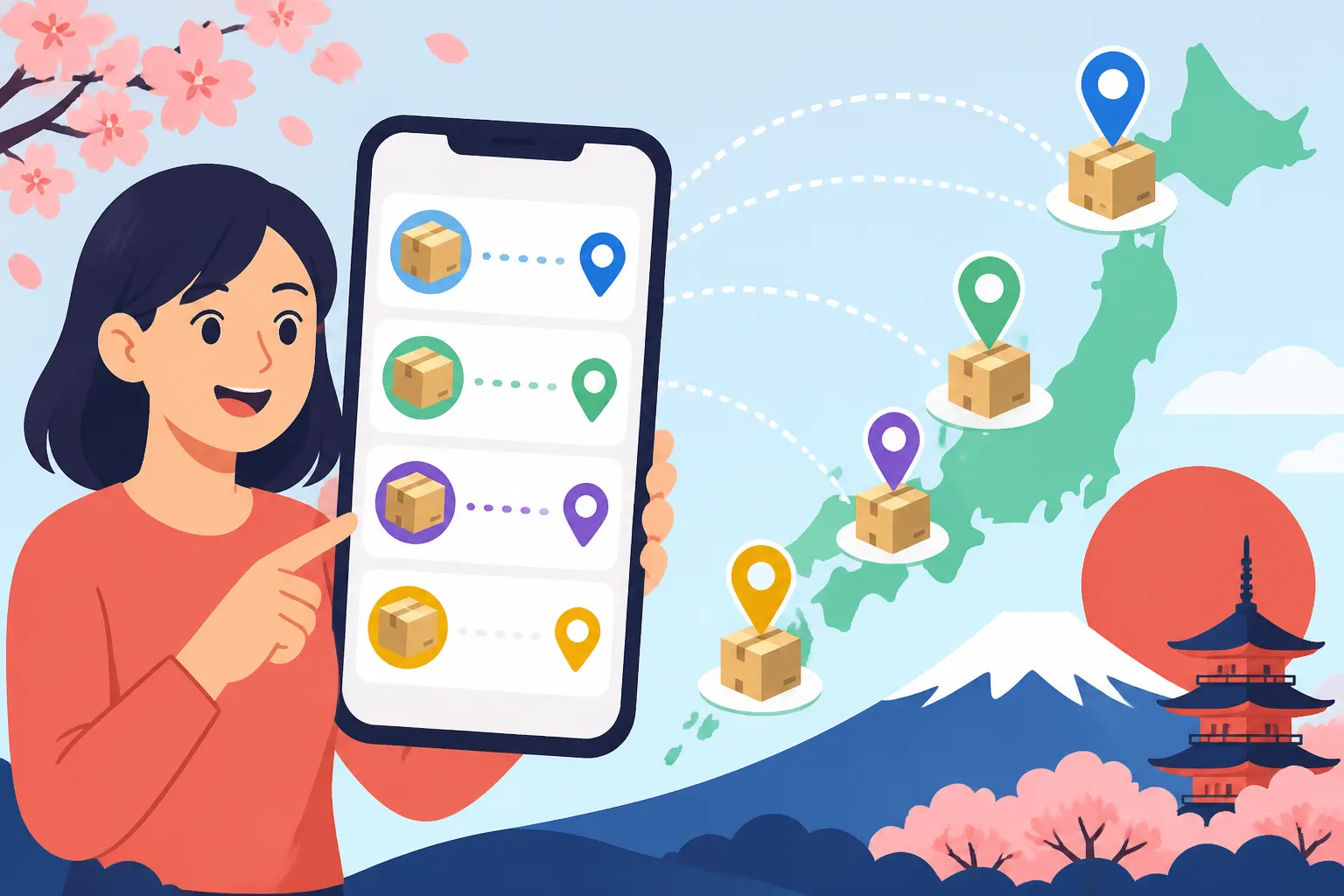
Ah, the thrill of finding those perfect, unique items from Japan! Whether you're a seasoned collector of obscure anime figures, a connoisseur of regional craft goods, or just someone furnishing their home with delightful Japanese finds, there's nothing quite like hitting "purchase" on multiple items from various Japanese online stores or auction sites. But then comes the logistical headache: how on earth do you keep tabs on all those packages? It can feel like herding cats across an ocean, with different sellers, different shipping methods, and a labyrinth of tracking numbers. This guide is for you, my friend. We're going to break down how to effectively track multiple Japan orders at once, transforming that anxious wait into a smoothly managed anticipation.
Disclosure: This post may contain affiliate links. We may earn a commission at no extra cost to you if you make a purchase through these links. Read full disclosure.
The Headache of Multiple Tracking Numbers
Let's be honest, managing a single overseas parcel can be stressful enough. Now multiply that by five, ten, or even twenty items coming from various corners of Japan. It’s a recipe for confusion, lost sleep, and endless refreshing of different websites. You're not alone in feeling this frustration – it's a rite of passage for any serious Japanophile.
Why Tracking Multiple Japan Orders is a Challenge
The complexity arises from several factors. First, you're often dealing with a mix of carriers. One item might ship via Japan Post's EMS (Express Mail Service), another via standard Airmail, a third from a private courier like DHL or FedEx, and a fourth via economy SAL. Each of these has its own tracking system, its own level of detail, and its own update cadence. If you're using a forwarding service directly, you might even have multiple Japanese domestic tracking numbers initially, before they even get to the international leg.
For example, imagine you snagged a rare vinyl record on a niche Japanese music site, a couple of beautiful ceramic bowls from an Etsy-like platform, and a new lens for your camera from a second-hand online shop. That’s at least three separate sellers, likely using different domestic shipping methods to get the items to your proxy's warehouse, and then potentially different international methods from the proxy to your doorstep. That’s a lot of individual tabs to keep open in your browser, and a lot of different interfaces to learn, often battling a language barrier on top of it all.
Common Tracking Pitfalls and Language Barriers
One of the biggest hurdles, especially for those new to shopping directly from Japanese sites, is the language. While many major international carriers offer English tracking pages, the initial domestic leg within Japan or some smaller local courier sites might be entirely in Japanese. You'll see terms like 郵便物等引受 (Yuubutsu-tō Hikiuke – Acceptance) or 国際交換局から発送 (Kokusai Kōkankyoku kara Hassō – Dispatch from outward office of exchange), and without context, it can be mystifying. Even with Google Translate, the exact meaning or implication of a status update might not be immediately clear.
Then there are the vague updates, or sometimes, no updates at all for extended periods. You might see a package "dispatched from international exchange office" and then… silence. For days, or even weeks. This is particularly common with slower, more economical shipping methods. Is it stuck in transit? Held up at customs in your home country? Did it fall into the Bermuda Triangle of parcels? This uncertainty is where the anxiety truly kicks in. The fear of lost or misrouted packages is a real one, especially when you've invested significant time and money into acquiring those unique Japanese treasures.
Leveraging Your Proxy Service's Dashboard for Consolidated Tracking
This is where proxy services like Buyee and ZenMarket truly shine. They act as your personal shopping assistant and virtual warehouse in Japan, dramatically simplifying the tracking process once your items arrive at their facilities.
How Proxy Services Centralize Your Purchases
A good proxy service is designed to be a one-stop shop for your overseas purchases. Instead of juggling a dozen individual sellers and their preferred domestic shipping methods, you send everything to your proxy's Japanese address. As each item arrives at their warehouse, it's logged into your personal dashboard. This dashboard becomes your central hub for all your incoming items.
Imagine you've bought items from Yahoo Auctions, Mercari Japan, and a few niche online stores. As each item gets delivered to the proxy warehouse, you'll see it appear in your My Page or equivalent section on the service's website. They'll typically assign an internal identifier to each item and often provide photos so you can confirm the correct goods have arrived. This is incredibly reassuring, giving you a visual check that your items are safe and sound.
For instance, Buyee has a clear "My Page" where you can see all your purchased items, their status (e.g., "Arrived at Warehouse," "Waiting for Consolidation"), and their respective internal tracking numbers. Similarly, ZenMarket's dashboard provides an overview of your orders, indicating when they've been purchased, arrived at the warehouse, and are ready for further action. This consolidation of information into a single, user-friendly interface is the first, crucial step in taming the multi-order tracking beast. When you're dealing with multiple items from disparate sources, having this organized view is invaluable.
Step-by-Step: Consolidating and Shipping with a Proxy
The beauty of a proxy service isn't just in the initial aggregation, but in the final, consolidated shipment. This is where multiple disparate purchases transform into a single, internationally trackable package.
- Purchase and Item Arrival: You buy items from various Japanese online platforms. Each item is shipped domestically to your proxy service's warehouse. As they arrive, they're registered on your dashboard.
- Request Consolidation: Once all your desired items have arrived at the warehouse (or a selection you want to ship together), you request "package consolidation." This means the proxy service will take all your individual items and pack them into one larger box. This not only simplifies tracking but often saves you a significant amount on international shipping fees compared to sending each item separately.
- Choose Shipping Method: After consolidation, you select your preferred international shipping method (e.g., EMS, DHL, FedEx, Surface Mail). This choice will determine the speed, cost, and the specific international courier used.
- Receive Final Tracking Number: This is the magic moment! Once your consolidated package is dispatched, the proxy service will provide you with a single, unique international tracking number. This one number now represents all the items you’ve bundled together. From this point on, you only need to track this one number to monitor the entire shipment.
Services like Buyee and ZenMarket make this process incredibly intuitive. They guide you through each step on their platform, ensuring you can easily manage your consolidated shipments. This single tracking number for a multi-item shipment is the ultimate solution for keeping track of multiple Japan orders without losing your mind. If you’re serious about importing from Japan, understanding How Japan Forwarding Services Work: Shipping, Fees, and Customs is absolutely essential.
External Tools and Strategies for Beyond the Proxy Dashboard
While your proxy service does a fantastic job of centralizing your items, once that international tracking number is generated, you might want to use external tools for an even more streamlined tracking experience, especially if you have other packages from different countries or direct shipments.
Universal Package Trackers for Global Shipments
For those who regularly order internationally, or even just want a single pane of glass for all their deliveries, universal package tracking websites and apps are a godsend. These platforms can track parcels from a vast number of carriers worldwide, often automatically detecting the carrier from the tracking number alone.
Some popular options include:
- 17TRACK: A veteran in the game, 17TRACK supports over 1,700 carriers globally. You can enter multiple tracking numbers at once and get updates in a clean interface. It's often the go-to for many international shoppers.
- ParcelApp (Parcel Monitor): Another robust option, ParcelApp offers tracking for hundreds of carriers and provides email or push notifications for updates. It's quite user-friendly.
- AfterShip: This service is widely used by e-commerce businesses but also offers a public tracking page. It's known for its comprehensive carrier support and timely notifications.
The main benefit of these tools is that you don't need to remember which courier handles which package. You just paste your consolidated tracking number (or any other international tracking number you have), and the tool does the rest. This is especially helpful if you're also waiting on packages from other regions besides Japan.
Here’s a quick comparison of some popular universal tracking tools:
| Feature | 17TRACK | ParcelApp (Parcel Monitor) | AfterShip |
|---|---|---|---|
| Carrier Support | 1,700+ worldwide | 800+ worldwide | 1,000+ worldwide |
| Multi-Tracking Input | Yes | Yes | Yes |
| Automatic Carrier Detect | Yes | Yes | Yes |
| Email Notifications | Yes (with account) | Yes (with account) | Yes (with account) |
| Mobile App | Yes (iOS, Android) | Yes (iOS, Android) | Yes (iOS, Android) |
| Ad-Supported | Yes (website) | Minimal | Minimal |
| Cost | Free for basic tracking | Free for basic tracking | Free for basic tracking |
| Best For | Comprehensive global coverage, power users | Clean interface, robust notifications | Businesses, reliable updates |
Organizing Your Tracking Information Effectively
Even with these fantastic tools, a little personal organization goes a long way. When you're tracking several shipments, whether they're consolidated proxy orders or direct purchases, having a system is key.
- Dedicated Spreadsheet or Notes App: Create a simple spreadsheet (Google Sheets, Excel) or use a notes app (Evernote, Notion, Apple Notes) to list:
- Order Date: When you purchased the item.
- Item Description: What you bought (e.g., "Yamazaki 12 Year Old Whisky," "Limited Edition Anime Figure").
- Seller/Store: Where you bought it from (e.g., "Yahoo Auctions via Buyee," "Niche Japanese Craft Site via ZenMarket").
- Proxy Service (if applicable): Which service you used.
- Internal ID/Warehouse ID: The proxy's internal reference number.
- International Tracking Number: The main number you'll be using.
- Shipping Method: EMS, DHL, Surface Mail, etc.
- Estimated Delivery Date: A ballpark figure based on the shipping method.
- Current Status: Quick notes from your tracking updates.
- Notes: Any issues, communications, or special instructions.
This central repository allows you to quickly glance at the status of all your orders without having to log into multiple sites. When you're managing multiple overseas shipments, especially if you also want to know How to Estimate Shipping Costs from Japan or are comparing Best Japan Proxy Shopping Services Compared, this kind of detailed record keeping is a game-changer.
-
Email Folders & Filters: Create a dedicated email folder for all your Japan-related purchases and shipping notifications. Set up filters to automatically move emails from your proxy service (Buyee, ZenMarket) and various carriers into this folder. This keeps your main inbox clutter-free while ensuring you can easily find past communications and tracking updates when needed.
-
Calendar Reminders: For high-value or time-sensitive items, set calendar reminders for when you expect updates or delivery. This can help you proactively check tracking or contact support if a package seems unusually delayed.
By combining the power of proxy service dashboards with external universal trackers and good old-fashioned personal organization, you'll feel much more in control of your incoming Japanese treasures.
Proactive Measures and Troubleshooting Common Issues
Even with the best tracking systems, hiccups can happen. Knowing how to troubleshoot and when to reach out for help is crucial when navigating international shipments.
Communicating with Your Proxy Service
Your proxy service is your primary point of contact for anything related to your order while it's in Japan or during its international transit. Don't hesitate to reach out to them if you encounter issues.
-
When to Contact Support:
- Significant Delays: If a domestic package to their warehouse seems stuck, or if your international shipment hasn't updated for longer than expected (e.g., more than a week for express, or several weeks for economy).
- Incorrect or Damaged Items: If, upon viewing the warehouse photos, you notice a wrong item was sent or something looks damaged. Report this before consolidation and international shipping.
- Lost Packages: If the tracking clearly indicates a package is lost, or if it hasn't arrived long after the expected delivery window.
- Customs Queries: If your local customs office contacts you for more information and you need details from the seller or proxy.
-
Importance of Clear Communication: Always be polite, concise, and provide all relevant information: order numbers, internal IDs, item descriptions, and the exact tracking number in question. Most major proxy services have English-speaking support, but clarity is always appreciated. They often act as the intermediary between you and Japan Post or other Japanese domestic carriers, which is incredibly helpful.
What to Do When a Package Seems Stuck or Lost
The dreaded "stuck in transit" status is a common fear. Here's how to approach it:
- Check All Tracking Systems: First, double-check both your proxy dashboard (if applicable) and a universal tracker like 17TRACK. Sometimes one system updates before another. Also, check the specific carrier's website (e.g., Japan Post's tracking, DHL, FedEx) directly, as they often have the most granular details.
- Understand Common Delays:
- Customs: International packages frequently experience delays at customs in both Japan and your home country. This can be for routine inspections, or if they require additional information or duties payment.
- Weather/Natural Disasters: Typhoons, heavy snow, or other natural events in Japan or along the shipping route can cause significant delays.
- Peak Seasons: Holidays like Golden Week, Obon, New Year's in Japan, or major shopping seasons like Black Friday globally, can overwhelm postal services.
- Shipping Method: Slower methods like Surface Mail can take months, and updates are infrequent.
- Wait a Reasonable Period: For express shipping (EMS, DHL, FedEx), wait 7-10 business days beyond the latest estimated delivery. For standard airmail, give it 2-3 weeks. For Surface Mail, you might need to wait 2-3 months.
- Contact Your Proxy Service/Seller: If the package is still stuck after a reasonable waiting period, contact your proxy service (if you used one) or the original seller (if it was a direct shipment). Provide all the details you've meticulously kept in your spreadsheet.
- Filing a Claim: If the package is confirmed lost and you purchased shipping insurance (highly recommended for valuable items, and usually an option through proxy services like Buyee or ZenMarket), your proxy will guide you through the claims process. This can be lengthy, but patience is key. Remember, services like SafetyWing also offer travel and health insurance that can sometimes cover lost luggage, but specific parcel insurance is what you need here.
Understanding Japan Post Tracking Statuses
When you receive a tracking number from Japan, especially for items shipped via Japan Post (EMS, Airmail, SAL), you'll encounter specific Japanese terms. While universal trackers translate these, knowing the original can help you interpret the status more accurately and communicate better if needed.
Deciphering Common Japanese Tracking Updates
Here’s a breakdown of some frequent Japan Post tracking statuses and what they generally mean:
| Japanese Status | Romaji Transliteration | English Translation | What it Means for You |
|---|---|---|---|
| 郵便物等引受 | Yuubutsu-tō Hikiuke | Acceptance | Japan Post has received your package. It's in their system. |
| 国際交換局に到着 | Kokusai Kōkankyoku ni Tōchaku | Arrival at Outward Office of Exchange | Your package has arrived at an international sorting facility in Japan. |
| 国際交換局から発送 | Kokusai Kōkankyoku kara Hassō | Dispatch from Outward Office of Exchange | Your package has left Japan and is on its way to your country. |
| 国際交換局に到着 | Kokusai Kōkankyoku ni Tōchaku | Arrival at Inward Office of Exchange | Your package has arrived in your country and is at a customs/sorting facility. |
| 通関手続中 | Tsūkan Tetsuzuki-chū | Held by Customs | Your package is undergoing customs clearance in your country. This can take time. |
| 保管 | Hokan | Held for Storage / Retention | Your package is being held, possibly due to a holiday, an issue with delivery, or awaiting customs payment. You might need to contact your local postal service. |
| 税関手続中 | Zeikan Tetsuzuki-chū | Customs Clearance in Progress | Similar to "Held by Customs," specifically for customs procedures. |
| 配達準備中 | Haitatsu Junbi-chū | Preparing for Delivery | Your package is at your local delivery office and will be out for delivery soon. |
| ご不在のため持ち帰りました | Gofuzai no tame mochikaerimashita | Unsuccessful Delivery (Absent) | Delivery was attempted, but no one was home. Check for a notice and arrange redelivery. |
| お届け済み | Otodoke-zumi | Delivery Complete | Your package has been delivered! |
Understanding these statuses will give you a clearer picture of where your package is and what might be happening, even if the automatic translation is a little clunky. For a deeper dive into these nuances, particularly if you're navigating complex shipping issues, a glossary of terms can be highly beneficial. Knowing these basic terms can ease a lot of the stress when you're tracking that precious box of goodies coming all the way from Japan.
Disclaimer
The information provided in this guide is for general informational purposes only and does not constitute professional advice. While we strive to keep the information accurate and up-to-date, rules, regulations, and services can change. Always verify current policies and procedures with the relevant authorities, such as proxy services, shipping carriers, and customs offices, for the most accurate and personalized guidance. We are not responsible for any actions taken based on the information in this guide.





