How to Buy Japanese Goods During Black Friday and Sales
Ah, the thrill of snagging a fantastic deal on those unique Japanese items you’ve been eyeing! It’s a common expat lament – seeing amazing sales pop up in Japan, only to realize that most domestic online stores don't even think about international shipping. If you’ve ever felt that pang of missing out, you’re in the right place. This guide will walk you through the nuances of Japanese sales seasons, including the burgeoning Black Friday phenomenon, and how to leverage proxy services to get those coveted goods delivered right to your door, no matter where you are in the world.
Disclosure: This post may contain affiliate links. We may earn a commission at no extra cost to you if you make a purchase through these links. Read full disclosure.
Understanding Japan's Sales Calendar Beyond Black Friday
When you live abroad, it's easy to assume global sales events like Black Friday hit everywhere with the same intensity. But let me tell you, Japan has its own rhythm when it comes to discounts, and it’s a beat you need to understand to truly master the art of shopping here.
The Myth of a Single Black Friday Equivalent
First off, let's dispel a common misconception: Black Friday in Japan isn't the same chaotic, store-door-busting event you might imagine from North America or Europe. For the longest time, "Black Friday" wasn't even a thing here. It's a relatively new, imported concept that major retailers have slowly started to adopt, mostly influenced by global e-commerce trends. You'll find some participation from big players like Amazon Japan, Rakuten, and even some electronics chains or clothing brands, but it's rarely a nationwide frenzy.
Don’t expect the entire country to shut down for shopping or for every single store to slash prices by 70%. Instead, Black Friday is often just one of many sales events in Japan, perhaps with slightly better online deals, but not necessarily the best overall. It's growing, certainly, but it's definitely still playing second fiddle to more traditional Japanese sales periods.
Key Seasonal Sales Events in Japan
If you’re waiting for just one big sale, you’re going to miss out! Japan has a rich calendar of discount periods that are far more ingrained in its shopping culture. Knowing these can help you plan your purchases strategically.
The most famous and anticipated sale event is hands down the New Year's Fukubukuro (lucky bag) frenzy. This is where stores, from high-end department stores to local boutiques, sell mystery bags filled with items at a steep discount, often 50-70% off their combined retail value. The thrill is in the unknown, and some popular fukubukuro, especially from coveted fashion or cosmetics brands, sell out online within minutes on New Year's Day. If you're physically in Japan, you'll see queues wrapping around blocks for these!
Beyond fukubukuro, here are other significant sales to keep an eye on:
- Golden Week Sales (Late April/Early May): This major holiday week often sees retailers offering promotions, especially for travel-related goods, outdoor gear, and early summer fashion. It's a time when many Japanese families travel, so consumer spending typically gets a boost, and retailers respond.
- Summer Sales (July/August): This is a huge one for fashion, electronics, and home goods. As the scorching summer peaks, stores clear out spring/summer inventory to make way for autumn collections. Discounts can be significant, particularly towards late July and early August.
- Winter Sales (Late December/January): Following the New Year's fukubukuro, the general winter sales kick off, lasting through January and sometimes into early February. This is a great time to grab winter clothing, accessories, and electronics as stores prepare for spring.
- Online-Specific Sales: E-commerce platforms have their own dedicated mega-sales. Rakuten Super Sale and Amazon Prime Day (if you’re a Prime member) are prime examples, offering flash deals and significant discounts across a vast array of products. Yahoo! Shopping also has various festivals throughout the year with competitive pricing.
To give you a clearer picture, here’s a quick overview of some of the major sale seasons:
| Sale Event | Typical Period | Common Items on Sale | Notes |
|---|---|---|---|
| New Year's Fukubukuro | January 1st onwards | Fashion, cosmetics, electronics, home goods, food | Mystery bags, huge discounts, often sell out fast. |
| Golden Week Sales | Late April – Early May | Travel goods, outdoor gear, spring fashion | Coincides with a major national holiday period. |
| Summer Sales (Bargain) | July – August | Summer fashion, electronics, appliances | Clear out for autumn inventory. |
| Black Friday/Cyber Monday | Late November | Electronics, fashion, Amazon/Rakuten specific | Growing in popularity, primarily online. |
| Winter Sales | Late Dec – Early Feb | Winter clothing, heating appliances, electronics | End-of-season clearance. |
| Amazon Prime Day | Mid-July (usually) | Electronics, home goods, Amazon-exclusive deals | Requires Amazon Prime membership. |
| Rakuten Super Sale | Multiple times a year | Wide range of products, points-back campaigns | Focus on points accumulation as much as discounts. |
It's clear that while Black Friday is gaining traction, it’s just one piece of a much larger, and often more traditional, Japanese sales pie. If you're serious about getting those deals, you need to think beyond just one day in November.
The Essential Role of Proxy Services for International Shoppers
Now, here's the kicker: even if you nail down the perfect Japanese sale event and find that dream item, many Japanese stores simply don't offer international shipping. This is where the magic of proxy shopping services comes in.
Why You Need a Proxy Service
Living outside Japan, you often run into a frustrating wall when trying to purchase from Japanese online shops. Most local retailers, from small independent boutiques to major chains, are set up to serve a domestic market. This means they often:
- Don't ship internationally: Their shipping systems are designed for Japan-only addresses.
- Only accept Japanese payment methods: You might find your foreign credit card rejected or they might require local bank transfers.
- Have Japanese-only websites: Navigating descriptions, product details, and checkout processes can be a linguistic minefield.
- Limited stock or exclusive items: Many highly sought-after goods, special collaborations, or limited-edition releases are only sold within Japan, sometimes even requiring a Japanese address for a lottery system.
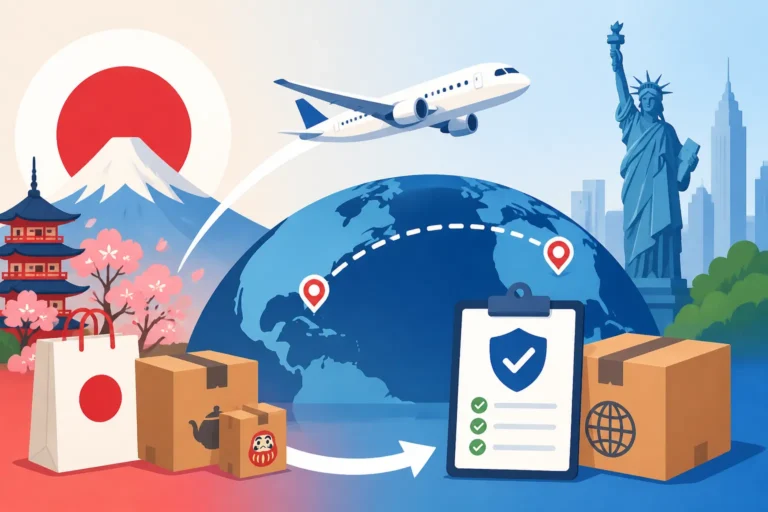
A proxy service acts as your personal shopper and shipping agent in Japan. They provide you with a local Japanese address, make purchases on your behalf (using their local payment methods), and then receive, store, and eventually ship your items to your international address. Think of them as your friendly, super-efficient middleman! Brands like Buyee and ZenMarket are lifesavers for expats and international shoppers who crave access to the Japanese market. They essentially dismantle these barriers, allowing you to shop almost as if you were physically in Japan.
How Proxy Shopping Unlocks Sales Opportunities
Once you've got a reliable proxy service in your corner, the world of Japanese sales opens up. The process generally looks something like this:
- Find your item: Browse Japanese online stores, from big retailers like Rakuten and Amazon Japan to niche sites, knowing that a proxy can handle the purchase. Don't forget marketplaces like Mercari and Yahoo Auctions, which are treasure troves for unique and second-hand items.
- Submit a purchase request: Copy the product URL into your chosen proxy service (e.g.,
BuyeeorZenMarket). They’ll calculate the cost including their service fees and domestic shipping. - Proxy purchases the item: Once you confirm and pay, the proxy service buys the item on your behalf.
- Item arrives at their warehouse: Your item is shipped to the proxy service's Japanese warehouse.
- Consolidate (optional but recommended!): This is where you save big. If you've bought multiple items from different stores or at different times, the proxy can combine them into a single, larger package. This drastically reduces international shipping costs compared to shipping each item individually. You can read more about how package consolidation saves money in Japan by checking out our guide on that very topic.
- International shipping: You select your preferred international shipping method (EMS, DHL, FedEx, surface mail – each has its pros and cons in terms of speed and cost), and the proxy sends it your way. Knowing the various Japan Shipping Methods Explained is really helpful here.
This method gives you access to the same lightning-fast deals that Japanese residents enjoy. Imagine snagging a limited-edition anime figure from a tiny online shop that would never, ever ship overseas, or winning a rare vintage item on Yahoo Auctions Japan during a special sale period. With a proxy service, these aren’t just dreams; they’re shopping realities.
Strategies for Maximizing Savings During Japanese Sales
Just having a proxy service isn't enough; you need a game plan. Strategic shopping during Japanese sales can lead to incredible finds and substantial savings.
Pre-Sale Research and Planning
Preparation is absolutely key. Sales in Japan, especially popular ones like fukubukuro, can be incredibly competitive.
- Create a Wish List: Identify the specific items or brands you're targeting. Knowing what you want beforehand prevents impulse buys and helps you act fast.
- Track Prices: Use price comparison websites like Kakaku.com (even if you need a translator) to see if a "sale price" is genuinely a good deal or just marketing fluff. Some stores might inflate prices before a sale to make the discount seem larger.
- Sign Up for Newsletters: Many Japanese online stores send out email newsletters announcing upcoming sales. Google Translate can help you decipher these, giving you a head start.
- Set Alerts: Some proxy services or browser extensions allow you to set alerts for specific items or price drops on Japanese websites. This way, you're notified the moment your desired item hits a sale.
Navigating Japanese E-commerce Giants and Marketplaces
While physical stores have sales, the real international shopper's paradise is online.
- Rakuten and Amazon Japan: These are your go-to platforms. While Amazon Japan offers its own Prime Day and various seasonal deals, Rakuten is known for its "Rakuten Super Sale" events several times a year, often featuring massive point-back campaigns alongside discounts. Points in Japan are like gold, so if you can use a proxy that helps you earn points (or you have a Japanese friend who does!), that's an added bonus. Learning how to buy from Rakuten Japan internationally through a proxy is a must.
- Mercari and Yahoo Auctions: Don't underestimate the power of second-hand markets during sales periods! Even used items can see price drops as sellers try to clear inventory. These platforms are fantastic for unique, vintage, or rare items that might not be available new anymore. Services like
BuyeeandZenMarketspecialize in making it easy to buy from Mercari Japan from overseas and navigate Yahoo Auctions Japan. The ability to bid on items or instantly purchase on Mercari means you can often find fantastic deals on gently used goods. - Brand-Specific Websites: Many fashion, beauty, and hobby brands have their own official online stores. These often run exclusive sales that aren't available on larger platforms. For example, a popular Japanese skincare brand might have a flash sale on its own site, or a niche stationery company might offer a discount on limited-edition pens.
Consolidating Shipments and Managing Costs
Once you've made your purchases, the next critical step is managing your shipping efficiently to ensure those savings aren't eaten up by exorbitant delivery fees.
- Package Consolidation: As mentioned, this is huge. Most proxy services allow you to store multiple purchases at their warehouse for a period (often free for a certain number of days). Once all your items arrive, you can request them to be combined into one box. This significantly reduces your shipping weight and volume, leading to lower costs. It’s definitely worth understanding how to combine orders from multiple Japanese stores.
- Choose the Right Shipping Method:
- EMS (Express Mail Service): Generally fast and reliable, good for medium-sized packages.
- DHL/FedEx: Often faster than EMS, but can be more expensive, especially for smaller items. Great for urgent or high-value goods.
- Surface Mail (Boat Mail): The cheapest option, but it's slow. We're talking weeks to months. Only for non-urgent, heavy, non-fragile items where cost is your absolute top priority.
- To get a good idea of what each entails, check out our guide on Japan Shipping Methods Explained.
- Estimate Shipping Costs: Before you even buy, use the proxy service's shipping calculator (if available) to get a rough estimate. This helps you factor in the true "landed cost" of your item and avoid sticker shock. Our article on how to estimate shipping costs from Japan can provide more details.
- Be Aware of Customs and Duties: This is the big gotcha for international shopping. Depending on your country's import laws, you might have to pay customs duties and taxes on your imported goods. These aren't included in the item price or proxy shipping fee. Factor this into your budget to avoid unexpected charges. While proxy services handle the customs declaration paperwork, the payment is usually on you. Our resource on prohibited and restricted items when importing from Japan is also worth a look to avoid any surprises.
Practical Tips and Common Pitfalls
Even with the best planning, shopping internationally during sales can have its challenges. Being prepared for these can save you a lot of headaches.
Language Barriers and Translation Tools
Japanese websites are, well, in Japanese. While many major brand sites might have an English option, smaller stores or blog announcements about sales will likely be entirely in Japanese.
- Browser Extensions: Google Translate's browser extension is your best friend. It can translate entire web pages on the fly, making navigation much easier.
- Image Translation Apps: For images containing text (like sale banners or product labels), apps like Google Lens or Papago are invaluable. Just point your phone, and it translates the text in real-time.
- Learning Key Phrases: Even a few basic Japanese phrases for shopping or understanding discounts can go a long way. This also helps when communicating with your proxy service if there are specific instructions you need to relay.
It can be frustrating, for sure, trying to decipher complex product descriptions or sale conditions in a foreign language. But with modern translation tools, this barrier is far less formidable than it once was.
Payment Methods and Currency Exchange
When using a proxy service, you typically pay them in your local currency (or USD), and they handle the actual purchase in Japanese Yen. This simplifies things immensely, as you don't need a Japanese bank account or credit card.
- Currency Conversion Fees: Be mindful of the exchange rate your bank or credit card offers when paying your proxy service. These rates can fluctuate, and small fees can add up. Some proxy services might offer slightly less favorable exchange rates as part of their business model.
- Payment Options: Most proxy services accept major international credit cards, PayPal, and sometimes other digital payment methods.
The Time Crunch: Act Fast!
Japanese sales can be ruthless. Popular items, especially fukubukuro or limited-edition collaborations, sell out in minutes. This is compounded by the time difference.
- Time Zone Awareness: If a sale starts at "midnight JST," make sure you know what time that is in your local zone. Set alarms!
- Pre-load Funds: If your proxy service uses a deposit system, make sure you have enough funds in your account before the sale starts. You don't want to miss a flash deal because your payment is still processing.
- Quick Decisions: Don't dither on highly sought-after items. If you want it, buy it. Chances are, someone else is eyeing it too.
It’s a different kind of shopping marathon than you might be used to, but with these tips, you’ll be well-equipped to navigate the thrilling world of Japanese sales. Whether it's a Black Friday deal or a traditional New Year’s fukubukuro, those coveted items are now within your reach.
Disclaimer
Please note that the information provided in this guide is for general informational purposes only and is subject to change. While we strive to keep our content up-to-date, visa regulations, local laws, and business practices in Japan can evolve. Always verify information with official sources or consult with appropriate professionals (e.g., immigration lawyers, tax advisors, real estate agents) for advice tailored to your specific situation. We are not responsible for any actions taken based on the information provided herein.