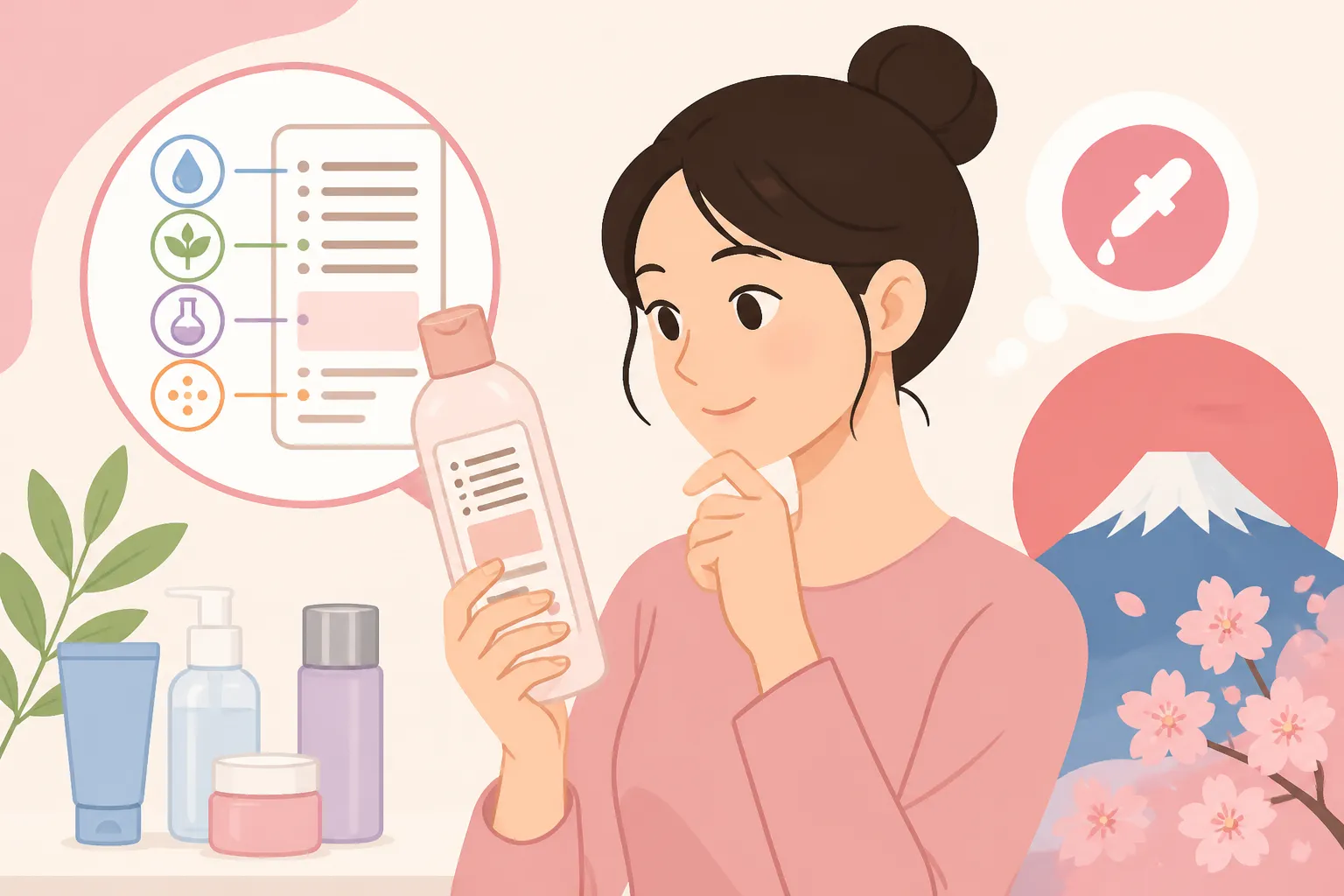
How to Read Japanese Skincare Labels
Alright, my fellow expats, let's be real for a moment. You walk into a Japanese drugstore, eyes wide with wonder at the sheer volume of dazzling J-beauty products, only to be hit with a wall of kanji. It’s like trying to decipher ancient hieroglyphs while simultaneously being overwhelmed by choice. You’re desperate to find that perfect moisturizer or the cult-favorite sunscreen everyone raves about, but everything just looks like beautiful, indecipherable art. This guide is here to cut through that confusion, giving you the insider tips and tricks to confidently read Japanese skincare labels and find exactly what your skin needs.
Disclosure: This post may contain affiliate links. We may earn a commission at no extra cost to you if you make a purchase through these links. Read full disclosure.
The Initial Confusion: Why Japanese Skincare Labels Feel Like Hieroglyphs
When you first land in Japan, even simple daily tasks can feel like a quest, and shopping for skincare is no exception. It’s not just about the beautiful packaging; it’s about understanding what’s inside and what it promises to do for your skin. The sheer volume of information, all in Japanese, can be incredibly daunting. But trust me, once you know a few key phrases and where to look, it all starts to click into place.
Decoding Basic Japanese Packaging Terms
The first hurdle is the language itself. Japanese writing uses a mix of three scripts: kanji (Chinese characters), hiragana (phonetic script for native Japanese words), and katakana (phonetic script for foreign words and emphasis). On skincare labels, you'll see all three. Katakana is often your friend for brand names or ingredients borrowed from English, but product types are usually in kanji or hiragana.
For instance, you'll quickly learn to recognize a few essential kanji combinations. "化粧水" (keshou-sui) is your toner or lotion – often a hydrating step after cleansing. If you’re looking for a milky emulsion, keep an eye out for "乳液" (nyuueki). Then there's "美容液" (biyou-eki), which generally refers to serums, packed with potent ingredients. These are your foundational product types. Getting these down is like learning the basic categories in a grocery store – it makes everything else so much easier. You might also see "クレンジング" (kurenjingu) for cleansers, often specified further as "オイル" (oiru – oil) or "フォーム" (foomu – foam). Remember, context is key. If you see "クリーム" (kuriimu), it's a cream. Simple, right? But the small details can sometimes trick you, like "ジェル" (jeru) for gel-based products, which can look similar on a quick glance if you're not paying attention.
Understanding Product Type and Function
Beyond just the basic product names, Japanese labels excel at communicating the function and benefits of a product, often through specific keywords. This is where you can really narrow down your search based on your skin concerns. Are you battling dryness? Look for "保湿" (hoshitsu), which means moisturizing or hydration. This is one of the most common terms you'll encounter, as hydration is paramount in Japanese skincare philosophy.
If you're aiming for a brighter complexion or to tackle dark spots, "美白" (bihaku) is your magic word. Now, a quick cultural note: "bihaku" translates directly to "beautiful white," which can be a bit jarring for those from cultures where skin lightening is a sensitive topic. However, in Japan, it generally refers to brightening, evening skin tone, and reducing hyperpigmentation, not necessarily drastic skin bleaching. Many beloved J-beauty brands like Hada Labo and Melano CC clearly emblazon their products with "美白" when they contain ingredients like Vitamin C or arbutin, indicating their brightening properties. For fighting the signs of aging, "アンチエイジング" (anchi-eijingu) or "エイジングケア" (eijingu kea) will be prominently displayed, often alongside mentions of collagen or retinol alternatives.
Navigating the Front of the Package: Key Information
The front of a Japanese skincare package isn't just for pretty pictures; it's a condensed information hub. After identifying the product type and its main function, you’ll want to look for crucial details like "無香料" (mukouryou – fragrance-free) or "無着色" (muchakushoku – no artificial colors). For those with sensitive skin, these phrases are non-negotiable lifesavers. Many Japanese formulations pride themselves on being gentle, so these terms are frequent and a good sign.
Sunscreen labels are a whole beast of their own, but thankfully, they use universal symbols. You’ll always see the "SPF" (Sun Protection Factor) and "PA" ratings. SPF measures protection against UVB rays (which cause sunburn), while PA measures protection against UVA rays (which cause aging and long-term damage). You'll see PA followed by plus signs, like PA+++ or PA++++. The more plus signs, the higher the UVA protection. This is crucial information, especially if you're trying to find a strong daily sunscreen. If you want to dive deeper, we have a detailed guide on What Does PA+++ Mean on Japanese Sunscreen? that might help.
Digging Deeper: The Ingredients List and Beyond
Once you've grasped the basics of the front label, it's time to flip the product over and face the real challenge: the ingredients list. This is where most foreigners throw their hands up in exasperation, and I don't blame them. It's a wall of text, often in tiny print, all in Japanese. But with a bit of patience and the right tools, you can unearth some real gems.
The Elusive Ingredients List (成分表示)
The ingredients list, or "成分表示" (seibun hyouji), is usually found on the back of the packaging. Japanese regulations, much like those in many other countries, require ingredients to be listed in descending order of concentration, with ingredients making up less than 1% of the formula sometimes listed in any order. This means the first few ingredients are the heavy hitters. The challenge, of course, is that they are all in Japanese.
However, you'll start to recognize common ingredients in katakana or specific kanji once you know what to look for. For example, "ヒアルロン酸" (hiaruron-san) is hyaluronic acid, a superstar hydrator. "セラミド" (seramido) are ceramides, essential for a healthy skin barrier. And of course, "コラーゲン" (koragen) is collagen, known for its plumping effects. These are your friends if you're trying to identify specific beneficial compounds. High-end brands like SK-II often highlight their proprietary ingredients like "ピテラ" (Pitera) on the front, but the full chemical name will be in the ingredients list, usually a complex string of characters. If you're interested in understanding more about these, check out our guide on Japanese Skincare Ingredients to Know: Rice, Sake, and Collagen. It's a great way to start building your internal glossary.
Reading Expiration Dates and Batch Codes
Here’s another point of difference that can trip up new expats: explicit "expiration dates" are not as common on Japanese skincare as they might be in Western products. Unless a product is highly unstable or meant to be used within a very short timeframe (like some fresh masks), you won't often see a clear "EXP" date printed on the bottle. This doesn't mean the product lasts forever! Japanese manufacturers focus on freshness and quality, implying that products are typically good for about three years from the manufacturing date if unopened, and generally 6-12 months once opened.
Instead of an expiration date, you'll often find a "製造ロット番号" (seizou rotto bangou) or batch code. This is usually a series of letters and numbers printed somewhere on the bottom of the product or the box. While not easily decipherable into a direct manufacturing date without a specific decoder for each brand (which, let's be honest, most of us don't have access to), it's there for quality control. My advice? Write the date you opened the product on the bottle with a permanent marker. This habit has saved me from using questionable moisturizers more times than I can count!
Understanding Certifications and Claims
Beyond ingredients, Japanese labels contain certain classifications and claims that are good to know. One important term is "医薬部外品" (iyakubugaihin), which translates to "quasi-drug." This isn't a medical drug, but it means the product contains active ingredients in effective concentrations to prevent issues like acne, skin roughness, or whitening, and its efficacy has been recognized by the Ministry of Health, Labour and Welfare. It’s a step up from regular cosmetics, indicating more targeted benefits.
You'll also frequently see claims like "パッチテスト済み" (patchi tesuto-zumi – patch-tested) or "アレルギーテスト済み" (arerugii tesuto-zumi – allergy-tested). It's important to understand these are not guarantees of no reaction, but rather that the product has undergone testing to minimize the risk of irritation. They’re good signs, especially if you have sensitive skin, but always patch-test new products yourself! Other common phrases include "肌に優しい" (hada ni yasashii – gentle on skin) or "低刺激" (tei shigeki – low irritation), reinforcing the focus on mild formulations.
Practical Strategies for Smart Japanese Skincare Shopping
Navigating the world of Japanese skincare labels might feel like a never-ending language lesson, but there are some super practical strategies you can employ to make your shopping experience much smoother and more successful. Remember, you're not alone in this expat struggle!
Leveraging Online Resources and Expat Communities
In this day and age, technology is your best friend when it comes to decoding foreign labels. Before you even step foot into a store, or while you're standing bewildered in the aisle, pull out your phone. Google Lens is a lifesaver – just point your camera at the text, and it'll give you a real-time translation. It might not be perfect, but it’s usually enough to grasp the general idea.
Beyond instant translation, there are fantastic online resources tailored for those of us living abroad or interested in Japanese beauty. Websites like YesStyle and The JBeauty Collection are absolute goldmines. They specifically cater to international customers and often provide comprehensive English translations of product descriptions and full ingredient lists. You can research products thoroughly before buying, read reviews from other expats, and even discover new brands. These platforms essentially do the heavy lifting of label translation for you, making your shopping experience seamless. Don't forget to tap into expat communities on Facebook groups or forums. Someone has usually tried that intriguing bottle you're eyeing and can share their experience or help decode a particularly tricky label!
Shopping at Drugstores and Department Stores
Where you shop can also influence how easy it is to decode labels. Japanese drugstores, like Matsumoto Kiyoshi, Don Quijote, or Welcia, are phenomenal places to discover affordable and effective J-beauty. While staff might not always speak English, the product displays are often quite visual, and with your newfound knowledge of key terms, you’ll be able to spot "美白" or "保湿" from a mile away. Sometimes, popular products aimed at foreigners will even have small English stickers or pamphlets.
For high-end Japanese brands like Shiseido or Kanebo, a trip to a department store beauty counter (think Isetan, Takashimaya, or Daimaru) can be incredibly helpful. These counters are more likely to have bilingual staff who can explain product benefits, ingredients, and usage in detail. They often have English brochures or even entire lines specifically marketed towards international customers, making your life much easier. Don't be shy – approach a staff member and ask for help! You might also be able to get samples (試供品 – shikyouhin) to try the product before committing, which is always a smart move, especially for higher-priced items. Speaking of shopping, if you're looking for where to start your beauty retail adventure, check out our guide on Best Japanese Beauty Stores in Tokyo.
Building Your Personal J-Beauty Lexicon
Ultimately, the more time you spend in Japan and immersed in its culture, the more comfortable you'll become with reading labels. Think of it as building your own personal J-beauty lexicon. Start by memorizing the most common product types (toner, emulsion, serum, cream) and your primary skin concerns (moisturizing, brightening, anti-aging).
Focus your learning on what matters most to your skin. If you have dry skin, for example, really hone in on recognizing "保湿" (hoshitsu) and common hydrating ingredients. Our article on Best Japanese Skincare for Dry Skin lists many such products, and familiarizing yourself with those labels can really accelerate your learning. Before you know it, those once-intimidating kanji characters will start to jump out at you, and you'll be confidently navigating the aisles like a seasoned J-beauty pro. It’s a learning curve, but a rewarding one, leading you to some truly incredible skincare discoveries!
Common Japanese Skincare Label Terms
Here’s a quick reference table for some of the most common terms you’ll encounter:
| Japanese Term (Kanji/Katakana) | Romanization | English Meaning | Product Type/Feature |
|---|---|---|---|
| 化粧水 | Keshou-sui | Lotion / Toner | Hydrating step after cleansing |
| 乳液 | Nyuueki | Emulsion | Lightweight moisturizer |
| 美容液 | Biyou-eki | Serum / Essence | Concentrated treatment |
| クリーム | Kuriimu | Cream | Richer moisturizer |
| クレンジング | Kurenjingu | Cleansing | Cleansing product |
| 洗顔料 | Sen'gan-ryou | Face Wash | Facial cleanser |
| 日焼け止め | Hiyake-dome | Sunscreen | Sun protection |
| パック | Pakku | Mask | Sheet mask or wash-off mask |
| 保湿 | Hoshitsu | Moisturizing / Hydrating | For dry skin, adds moisture |
| 美白 | Bihaku | Brightening / Whitening | For dark spots, uneven tone, radiance |
| アンチエイジング | Anchi-eijingu | Anti-aging | For fine lines, wrinkles, firmness |
| 低刺激 | Tei shigeki | Low Irritation | Suitable for sensitive skin |
| 無香料 | Mukouryou | Fragrance-free | No added fragrance |
| 無着色 | Muchakushoku | No artificial colors | No added artificial dyes |
| 医薬部外品 | Iyakubugaihin | Quasi-drug | Regulated for specific active ingredients and claims |
| 成分表示 | Seibun hyouji | Ingredients List | List of components in the product |
| ヒアルロン酸 | Hiaruron-san | Hyaluronic Acid | Hydrating ingredient |
| セラミド | Seramido | Ceramide | Skin barrier supporting ingredient |
| コラーゲン | Koragen | Collagen | Plumping and firming ingredient |
| ピテラ | Pitera | Pitera (SK-II exclusive) | Fermented yeast extract |
| パッチテスト済み | Patchi tesuto-zumi | Patch-tested | Product tested for skin compatibility |
Disclaimer
The information provided in this article is for general informational purposes only and does not constitute professional advice. While we strive to provide accurate and up-to-date information, label regulations and product formulations can change. Always consult the most current product packaging and, if necessary, a skincare professional or dermatologist for personalized advice. Individual results may vary, and reactions to products can differ.





