The History of Omotenashi and Its Application in Modern Luxury Travel
Japanese hospitality and the historical roots of omotenashi explain modern luxury travel customs and traditional guest etiquette.
Japanese hospitality and the historical roots of omotenashi explain modern luxury travel customs and traditional guest etiquette.
Gion Matsuri crowd safety strategies include festival schedules, heat prevention tips, evacuation routes, and quieter viewing locations for visitors.
Ryokan etiquette for digital nomads explains how to manage quiet hours, delicate tatami mats, and limited connectivity without disrupting guests.
Traveling Japan and the Seto Inland Sea reveals contemporary art museums, ferry logistics, and quiet remote work retreats on rural islands.
Hokkaido summer relocation offers remote workers crisp weather, reliable internet bases, and affordable living options away from mainland humidity.
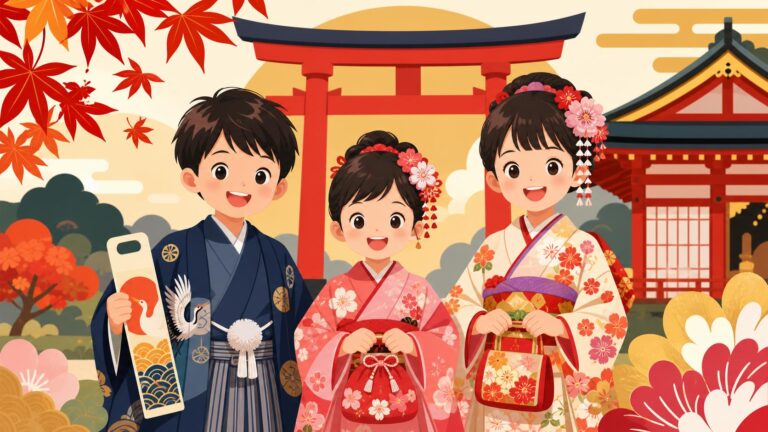
Japanese cultural traditions shape the Shichi-Go-San festival, explaining historical roots, clothing, shrine etiquette, and celebration logistics.
Rural Japanese community integration involves joining neighborhood associations, participating in local festivals, and mastering village social etiquette.
Booking a private Geisha dinner in Kyoto requires navigating strict rules, high costs ranging from 150,000 to 500,000 JPY, and proper etiquette.
VIP experiences at Universal Studios Japan provide luxury travelers with private guides, exclusive park lounges, and priority access to attractions.
The Shikoku 88 Temple Pilgrimage allows remote workers to balance a professional schedule with walking the 1,200-kilometer trail.