Visiting a Dentist in Japan: Coverage Differences for Root Canals and Implants
Waking up with a throbbing toothache is stressful enough, but in Japan, the administrative confusion regarding what is covered by insurance often hurts more than the cavity. I remember sitting in a tiny waiting room in Minato, clutching my jaw and wondering if I was about to spend my entire rent on a single root canal. This guide solves the mystery of dental coverage, specifically focusing on the massive differences in how Japan handles root canals and implants.
Disclosure: This post may contain affiliate links. We may earn a commission at no extra cost to you if you make a purchase through these links. Read full disclosure.
Understanding the Japanese Dental Insurance Landscape
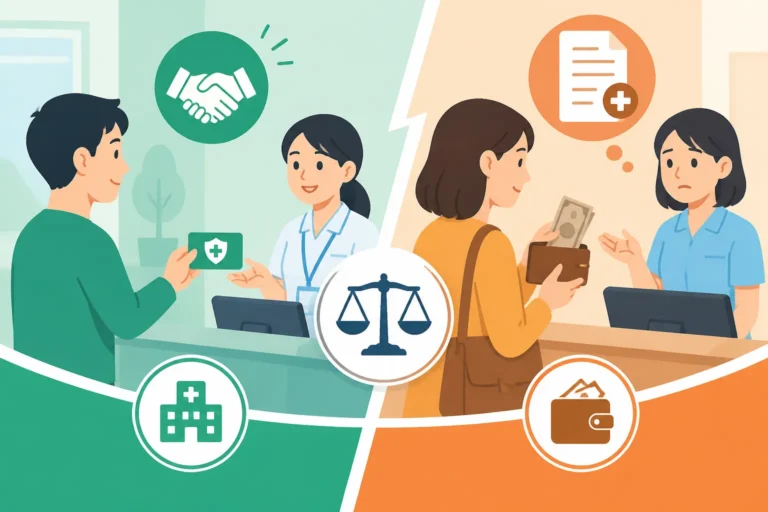
When you first arrive in Japan, the dental system can feel like a maze of "covered" versus "uncovered" treatments. Most residents are enrolled in either the Employees' Health Insurance or the National Health Insurance (NHI). While these systems are fantastic for routine cleanings and simple fillings, they operate on a strict "minimum necessary care" philosophy. This means that while you are technically covered for most dental issues, the materials and methods used are often a decade or two behind what you might expect in North America or Europe.
For a deeper look at how the overall system functions, you should check out Japanese National Health Insurance Basics for Foreigners. Under the NHI, you generally pay 30 percent of the total cost. However, because the government sets the prices, dentists are often forced to work very quickly or split treatments into multiple short appointments to remain profitable. This is why a simple filling that takes one hour in New York might take three 15-minute sessions in Osaka.
If you find this pace frustrating or want access to more modern materials, private insurance options like Cigna Global can be a lifesaver. These plans often allow you to seek care at high-end private clinics that bypass the NHI system entirely, providing a more "Western" experience with longer appointment times and advanced technology. For those on shorter stays or digital nomad visas, SafetyWing provides a layer of protection for emergencies, though it is important to check the specific limits on dental "maintenance" versus "accidents."
The Root Canal Conundrum: Coverage and Techniques
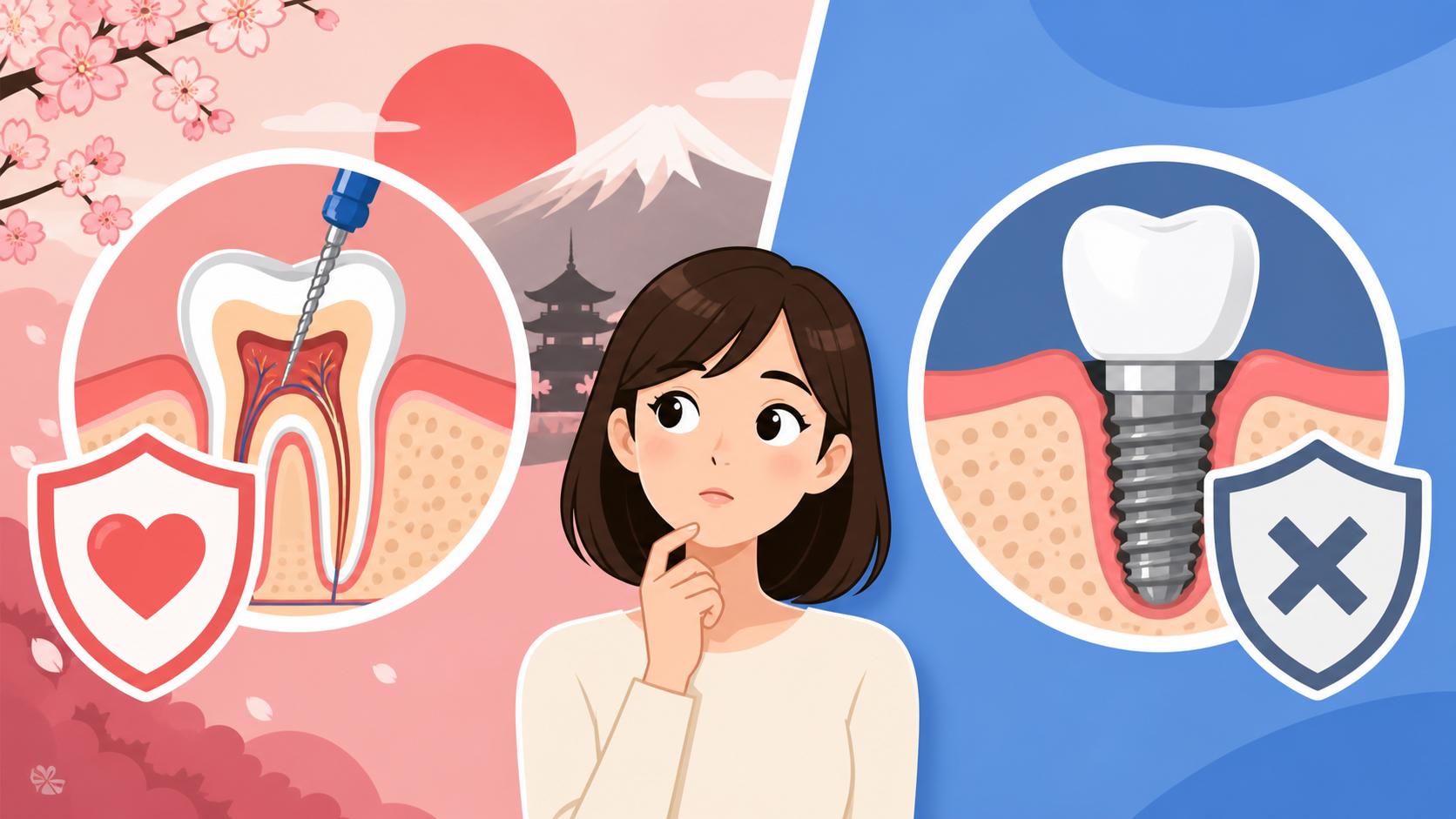
The biggest shock for many expats comes when a dentist suggests a root canal. Under the NHI, a root canal is covered, but the protocol is very specific. The government-approved method usually involves stainless steel files and a 30 percent co-pay that makes the procedure incredibly cheap—often less than 5,000 yen per session. However, the success rate for these "insurance-grade" root canals can be lower than private options because the NHI does not always cover the use of rubber dams or high-powered microscopes, which are essential for preventing re-infection.
If you opt for a private, "Jihi" (self-pay) root canal, you are looking at a much higher price point, potentially ranging from 50,000 to 150,000 yen per tooth. Why would anyone pay this? The answer lies in the quality of the "white" materials and the technology used. Private endodontists in Japan often use nickel-titanium rotary files and CT scans to ensure every microscopic canal is cleaned. Many expats find that their Dental Care Beyond Basics: Braces and Implants in Japan requires a choice between the affordable but basic NHI route and the expensive but comprehensive private route.
When discussing these options with your dentist, the language barrier can make things even more complicated. It is helpful to review Medical Japanese: Describing Your Symptoms When You Don’t Speak the Language so you can specifically ask if they are using a "microscope" (maikuro-sukōpu) or a "rubber dam" (raba-damu). If they don't use these, you might be getting the standard NHI treatment, which is functional but may not be the "gold standard" you are used to.
Dental Implants: Why They Are Almost Always Out of Pocket
If you lose a tooth in Japan, the NHI will usually offer you two options: a bridge or a removable denture. Both are covered by insurance and are quite affordable. However, dental implants—the permanent screws that act like real teeth—are almost never covered by the National Health Insurance. The Japanese government views implants as an aesthetic or elective procedure rather than a medical necessity.
There are very rare exceptions where NHI covers implants, such as cases involving jaw bone loss due to a specific tumor or a severe accident, but for 99 percent of expats, an implant is a 100 percent out-of-pocket expense. You can expect to pay anywhere from 300,000 to 600,000 yen per implant. This is where having a robust international plan like Cigna Global becomes critical, as some of their higher-tier modules can help offset these massive costs.
For those who find the cost of implants in Tokyo or Osaka prohibitive, it is worth looking into Clinics vs. Hospitals in Japan: Choosing the Right Healthcare Provider. Some large university hospitals have specialized dental departments where costs might be slightly more transparent, even if they aren't necessarily "cheap." Always ask for a written estimate (mitsumoris-sho) before committing to an implant procedure, as "hidden fees" for the crown or the abutment can pop up later.
Comparing Costs: A Breakdown of Common Procedures
To help you budget, here is a general breakdown of what you might pay at a typical Japanese dental clinic in 2026. Note that "Insurance" refers to the 30 percent co-pay you pay at the window.
| Procedure Type | NHI Covered (30% Co-pay) | Private / Self-Pay (100%) |
|---|---|---|
| Routine Cleaning & Checkup | 2,500 – 4,000 JPY | 10,000 – 20,000 JPY |
| Composite Filling (White) | 1,500 – 3,000 JPY | 20,000 – 50,000 JPY |
| Root Canal (Per session) | 1,000 – 3,000 JPY | 50,000 – 150,000 JPY (Total) |
| Ceramic Crown | Not Covered (Usually) | 80,000 – 180,000 JPY |
| Silver/Metal Crown | 3,000 – 6,000 JPY | N/A |
| Dental Implant (Single) | Not Covered | 300,000 – 600,000 JPY |
| Emergency Pain Relief | 2,000 – 4,000 JPY | 15,000+ JPY |
As you can see, the gap between insurance and private care is cavernous. Many expats choose a hybrid approach: they use their NHI for cleanings and simple cavities but switch to a private specialist for complex root canals or aesthetic work. If you have a dental emergency in the middle of the night, knowing how to find Emergency Dental Care in Japan: Finding 24-Hour Dentists can save you from a lot of unnecessary pain while you wait for your regular clinic to open.
The 2026 Shift: Digital Health Cards and Paperwork
It is important to stay updated on the administrative side of Japanese healthcare. As of 2026, the old paper or plastic health insurance cards are being phased out in favor of the My Number Card system. Some newcomers have been turned away from clinics because they hadn't linked their insurance to their digital ID yet. For a smooth transition, read up on The Abolishment of Physical Health Insurance Cards (2026): What Expats Need to Do.
When you pay your bill, the clinic will provide you with a detailed receipt (ryoushuu-sho) and a breakdown of the points (tensuu) used for the treatment. Each "point" is worth 10 yen. If you have private insurance like SafetyWing or Cigna Global, you will need to keep these receipts and often ask the dentist to fill out a separate medical report in English to claim your reimbursement. Understanding Japanese Medical Bills and Insurance Claims is vital if you don't want to get stuck with the bill because of a missing stamp or a mistranslated procedure name.
Practical Tips for Finding an English-Speaking Dentist
Finding a dentist who understands both your teeth and your language is a game-changer. In major hubs like Tokyo, Minato-ku and Shibuya-ku are home to many "International Clinics." These places are accustomed to Western expectations, meaning they will explain the "Why" behind a treatment rather than just telling you to "Open wide."
However, if you are living outside the major cities, you might need to rely on Overcoming Language Barriers at the Hospital: Using Interpreters & Translation Services. Many local dentists are highly skilled but lack confidence in their English. Bringing a printed list of your symptoms and history can bridge the gap.
- Ask for a Consultation First: Most clinics will charge a small fee for an initial X-ray and consultation. Use this to gauge their willingness to explain the difference between insurance and private options.
- Check for "Microscope" Availability: If you need a root canal, specifically search for clinics that list "Micro-Endodontics" (Maikuro-endo) on their website.
- Clarify the Number of Visits: Japanese dentists often break treatments into many small parts. If you are a busy professional, ask if they can finish the work in fewer, longer sessions.
Living in Japan requires a bit of a mental shift when it comes to healthcare. You have to be your own advocate. Don't be afraid to ask, "Is there a better material available if I pay extra?" or "What is the success rate if we use the insurance-covered method?" The dentists are generally very honest, but they are used to the "insurance-first" mindset of local patients. By being informed about the coverage differences for root canals and implants, you can ensure your smile stays healthy without any "extra" surprises on your credit card statement.
Disclaimer
This guide is for informational purposes only and does not constitute professional medical or legal advice. Healthcare regulations and insurance policies in Japan are subject to change. Always consult with a licensed dental professional and your insurance provider regarding your specific medical needs and coverage details.