Hiroshima and Miyajima Day Tours From Osaka or Kyoto
Oh, the allure of Hiroshima and Miyajima! These places hold such profound beauty and history, but let's be real, the thought of planning a day trip there from Osaka or Kyoto can feel like trying to untangle a bowl of ramen with chopsticks tied together. The Shinkansen schedules, the local lines, the ferry connections – it's enough to make even a seasoned expat sigh. If you've been dreaming of experiencing the serene Itsukushima Shrine or reflecting at the Peace Memorial Park without the logistical headaches, this guide is for you. We’re going to dive deep into why a well-organized day tour, especially those offered through services like Klook, can be your absolute best friend for this unforgettable journey.
Disclosure: This post may contain affiliate links. We may earn a commission at no extra cost to you if you make a purchase through these links. Read full disclosure.
The DIY Headache: Why Going Solo Can Be a Slog
When you first arrive in Japan, everything is exciting. Every station, every train line, every convenience store is an adventure. But then you start looking at a map, trying to figure out how to get from the bustling heart of Osaka to the solemnity of Hiroshima, and then over to the sacred deer-filled island of Miyajima, all in one day. Suddenly, that excitement can turn into pure, unadulterated dread.
The Time Crunch: Maximizing Your Precious Day
Let's talk about the sheer amount of travel involved. From Kyoto or Osaka, you're looking at a significant chunk of time just on the Shinkansen. It's not just the speed of the bullet train; it's getting to the station, navigating the massive terminal, finding your platform, understanding your ticket, and then, once you arrive in Hiroshima, repeating the process for local trains and ferries. Time is precious, especially when you're trying to pack in so much history and natural beauty.
Imagine this: You wake up early, determined. You manage to catch your first Shinkansen, but then you realize you bought a non-reserved seat on a busy day, and you're standing for an hour. Or maybe you get off at the wrong stop in Hiroshima, adding another 30 minutes to your journey. By the time you reach the Peace Park, you’re already tired and stressed, and that peaceful reflection you craved? It’s replaced by the nagging worry about missing your last ferry to Miyajima or your return Shinkansen. It truly takes the shine off what should be a moving experience. If you’re not perfectly fluent in reading station signs and announcements, or if you haven’t mastered How to Use Japan’s Train System (Local, Limited Express, Shinkansen), those minutes can really add up.
Language Barriers and Booking Hurdles
Even with translation apps and good intentions, trying to coordinate complex travel plans in Japan can be a hurdle. Booking a specific Shinkansen ticket in English might be straightforward, but understanding which local train to take, which exit to use at a new station, or clarifying ferry times can quickly become a game of charades. And if there’s a delay or an unexpected change, oh boy, that’s when the real fun begins!
Many of us arrive in Japan with a few key phrases, but those won't cover the intricacies of travel logistics. You might be able to buy an IC Cards Explained: Suica, PASMO, ICOCA (Where They Work) for local travel, but securing Shinkansen Tickets: Booking, Seat Types, and Luggage Rules and then coordinating it with bus and ferry schedules requires a level of detail that many tourists and even short-term expats simply don't have the capacity to manage on the fly. The mental load of constantly second-guessing your directions or trying to decipher announcements can leave you utterly drained, making it harder to absorb the profound experiences that Hiroshima and Miyajima offer. You don't want to spend your entire day looking at your phone's map application, right?
Why Day Tours, Especially Klook Tours, Are a Lifesaver
This is where a dedicated day tour steps in like a knight in shining armor. Instead of juggling multiple tickets, worrying about missed connections, or stressing over language, you simply show up at a designated meeting point, and everything is handled for you. For this particular journey, services like Klook are exceptionally good at offering streamlined, comfortable, and informative experiences. They understand the unique challenges that international visitors face and design their tours to alleviate those specific pain points.
Seamless Logistics: Leave the Planning to the Pros
The biggest benefit of a day tour, especially one booked through a reputable platform like Klook, is the elimination of logistical stress. You’re not just buying a ticket; you’re buying peace of mind. The tour operator arranges all your transportation, from the Shinkansen seats to the local train transfers and the ferry to Miyajima. You travel as a group, guided by someone who knows the system inside out, ensuring you stay on schedule and don't get lost.
Think about it: no need to research train times, no frantic searches for the right platform, and no fumbling with different tickets. You often get direct Shinkansen access, meaning less time spent figuring things out and more time enjoying the journey. Many Klook tours bundle these elements perfectly, sometimes even offering unique transport combinations like a scenic bus ride for part of the journey or specific Shinkansen car bookings. This means more time gazing out the window at the Japanese countryside, chatting with fellow travelers, or simply relaxing, knowing you're in capable hands. It's the ultimate way to tackle a big journey like this, especially if your time in Japan is limited and you want to truly experience the locations rather than just rushing through them.
Expert Guides and Cultural Insights
Beyond the logistics, a tour provides something invaluable: an expert guide. These aren't just people who know the train schedule; they are often deeply knowledgeable about the history, culture, and significance of each site. They can provide context at the Peace Memorial Park that goes far beyond what you might read in a guidebook, making the experience much more impactful. At Itsukushima Shrine, they can explain the intricate Shrine and Temple Manners: Bowing, Purification, Photos and the history of the floating torii gate.
With a Klook tour, you're not just looking at monuments; you're understanding them. The guides can answer your questions, point out details you might otherwise miss, and even share personal anecdotes that bring the history to life. This is particularly crucial for a place like Hiroshima, where the gravity of the past requires careful and respectful contextualization. They can also offer practical advice, like where to find the best spots for photos, where to grab a quick, authentic local snack, or tips on interacting with the friendly deer on Miyajima, making your visit richer and more meaningful. It transforms a simple sightseeing trip into an educational and deeply moving cultural immersion, which is what we all truly want when visiting such significant places in Japan.
What to Expect on a Klook Hiroshima & Miyajima Day Tour
So, you're sold on the idea of a tour. What does a typical day look like when you book a Hiroshima and Miyajima excursion through Klook? While itineraries can vary slightly, there's a general flow that ensures you hit the most important spots efficiently and comfortably. Klook excels in curating these experiences, ensuring a balance between structured sightseeing and a bit of free time for personal exploration.
Essential Stops: Peace Memorial Park and Itsukushima Shrine
The core of any Hiroshima and Miyajima tour will naturally revolve around these two iconic locations, each offering a vastly different, yet equally profound, experience.
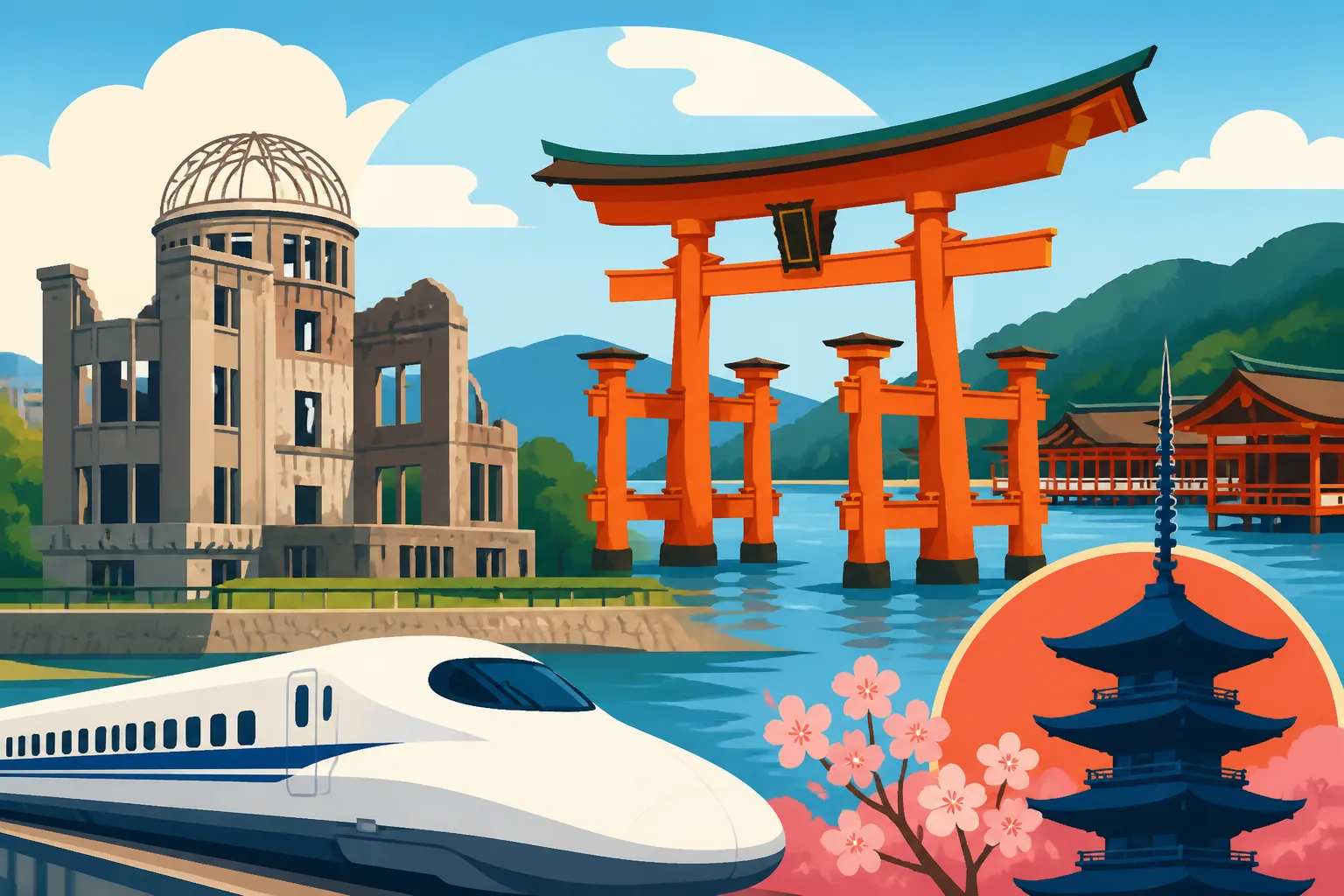
First up, you’ll typically arrive in Hiroshima and head straight to the Peace Memorial Park. This area is hallowed ground, dedicated to the memory of the victims of the atomic bombing and a fervent plea for world peace. Your guide will often lead you through the park, explaining the significance of landmarks like the Atomic Bomb Dome, the Children's Peace Monument, and the Flame of Peace. Inside the Peace Memorial Museum, you’ll be given time to reflect on the devastating history and human stories. It's an incredibly moving and somber experience, and having a guide to offer historical background and facilitate respectful engagement can be truly invaluable. This isn't just about seeing; it's about understanding and feeling. After experiencing the profound history here, many people find it helpful to engage in further learning about Japanese Cultural Etiquette 101 for Newcomers to ensure a respectful visit throughout Japan.
Next, it’s off to Miyajima Island, usually via a short local train ride and then a ferry. As you approach, the sight of the "floating" torii gate of Itsukushima Shrine rising majestically from the water is absolutely breathtaking. This UNESCO World Heritage Site is famous for its unique architecture and its population of friendly deer. Your guide will navigate you through the shrine complex, explaining its history and the Shinto traditions behind it. You'll often have some free time to explore the charming streets, perhaps try some local delicacies like momiji manju (maple leaf-shaped cakes) or fresh oysters, and, of course, snap those iconic photos of the torii. Keep in mind that depending on the tide, the gate might actually be standing in water or on sand, offering two distinct views! It's a stark, beautiful contrast to the heavy history of Hiroshima, providing a sense of renewal and natural wonder.
Tour Inclusions and Options with Klook
When you browse Klook for Hiroshima and Miyajima tours, you'll find a range of options, but most will include core elements designed for convenience. Typically, your tour fee will cover round-trip Shinkansen tickets from Osaka or Kyoto to Hiroshima, all necessary local transportation (trains, buses, ferry tickets to Miyajima), and the services of an English-speaking (or multilingual) guide. This comprehensive approach means you don’t need to worry about a single transport detail once your day begins.
Beyond the basics, some tours might include lunch, usually at a local restaurant in Hiroshima or Miyajima, giving you a taste of the regional cuisine. Others might offer different group sizes, from larger, more budget-friendly options to smaller, more intimate tours that provide a personalized experience. For example, if you're departing from a major city like Osaka, you might find tours that cater specifically to the Best Neighborhoods in Osaka for Expats or from popular tourist hubs in Kyoto. It's always worth reading the specific tour details on Klook carefully to see exactly what's covered. Factors like the type of Shinkansen you'll ride (reserved vs. non-reserved) or the amount of free time at each location can vary. If you prefer more flexibility, look for tours that offer more "leisure time" in their itinerary. Some Klook experiences might also include optional add-ons, like admission to specific museums or special local experiences. Think of Klook as a central hub for vetted tour providers, so you can easily compare and choose the one that best fits your style and budget.
| Feature | DIY Trip (from Osaka/Kyoto) | Klook Day Tour (Example) |
|---|---|---|
| Shinkansen Tickets | Purchase separately, manage seat reservations | Included, often reserved seats |
| Local Transport | Research, purchase, navigate independently | All included, guided transfers |
| Ferry to Miyajima | Purchase at port, manage schedules | Included, guided to departure |
| Guide Service | Self-guided, rely on guidebooks/apps | Professional English-speaking guide included |
| Historical Context | Self-research | Expert commentary and insights |
| Flexibility | High (but with high planning stress) | Moderate (structured itinerary) |
| Language Support | Rely on apps, basic phrases | Bilingual guide assistance |
| Overall Stress | High | Low |
Making the Most of Your Tour: Tips for Expats
Even with all the heavy lifting handled by your Klook tour, there are still ways you can enhance your experience and ensure you have a truly memorable day exploring Hiroshima and Miyajima. A little preparation goes a long way, and as expats, we often appreciate those small details that make a big difference.
Preparing for Your Trip
Firstly, let’s talk footwear. You'll be doing a lot of walking, especially around the Peace Memorial Park and on Miyajima Island, where you might also be navigating inclines and uneven paths. Comfortable shoes are non-negotiable. Seriously, those cute new sneakers? Break them in before the trip, or you'll regret it. Secondly, check the weather forecast. Japan's weather can be unpredictable, even within a single day. A compact umbrella or a light rain jacket is always a good idea, as are layers, especially if you're starting early from Kyoto or Osaka and returning late. The weather can change quite a bit between Kansai and Hiroshima.
While many Klook tours might offer lunch or suggest places, it's always wise to pack some small snacks and a water bottle. Keeping hydrated and having a little something to nibble on can prevent energy slumps, especially during the moving and reflective portions of the day. A portable phone charger is also a must-have. You'll be taking countless photos, and nobody wants their phone dying mid-Itsukushima Shrine photo op! Lastly, remember that while tours handle most things, bringing a small amount of yen cash is always recommended for souvenirs, street food, or any unexpected purchases. It's worth learning a few Japanese Phrases for Train Ticket Questions or for ordering Eating Out in Japan: Dining Etiquette and How to Order if you plan to explore a bit during your free time.
Post-Tour Relaxation and Reflection
After a long, fulfilling, and emotionally impactful day visiting Hiroshima and Miyajima, you'll likely feel a mix of exhaustion and profound reflection. One of the greatest advantages of a Klook tour is that your return journey is just as smoothly handled as the outbound. You don't have to worry about missing your train or navigating late-night transfers. You can simply relax on the Shinkansen ride back to your base in Osaka or Kyoto.
Once you’re back in Kansai, resist the urge to immediately dive into another bustling activity. Give yourself time to process everything you’ve seen and learned. Perhaps enjoy a quiet dinner at a local izakaya in Kyoto Beyond the Classics: Quiet Temples and Scenic Walks or grab some comforting Osaka Street Food Guide: Dotonbori and Beyond to reflect on your day. Review your photos, journal your thoughts, or simply unwind. The experience of Hiroshima, in particular, stays with you, and allowing yourself space to reflect is crucial. Remember to also check your Travel Insurance for Japan Trips: What to Check before you go on any adventures, just in case. Consider it a well-deserved moment of peace after a day that, thanks to Klook, was rich in experience rather than rich in stress.
Disclaimer
This article is for general informational purposes only and does not constitute professional advice. Laws, prices and regulations vary by location and change over time. Consult a qualified professional for guidance on your specific situation.