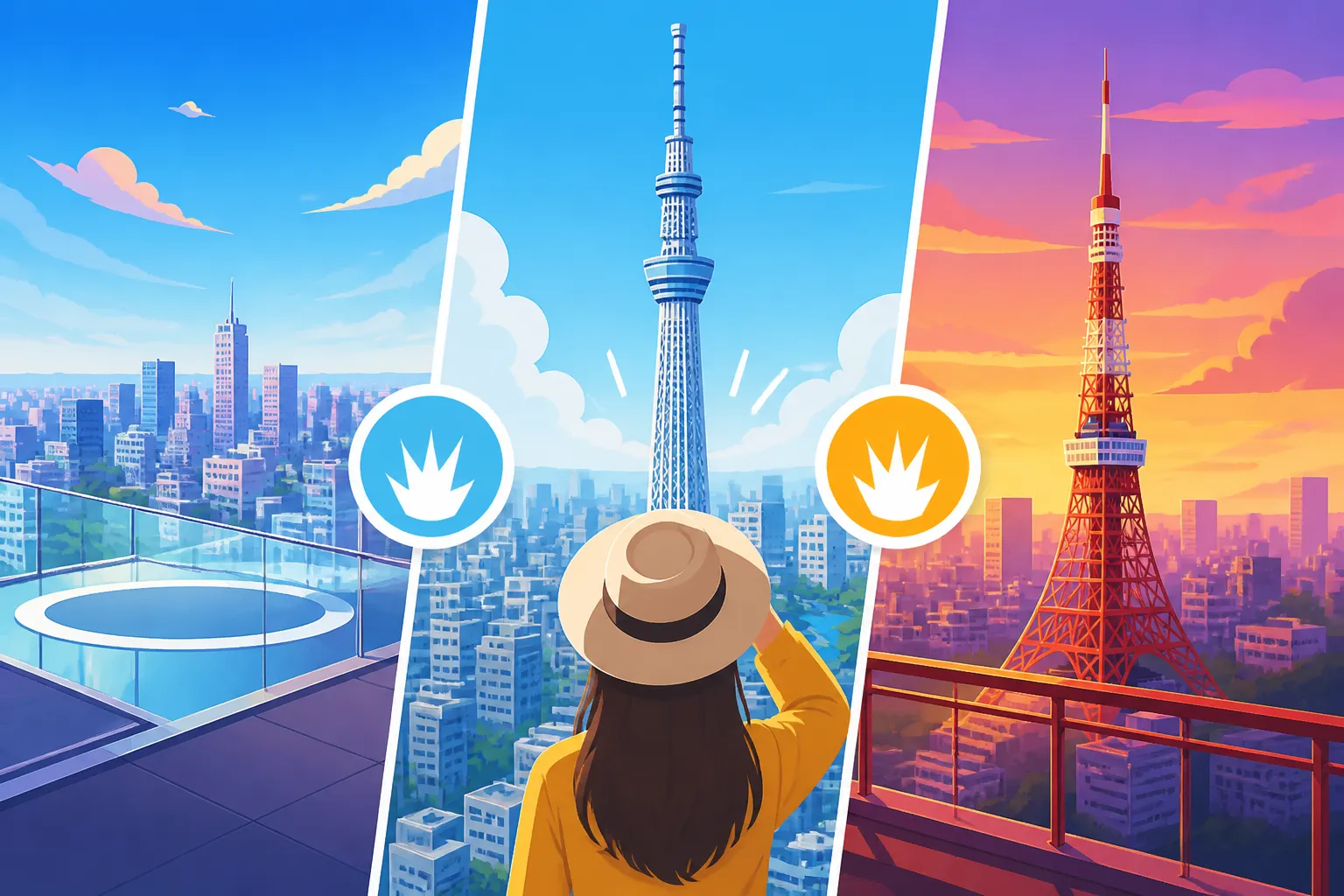
Shibuya Sky vs Tokyo Skytree vs Tokyo Tower: Which View Is Worth Booking
Choosing which iconic Tokyo observation deck to visit can feel like a truly overwhelming decision, right? You’ve seen all the stunning photos online, but trying to figure out if Shibuya Sky’s trendy rooftop, Skytree’s towering height, or Tokyo Tower’s classic charm is really worth your precious time and yen is a genuine conundrum. Trust me, I’ve navigated these dizzying heights countless times, and I know the frustration of wanting that perfect view without wasting money or ending up in the wrong spot. This guide is here to break down the ins and outs of Shibuya Sky, Tokyo Skytree, and Tokyo Tower, helping you pick the perfect panorama for your Tokyo adventure, and showing you the easiest way to secure your tickets, often with a little discount if you play your cards right, especially when you book through platforms like Klook.
Disclosure: This post may contain affiliate links. We may earn a commission at no extra cost to you if you make a purchase through these links. Read full disclosure.
The Big Three: An Overview of Tokyo's Iconic Views
Tokyo is a city that loves to impress with its scale, and nothing quite captures that grandeur like seeing it from above. We're spoiled for choice with observation decks, but three stand out as the most popular and, frankly, the most talked-about: Shibuya Sky, Tokyo Skytree, and Tokyo Tower. Each offers a distinct experience, a different perspective, and a unique vibe. It’s not just about height; it’s about what kind of memory you want to create and what part of this sprawling metropolis you most want to take in.
Shibuya Sky: The Modern, Open-Air Sensation
Shibuya Sky is the new kid on the block, opening its doors in late 2019 and quickly becoming the place to be for sunset and night views. Located atop the Shibuya Scramble Square building, it's not just another indoor observation deck. Oh no, Shibuya Sky takes it to another level—literally—with its incredible open-air rooftop observatory. Imagine standing 229 meters above Shibuya, feeling the wind in your hair as the famous Shibuya Crossing pulses below, a tiny, mesmerizing microcosm of urban life.
What really sets Shibuya Sky apart is this outdoor element. There's an indoor section on the 46th floor, "Sky Gallery," which is sleek and offers panoramic windows, but the real magic happens on the "Sky Stage" rooftop. Here, you'll find lounge nets, an artificial turf area perfect for relaxing, and even a "Cloud Hammock." The photo opportunities are endless, from dramatic cityscape shots at dusk to the glittering tapestry of Tokyo by night. It's a truly immersive experience that feels very much of the moment, drawing a younger, more Instagram-savvy crowd. Getting your tickets for Shibuya Sky in advance, particularly through a convenient platform like Klook, is almost non-negotiable, especially if you're aiming for those coveted sunset slots, as they sell out unbelievably fast.
Tokyo Skytree: The Towering Giant
Standing at a staggering 634 meters, Tokyo Skytree is Japan's tallest structure and the second tallest in the world. This isn't just an observation deck; it's a monumental broadcast tower that also happens to offer breathtaking, almost god-like views of the Kanto region. Located in Sumida, it's a bit further out from central Tokyo than the other two, which means its panoramas stretch far beyond the immediate cityscape, encompassing distant mountains, including Mt. Fuji on a clear day, and even parts of Chiba and Saitama prefectures.
The Skytree offers two main observation decks: the Tembo Deck at 350 meters and the Tembo Galleria at 450 meters. The Tembo Deck has wide, comfortable viewing areas, cafes, and even a glass floor section that might give you a mild heart attack if you're not a fan of heights. The Tembo Galleria is a spiraling glass-enclosed walkway that truly makes you feel like you're floating above the clouds. The area around Skytree, known as Tokyo Solamachi, is a massive shopping and dining complex, making it an all-day destination rather than just a quick view. It's a more traditional, expansive observation experience, great for families and those who want to see just how vast Tokyo truly is. Booking your Skytree tickets via Klook can often save you time waiting in line, which is always a bonus when you're trying to maximize your Tokyo itinerary.
Tokyo Tower: The Enduring Classic
Ah, Tokyo Tower. The orange and white icon that has graced Tokyo's skyline since 1958. This grand old dame of observation decks might not be the tallest anymore, but it holds a special place in the hearts of locals and expats alike. At 333 meters, it’s inspired by the Eiffel Tower and offers a more intimate, charming experience. It’s located in Minato Ward, right in the heart of the city, providing fantastic views of central Tokyo landmarks, including the Imperial Palace, Roppongi, and even the Skytree itself in the distance.
Tokyo Tower has two main observation decks: the Main Deck at 150 meters and the Top Deck Tour, which takes you up to 250 meters. The Top Deck experience is guided, includes multilingual audio, and offers a slightly more exclusive feel with reflective glass that creates a unique, almost ethereal viewing experience. Visiting Tokyo Tower often evokes a sense of nostalgia; it feels less like a modern attraction and more like stepping back in time to a classic Tokyo romance. The views of the surrounding city at night, with the illuminated tower itself as a backdrop, are truly something to behold. It's perfect for a date, a quiet reflection, or simply appreciating Tokyo's history. You can find convenient booking options for Tokyo Tower, including the Top Deck Tour, on Klook.
Detailed Comparison: Views, Atmosphere, and Experience
Now, let's get down to the nitty-gritty: what kind of view do you get, what's the vibe like at each, and what unique experiences can you expect? This is where your personal preferences really come into play.
The Panoramic Showdown: What You’ll Actually See
When you ascend these structures, you're not just looking at "Tokyo"; you're seeing different Tokyos. Each offers a unique visual narrative of the city.
Shibuya Sky gives you a raw, urban energy shot. From the rooftop, the most striking sight is undoubtedly the Shibuya Crossing, miniaturized and bustling below. You get a sense of the sheer density and endless sprawl of the city, especially towards Shinjuku with its skyscrapers, and a direct line of sight down major arteries. It’s an immersion into Tokyo’s contemporary pulse. On a clear day, you can spot the outline of Mt. Fuji to the west, gracefully framed by the urban landscape. It's a view that emphasizes the dynamic, ever-changing nature of the city. For a truly unforgettable experience, consider timing your visit with sunset, which requires prior booking and typically sells out quickly. Japanese Night Views: Top Observatories and Photo Tips has more suggestions for similar experiences.
Tokyo Skytree, by virtue of its immense height and location further east, offers an unparalleled macro view. You're so high up that the individual buildings blur into a vast tapestry. You can truly appreciate the Kanto Plain, with urban areas blending into suburban stretches and, on the best days, the distinct, almost unbelievable silhouette of Mt. Fuji appearing on the horizon. It's less about the immediate hustle and bustle and more about the sheer scale of the region. The view extends so far that you might feel like you're looking at a map come to life. This broad perspective is excellent for photographers wanting expansive landscapes or for those who simply want to grasp the enormity of Japan's capital.
Tokyo Tower provides a more intimate and iconic perspective. Its central location means you're right in the thick of things, looking down on landmarks like Zojoji Temple, Shiba Park, and the glittering towers of Roppongi and Ginza. Crucially, you get a fantastic view of the Tokyo Skytree in the distance, contrasting the old and new symbols of the city. At night, the sight of Tokyo Tower itself, bathed in its distinctive orange or seasonal colors, is arguably more appealing than the view from within it, adding to its romantic allure. It’s a classic postcard view, perfect for those who appreciate history and the enduring symbols of Tokyo.
Atmosphere and Vibe: Who's the Crowd?
The crowd and atmosphere can drastically change your experience, so let’s talk about the ambiance of each spot.
Shibuya Sky attracts a predominantly younger, trendier crowd. Expect fashion-forward visitors, couples on dates, and groups of friends all vying for that perfect Instagram shot. The open-air rooftop, with its lounge nets and chill music, cultivates a lively, almost festival-like atmosphere, especially during sunset and evening hours. It can get very crowded, and there's definitely an energy to it—a buzzing, social vibe. It's modern, sleek, and designed for interaction and photo-taking. If you're looking for a vibrant, energetic experience, this is your spot. Booking ahead on Klook is really your best bet to avoid disappointment, as walk-ins for popular times are rare.
Tokyo Skytree tends to draw a more diverse demographic. You'll see families with children, older tourists, and international groups. The vastness of the space, both in the observation decks and the sprawling Solamachi complex below, means it rarely feels overwhelmingly crowded, even when busy. The atmosphere is generally more relaxed and focused on appreciating the view itself, rather than being part of a scene. It's a well-organized, comprehensive tourist destination, offering a full day's worth of activities beyond just the view. Consider this if you prefer a more structured, less intensely social viewing experience, or if you're traveling with kids.
Tokyo Tower exudes a timeless, slightly more subdued charm. It’s a place for quiet appreciation, romantic moments, or reflective contemplation. You’ll find couples, older Japanese visitors, and tourists seeking a touch of classic Tokyo. The ambiance is less about flash and more about enduring appeal. The Top Deck Tour, with its guided narrative and special effects, adds a touch of sophistication. It feels less like a theme park and more like a cherished landmark. If you're seeking a nostalgic, intimate, and perhaps a more serene viewing experience, Tokyo Tower offers a refreshing contrast to the modern hustle. This could be a lovely addition to your itinerary if you’re also exploring Tokyo on a Budget: Free & Cheap Activities for New Expats as it offers a different kind of value.
Unique Experiences and Features
Beyond the views, each deck offers its own special touches that might sway your decision.
Shibuya Sky is all about the "Sky Stage" rooftop. The sheer exhilaration of being outdoors, so high above the city, is its primary draw. The "Sky Edge" is a fantastic photo spot with the Shibuya Crossing directly below. They also have a Sky Gallery with digital art installations and a souvenir shop. The open-air setup means weather can be a factor, with the rooftop sometimes closing during strong winds or rain, so always check before you go. The "Crossing View" right at the edge is truly unique.
Tokyo Skytree boasts the Tembo Galleria, a glass-encased, spiraling skywalk at 450 meters that feels like walking through the sky. The Tembo Deck at 350 meters offers shops, cafes, and even a postal box where you can send postcards with a special Skytree stamp. The interactive touch screens and informative displays provide context to what you're seeing. Below, Tokyo Solamachi offers hundreds of shops, restaurants, an aquarium, and a planetarium, making it a comprehensive entertainment hub. It’s perfect for a full day out, offering more than just a view. Top 10 Tourist Attractions in Japan (2027) definitely features the Skytree for a reason!
Tokyo Tower counters with its "Top Deck Tour," which is a guided experience offering fascinating insights into the tower's history and Tokyo's development. The Top Deck itself has special reflective mirrors that create stunning visual effects, making for unique photos. The Main Deck also features "Skywalk Window" glass floors, giving you a thrilling look straight down. At the base, you'll find "Foot Town," which has a variety of souvenir shops, cafes, and even the "Tower Daijingu" shrine – Japan's highest shrine, believe it or not! It's a great spot to embrace a bit of kitsch and classic charm.
| Feature | Shibuya Sky | Tokyo Skytree | Tokyo Tower |
|---|---|---|---|
| Main Draw | Open-air rooftop, Shibuya Crossing view | Tallest structure, expansive Kanto views | Classic icon, central Tokyo views, nostalgic |
| Height | 229m (rooftop) | 350m (Tembo Deck), 450m (Tembo Galleria) | 150m (Main Deck), 250m (Top Deck Tour) |
| Atmosphere | Trendy, energetic, social, photo-centric | Family-friendly, relaxed, comprehensive destination | Romantic, nostalgic, intimate, historical |
| Best For | Sunset/Night views, urban pulse, photography | Daytime, expansive landscapes, full day out | Central Tokyo landmarks, classic charm, couples |
| Unique Feature | Open-air "Sky Stage" with hammocks & nets | Spiraling "Tembo Galleria," Tokyo Solamachi complex | "Top Deck Tour" guided experience, glass floors |
| Vibe | Modern, "Instagrammable" | Grand, educational, diverse appeal | Enduring, charming, timeless |
| Crowd | Younger, couples, groups of friends | Families, general tourists, international visitors | Couples, older tourists, reflective visitors |
Practicalities: Tickets, Access, and Best Times to Visit
Let’s talk logistics, because nothing dampens the mood faster than a queue that never ends or arriving at the wrong time. Planning is key, and booking your tickets in advance through a platform like Klook will generally save you time and hassle.
Ticket Prices and How to Book Smart
Ticket prices for all three venues can vary based on peak times, whether you're buying at the door, or if you're pre-booking. Generally, pre-booking online is not only cheaper but also essential for securing your preferred time slot, especially for Shibuya Sky sunsets.
Shibuya Sky: This is probably the one where pre-booking is most crucial, especially for popular sunset times. They implement a timed entry system, and those slots vanish fast. You can purchase tickets directly from their website or through authorized resellers.
- Klook offers easy booking for Shibuya Sky, often providing immediate confirmation and a straightforward process to select your desired entry time. This is genuinely the simplest way I've found to secure those hard-to-get tickets. Seriously, if you want a sunset slot, get on Klook the moment your plans solidify.
Tokyo Skytree: You can buy tickets at the Skytree itself, but expect potential lines, especially on weekends or holidays. There's usually a separate, slightly more expensive fast-track ticket for foreigners, which can be worth it if time is tight. Standard tickets are generally cheaper if purchased online in advance.
- Klook is an excellent option for Tokyo Skytree tickets as well, offering various packages, sometimes even combining it with other attractions. Skipping the long queues at the ticket counter can make a huge difference, particularly if you're traveling with children or have a packed itinerary.
Tokyo Tower: Tickets can be bought on-site, and lines are generally shorter here compared to Skytree, except perhaps for the Top Deck Tour. Online booking is also available.
- For Tokyo Tower, Klook provides a convenient way to purchase tickets, including options for the Top Deck Tour. This ensures you have your entry secured and can head straight in, saving you from any potential waits.
Getting There: Transportation Nuances
Each observation deck has its own optimal way to reach it, so factor this into your travel plans. Navigating Tokyo’s incredible public transport system is a skill in itself, but it’s usually the fastest and most efficient way to get around. Refer to Top 10 Tips for Using Tokyo Subways & Trains (Transport Guide) for general advice.
Shibuya Sky: It's incredibly accessible, located directly above Shibuya Station, which is a major hub served by numerous JR lines (Yamanote, Saikyo, Shonan-Shinjuku) and subway lines (Ginza, Hanzomon, Fukutoshin, Den-en-toshi, Toyoko, Keio Inokashira). Just follow the signs within Shibuya Station for "Shibuya Scramble Square" and you'll pop right out into the building. It’s part of the new Shibuya redevelopment, so everything is sleek and clearly signposted.
Tokyo Skytree: Located in Sumida Ward, it’s best accessed by train.
- Take the Tobu Skytree Line to Tokyo Skytree Station.
- Alternatively, take the Tokyo Metro Hanzomon Line or Toei Asakusa Line to Oshiage Station (Skytree). Both stations are directly connected to the Tokyo Solamachi complex.
It's a bit further out, so plan for a slightly longer train ride from central areas like Shinjuku or Shibuya.
Tokyo Tower: This classic landmark is conveniently located near several stations, offering flexible access.
- Closest subway stations: Akabanebashi Station (Toei Oedo Line, exit Akabanebashi), Onarimon Station (Toei Mita Line, exit A1), Kamiyacho Station (Tokyo Metro Hibiya Line, exit 1).
- Closest JR station: Hamamatsucho Station (JR Yamanote Line). From here, it’s about a 15-20 minute walk, which can be quite pleasant through Shiba Park.
Best Times to Visit for Optimal Views and Experience
Timing is everything when it comes to observation decks. The "best" time depends heavily on what you want to see and how much you mind crowds.
Shibuya Sky:
- Sunset: Undeniably the most popular time. The transition from day to dusk to a glittering night city is spectacular. Expect maximum crowds, and pre-booking via Klook for these slots is absolutely essential. If you don't book far in advance, you'll likely miss out.
- Night: Still very popular, but slightly less frantic than sunset. The city lights are mesmerizing.
- Morning/Early Afternoon: Fewer crowds, better chances for clear visibility (especially for Mt. Fuji), and a more relaxed pace. Great for urban photography in daylight.
Tokyo Skytree:
- Clear Morning/Early Afternoon: For the best chance to see Mt. Fuji and the far-reaching Kanto Plain, aim for a clear morning, especially during autumn or winter. Hazy summers often obscure distant views.
- Sunset/Night: Offers a beautiful transformation of the cityscape. Can be crowded, but the sheer size of the decks makes it more manageable than Shibuya Sky.
- Weekdays: Always less crowded than weekends.
Tokyo Tower:
- Night: Tokyo Tower truly shines at night. The views of central Tokyo illuminated are stunning, and the tower itself, glowing brightly, adds to the charm. It's also less frenetic than Shibuya Sky at night.
- Late Afternoon (Winter): Catch the sun setting over the city, then watch the city lights twinkle on. During winter, Tokyo's air is often clearer, increasing visibility.
- Weekdays: For a more peaceful, romantic experience, aim for a weekday evening.
Pro Tip for all three: Check the weather forecast! Clear skies make a monumental difference. Also, consider haze – Tokyo can be quite hazy in summer, impacting distant views, so crisp autumn and winter days are often the best for wide panoramas.
Beyond the Views: Dining, Shopping, and Surrounding Areas
A visit to an observation deck doesn't have to be just about the view. Each location is nestled within an area offering its own unique flavors, shopping experiences, and cultural excursions. This is where you can turn a quick visit into a richer, more extended adventure.
Culinary Delights and Dining with a View
Let’s be honest, gazing at the city makes you hungry. Luckily, all three spots have some fantastic food options.
Shibuya Sky: While Shibuya Sky itself has a café (Paradise Lounge) and a bar (The Roof Shibuya, seasonal) on the 46th floor for drinks and light snacks, the real dining action is within the Shibuya Scramble Square building and the wider Shibuya area. Shibuya Scramble Square houses numerous restaurants, from casual eateries to upscale dining, offering everything from sushi and tempura to international cuisine. Many of these offer fantastic views of the city themselves. Beyond the building, Shibuya is a culinary playground, with endless ramen shops, izakayas, trendy cafes, and diverse restaurants to suit every palate and budget. After your aerial adventure, descend to street level and explore the vibrant dining scene – you're spoiled for choice.
Tokyo Skytree: This is arguably the champion for a full dining experience. Tokyo Solamachi, the complex at its base, is a colossal shopping mall packed with a staggering array of restaurants and food stalls. You can find virtually any type of Japanese cuisine here, from regional specialties to popular chains, as well as international options. There are casual food courts, themed restaurants (like the Pokémon Center Cafe), and more upscale dining with views of the tower. On the Skytree Tembo Deck (340m), you’ll find the Skytree Cafe, offering snacks and drinks with a view. For a truly memorable experience, there's also Musashi Sky Restaurant on the Tembo Deck (345m), which offers a buffet with an incredible backdrop of the city. It’s perfect for a leisurely meal after your ascent.
Tokyo Tower: The dining options within the tower itself are a bit more limited, but charming. Foot Town, at the base of the tower, has various cafes and fast-food options. However, the surrounding areas, particularly Shiba Park and the nearby Azabudai Hills (home to the new Azabudai Hills Mori JP Tower with its own observation deck), Roppongi, and Kamiyacho, offer a fantastic range of dining experiences. You can find traditional Japanese restaurants, elegant Western bistros, and bustling izakayas. Consider a stroll through Shiba Park after your visit and find a cozy restaurant in the area for dinner, perhaps with a view of the illuminated Tokyo Tower itself. For a unique experience, some restaurants in Roppongi Hills offer views of Tokyo Tower. Eating Out in Japan: Dining Etiquette and How to Order can help you navigate the local food scene.
Shopping Opportunities and Souvenirs
Who doesn't love a good souvenir or a bit of retail therapy after a spectacular view?
Shibuya Sky: The gift shop on the 46th floor offers exclusive Shibuya Sky merchandise, from postcards and keychains to stylish apparel. It’s perfect for picking up a memento of your modern Tokyo adventure. Downstairs, Shibuya Scramble Square is a high-end department store with fashion, cosmetics, and specialty goods. And then, of course, there’s the entirety of Shibuya, famous for its trendy boutiques, major department stores (Shibuya 109, Loft, Tokyu Hands), electronics giants (Bic Camera, Yamada Denki), and quirky shops. If you're looking for the latest fashion or unique Tokyo souvenirs, Shibuya is your oyster.
Tokyo Skytree: Tokyo Solamachi is a retail paradise. It features over 300 shops, ranging from traditional Japanese crafts and souvenir stores to fashion boutiques, anime merchandise, and specialty food shops. You can find unique Skytree-themed goods, regional products from across Japan, and all sorts of delightful omiyage (souvenirs) to take home. There's even a JUMP Shop for anime fans and a variety of confectioneries. You could easily spend hours just browsing the shops here.
Tokyo Tower: Foot Town at the base of Tokyo Tower is brimming with souvenir shops selling all things Tokyo Tower-related. Expect plenty of classic keychains, miniature tower replicas, and other traditional tourist trinkets. It also features the popular Tokyo One Piece Tower theme park (check for current status, as these things change). While the shopping isn't as extensive as Skytree or Shibuya, it's perfect for picking up those iconic, slightly retro Tokyo souvenirs that truly say "I went to Tokyo Tower!"
Exploring the Neighborhoods
Each deck offers a gateway to exploring fascinating parts of Tokyo.
Shibuya Sky: You’re in Shibuya, one of Tokyo’s most iconic and vibrant districts. After descending, immerse yourself in the chaotic elegance of the Shibuya Crossing. Explore the trendy streets, visit Cat Street for independent boutiques, or relax in Yoyogi Park. It's a hub for youth culture, fashion, and entertainment. This area is fantastic for people-watching and experiencing the raw energy of urban Japan. Check out Tokyo Neighborhood Guide: Where to Go for Each Vibe for more on Shibuya.
Tokyo Skytree: The Skytree is located in Sumida Ward, a district rich in traditional Tokyo (Shitamachi) culture. You can wander through the charming streets of Asakusa, home to the historic Senso-ji Temple, just a short walk or train ride away. The Sumida River offers scenic cruises, and you can visit the Edo-Tokyo Museum (though temporarily closed for renovation, it's a fantastic cultural spot when open) or explore the quieter residential areas around the tower. It’s a wonderful contrast of old and new Tokyo.
Tokyo Tower: Located in Minato Ward, you’re in a prime spot for exploring a mix of history and modern sophistication. Directly adjacent is Shiba Park and Zojoji Temple, offering a serene escape and fantastic photo opportunities with the tower in the background. A short walk leads to the new Azabudai Hills, with its impressive architecture and luxury shops, and the bustling nightlife and dining of Roppongi. You can also easily reach the tranquil Imperial Palace East Garden or the upscale shopping districts of Ginza. It’s an area that balances Tokyo’s ancient roots with its contemporary pulse.
Which View Is Worth Booking for You?
Okay, so after all that, which one should you choose? There's no single "best" option; it truly depends on what you're looking for in your Tokyo experience. Let's break it down by different types of travelers.
For the Trendsetter and Photographer
If your camera roll is sacred, your Instagram feed is curated, and you love being where the action is, Shibuya Sky is unequivocally your pick.
- Why it's for you: The open-air rooftop provides unmatched photographic opportunities, especially at sunset and night. The view of the Shibuya Crossing from above is iconic and truly unique. The modern, sleek design and lively atmosphere make it a memorable, very "now" Tokyo experience. It’s perfect for capturing that energetic urban vibe and getting stunning, dramatic shots.
- Considerations: It's the most crowded, especially at popular times, and you absolutely must book your Shibuya Sky tickets in advance, ideally through Klook, to guarantee entry. Dress warmly if you're going for sunset/night, as the rooftop can get breezy!
For the Family and the Grand View Seeker
If you're traveling with family, want an all-encompassing view of the Kanto region, or prefer a comprehensive tourist experience with plenty of amenities, then Tokyo Skytree is your best bet.
- Why it's for you: Its sheer height provides the most expansive panoramic views, offering a sense of Tokyo’s vastness that the others can’t match. The Tokyo Solamachi complex at its base means there’s plenty to do before and after your ascent, making it an easy full-day outing with shops, restaurants, and entertainment. The observation decks are spacious, making it comfortable even with kids.
- Considerations: It's further out from central Tokyo, requiring a dedicated trip. While grand, the views can sometimes feel a bit distant if you prefer to see individual landmarks clearly. You can often find skip-the-line options on Klook for Tokyo Skytree, which helps immensely with families.
For the Romantic and the Nostalgic Soul
If you appreciate classic charm, a more intimate atmosphere, and stunning views of central Tokyo landmarks, particularly the Skytree itself, then Tokyo Tower is the ideal choice.
- Why it's for you: It offers a timeless, romantic ambiance, perfect for couples or those seeking a quieter, more reflective experience. The views of central Tokyo, glittering at night, with the Skytree standing proudly in the distance, are beautiful. The tower itself is a beloved icon, and experiencing it up close adds a historical layer to your visit. The Top Deck Tour offers a unique, guided perspective.
- Considerations: It's not as tall as Skytree or as trendy as Shibuya Sky, so the "wow" factor of sheer height might be less for some. However, its charm more than makes up for it. Japanese Cultural Etiquette 101 for Newcomers might be a good read to enhance your appreciation of such historical landmarks.
The Budget-Conscious Traveler
While all three require an entrance fee, if you're looking to maximize value and potentially save a bit, pre-booking is always the way to go.
- Why it's for you: Comparing prices on platforms like Klook often reveals small discounts compared to buying at the door. Shibuya Sky and Tokyo Skytree can be a bit pricier, especially for the higher decks or timed entries, but Tokyo Tower can sometimes offer a slightly more affordable overall experience if you stick to the Main Deck.
- Considerations: Remember that the cost isn't just the ticket; factor in transportation and any food/shopping you plan to do. Skytree has the most extensive free amenities at its base (Tokyo Solamachi).
Booking Your Adventure with Klook
No matter which incredible Tokyo viewpoint you choose, Klook consistently stands out as a top-tier platform for booking your tickets in advance. As an expat who's planned countless trips for friends and family visiting Japan, I can tell you that convenience, reliability, and avoiding queues are priceless in a city like Tokyo.
Why Klook is Your Best Friend for Tokyo Observation Decks
- Skip the Lines: Seriously, this is a game-changer. Especially for popular attractions like Shibuya Sky and Tokyo Skytree, arriving with a pre-booked voucher from Klook means you often bypass the general ticket purchase line and head straight to the entrance or a dedicated counter. This saves precious minutes (or even hours!) that you'd rather spend exploring.
- Guaranteed Entry & Timed Slots: For places like Shibuya Sky where timed entry is mandatory and sells out rapidly, booking through Klook ensures you secure your desired slot. No last-minute scrambling or disappointment.
- Competitive Pricing & Deals: Klook frequently offers competitive pricing, and often has promotional discounts or bundle deals. It's always worth checking their platform for the best current rates.
- Instant Confirmation: Most Klook bookings provide immediate confirmation, giving you peace of mind that your tickets are secured.
- User-Friendly Interface: The Klook website and app are incredibly intuitive, making it easy to browse, compare, and book tickets from your phone or computer.
- Multi-Language Support: For many foreigners, navigating Japanese websites can be a challenge. Klook's platform is available in multiple languages, simplifying the booking process considerably.
How to Book with Klook for a Seamless Experience
The process is straightforward:
- Visit the Klook website or app.
- Search for "Shibuya Sky," "Tokyo Skytree," or "Tokyo Tower."
- Select your preferred date and time slot. Pay close attention to availability, especially for sunset timings.
- Review the different ticket options. For Skytree, decide if you want the Tembo Deck only or the Tembo Galleria too. For Tokyo Tower, choose between the Main Deck and the Top Deck Tour.
- Complete the booking and payment.
- Receive your e-voucher. This is usually sent directly to your email. You can often present this e-voucher directly at the attraction entrance from your phone, or in some cases, you might need to exchange it for a physical ticket at a designated counter. Always check the specific instructions on your Klook voucher.
By utilizing Klook, you're not just buying a ticket; you're investing in a smoother, more enjoyable travel experience. It frees you up to focus on the truly important stuff: enjoying the breathtaking views of Tokyo, whichever iconic tower you choose!
Final Thoughts: Ascend and Experience Tokyo Your Way
Tokyo's observation decks are more than just tall buildings; they are gateways to understanding this incredible city from a unique vantage point. Whether you seek the electrifying, open-air thrill of Shibuya Sky, the expansive, almost infinite panorama from Tokyo Skytree, or the classic, romantic charm of Tokyo Tower, each offers a distinct perspective and a memory waiting to be made.
Don't let the choice overwhelm you. Think about what kind of experience resonates most with you, who you're traveling with, and what part of Tokyo's story you want to see unfold beneath your feet. And remember, for a seamless, stress-free start to your sky-high adventure, taking advantage of platforms like Klook for your ticket bookings is a smart move that will save you time and potential headaches. So go ahead, choose your peak, and prepare to be utterly captivated by the magic of Tokyo from above!
Disclaimer
This article is for general informational purposes only and does not constitute professional advice. Laws, prices and regulations vary by location and change over time. Consult a qualified professional for guidance on your specific situation.





