New Year in Japan: Why Ryokan Rates Triple and What to Do About It
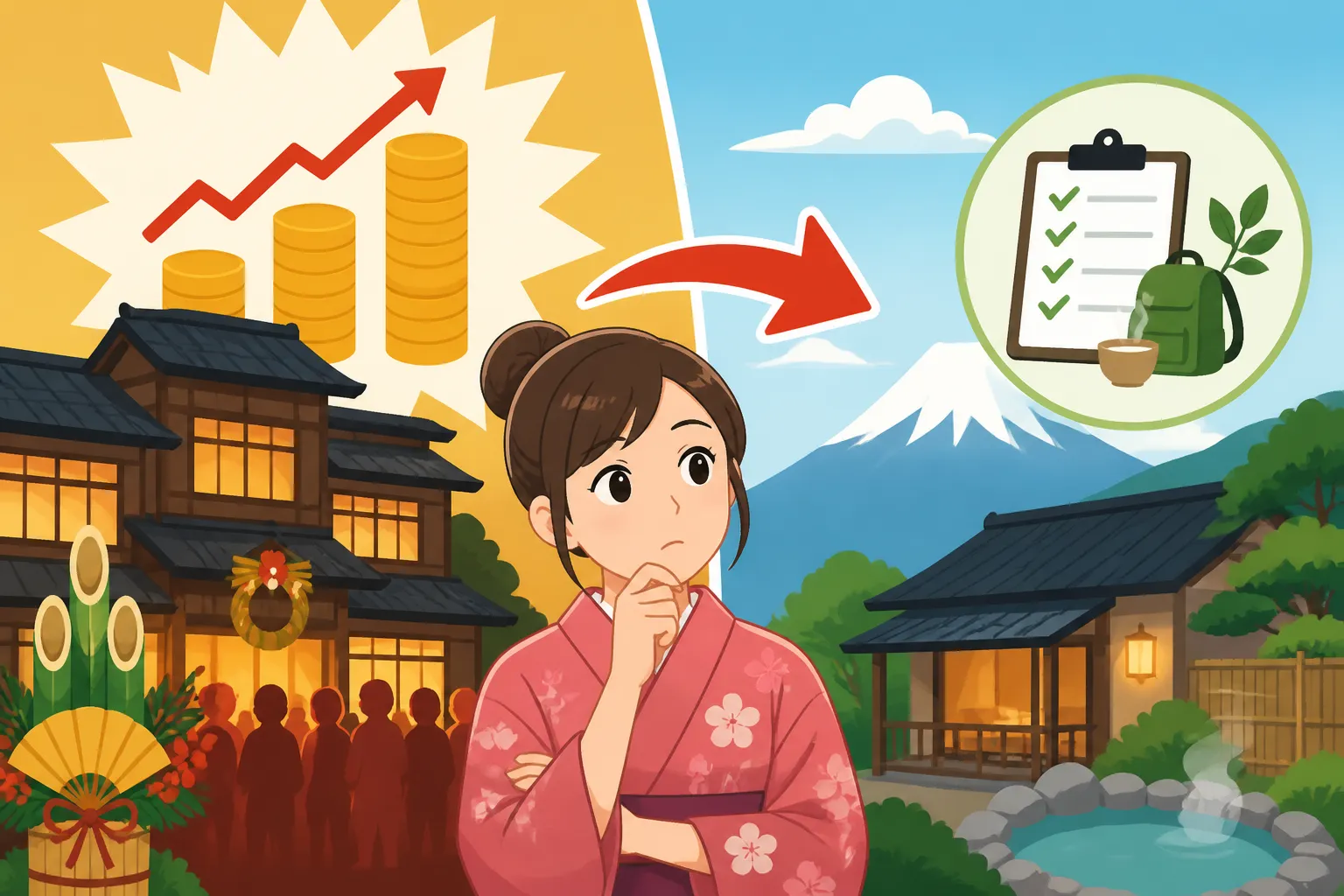
Ah, New Year's in Japan, or Shōgatsu as it's known here. It’s a magical time, filled with ancient traditions, the scent of pine and crisp winter air, and the joyful ringing of temple bells. But if you’ve ever tried to book a cozy ryokan for this period, you’ve probably experienced a phenomenon that feels less like magic and more like a cruel joke: those eye-watering prices. Why do ryokan rates triple, or even quadruple, during this specific window, and what can you, a savvy traveler or expat, do about it? Let’s dive into the realities of New Year travel and lodging in Japan.
Disclosure: This post may contain affiliate links. We may earn a commission at no extra cost to you if you make a purchase through these links. Read full disclosure.
The New Year's Spike: Understanding the Ryokan Pricing Phenomenon
I remember my first New Year here, excitedly planning a trip to a scenic onsen town, only to stare in disbelief at the booking sites. A charming ryokan that was ¥20,000 a night in November was suddenly ¥70,000! It wasn't just that one place; it was everywhere. This isn’t a conspiracy; it’s a deep-rooted cultural and economic reality.
A Deep Dive into Shōgatsu Culture
For Japanese families, New Year is the most important holiday of the year, even more so than Christmas or summer vacation. It's a time for family reunions, for reflecting on the past year, and for making wishes for the future. People travel back to their hometowns, visit temples and shrines for hatsumode (the first shrine visit of the year), and partake in special meals like osechi ryori – beautifully arranged traditional dishes meant to bring good fortune.
Imagine trying to book a prime beach resort during summer vacation or a ski lodge during Christmas week in your home country, and then multiply that demand by a factor of ten, and you're getting closer to the Shōgatsu rush. Many Japanese view a New Year's getaway, particularly to an onsen (hot spring) ryokan, as a quintessential way to welcome the new year, offering a peaceful retreat from city life. This enormous domestic demand creates an intense bottleneck for accommodation, especially for the coveted traditional inns. If you want to dive deeper into the traditions, check out our guide on New Year in Japan: Hatsumode, Food, and Closures.
Supply and Demand Dynamics
The fundamental economic principle of supply and demand plays a huge role here. Traditional ryokan, by their very nature, often have a limited number of rooms. They prioritize personalized service, intricate meals, and a tranquil atmosphere over sheer guest volume. When millions of people across Japan, plus a growing number of international visitors, all want to experience this unique period, those limited rooms become hot commodities.
Many ryokan also staff up significantly for the New Year, often bringing in extra chefs for the elaborate osechi and special kaiseki dinners, and additional service staff to ensure impeccable omotenashi. This increased operational cost, coupled with the immense demand, translates directly into higher prices. It’s not simply about profit; it’s about covering the specialized, high-quality experience they offer during this peak, sacred time.
The 'Omotenashi' Premium and Special Offerings
You might think, "Why is it so much more expensive when the room itself hasn't changed?" Well, a New Year's ryokan stay often includes far more than just a room and a standard breakfast. Many packages during Shōgatsu are all-inclusive, featuring multi-course kaiseki dinners tailored for the festive season, the aforementioned osechi ryori for breakfast, and sometimes even special New Year's activities, traditional sake tastings, or even a small gift.
This omotenashi, or wholehearted hospitality, is ramped up during Shōgatsu. It’s a commitment to providing an unforgettable, culturally rich experience rather than just a place to sleep. While it adds to the cost, it also means you’re often getting a truly special experience that you wouldn't find at other times of the year. Understanding Ryokan Etiquette: Yukata, Kaiseki, and Quiet Hours will help you appreciate these nuances even more.
Strategies to Navigate New Year's Accommodation Costs
So, you're not deterred by the price tag, or perhaps you just want to experience the magic without completely breaking the bank. Good for you! It's absolutely possible with a bit of strategic planning.
Book Early, Like, Really Early
This is perhaps the single most important piece of advice. For popular ryokan in classic destinations like Kyoto, Hakone, or Nikko, people start booking a year in advance. Seriously. I've known friends who booked their New Year's ryokan stay over 10 months ahead of time. The moment a ryokan opens its books for the following year's New Year period, those dates get snapped up instantly, often by domestic travelers who know the drill.
If you have your heart set on a specific ryokan or a popular onsen town, set reminders for yourself well in advance. Check the ryokan’s direct website and major booking platforms like Agoda regularly for when their New Year inventory becomes available. The earlier you book, the more choice you'll have, and sometimes, you might even snag an earlier bird discount – though these are rare for Shōgatsu. Flexibility with your exact dates can also unlock more options; sometimes, shifting your stay by just a day or two can open up availability.
Explore Alternative Accommodation Types
While the traditional ryokan experience is iconic, it's not the only way to experience Japan during New Year's. There are plenty of other options that can offer comfort, convenience, and a much lighter blow to your wallet.
Hotels: Western Comfort, Japanese Efficiency
Modern hotels, especially larger chain hotels in major cities like Tokyo, Osaka, and Fukuoka, can be a fantastic alternative. While they might not offer the same intimate charm as a family-run ryokan, they often have more rooms, are less impacted by the Shōgatsu pricing surge (though still higher than off-peak), and provide amenities like English-speaking staff and consistent service. Many offer their own versions of New Year's celebrations, from special menus to countdown parties. You can find a vast selection on platforms like Agoda, from luxury international brands to efficient Japanese business hotels.
Serviced Apartments and Vacation Rentals
If you're traveling with family or a group, or simply prefer more space and the option to cook some of your own meals (which can save a fortune!), serviced apartments or vacation rentals are excellent choices. Sites like Agoda list many of these, giving you access to kitchens, laundry facilities, and a more "local" living experience. This is especially useful during Shōgatsu when many restaurants might have limited hours or be closed. Being able to buy groceries and prepare simple meals can greatly reduce your overall Cost of Living in Japan 2026 – Expenses Breakdown. For more on these, consider Airbnb and Vacation Rentals: House Rules and Neighborhood Etiquette.
Hostels and Guesthouses
For solo travelers or those on a tight budget, hostels and guesthouses offer affordable beds and a chance to meet other travelers. Many of these cater to a younger, more international crowd and might even organize their own low-key New Year's events. While you won't get the lavish osechi ryori, the community vibe can be a different kind of special.
Consider Off-the-Beaten-Path Destinations
Everyone flocks to Kyoto, Hakone, and other postcard-perfect destinations for Shōgatsu. While these places are undeniably beautiful, their popularity drives prices through the roof. Consider venturing to lesser-known, yet equally charming, regions.
For example, exploring smaller cities in Hokkaido, Tohoku, or Kyushu can provide a more authentic and affordable New Year experience. You might discover hidden onsen towns with fewer crowds and more reasonable ryokan rates, or unique local festivals that aren't on every tourist's radar. You could still find wonderful traditional accommodations, but without the intense competition and peak pricing of the Golden Route destinations. Plus, escaping the urban bustle can offer a more serene way to usher in the new year.
Finding Value During the New Year: Tips and Tricks
Even with the higher prices, there are ways to find value and make your Shōgatsu trip memorable without feeling fleeced.
Leverage Online Booking Platforms for Best Deals
This is where your digital tools come into play. Reputable online travel agencies (OTAs) are your best friends for finding accommodations. Platforms like Agoda are particularly strong in Asia, offering a wide range of properties from budget hostels to luxury ryokan and hotels. What makes Agoda a go-to for many expats and tourists is its extensive filter options, allowing you to easily sort by price, property type, amenities, and even specific dates.
Here's how to maximize your search:
- Compare fiercely: Don't just check one site. Cross-reference prices for the same property across different platforms, including the hotel's or ryokan's direct website. Sometimes direct bookings offer special perks, but often Agoda has competitive pricing, especially for non-traditional lodging options.
- Utilize flexible dates: As mentioned, even shifting your arrival or departure by a day can yield different pricing. Use Agoda's flexible date views to spot these opportunities.
- Look for package deals: Occasionally, a hotel might offer a "New Year's Package" that seems pricey upfront, but actually includes several meals, activities, or spa access that would cost more if booked separately. Read the fine print carefully to ensure you're getting value. Agoda sometimes highlights these types of bundles.
- Consider cancellation policies: During peak times, booking policies can be strict. Pay close attention to cancellation deadlines and fees, especially if your travel plans aren't set in stone. Agoda clearly displays these conditions, which is super helpful.
Look for Special Packages and Promotions
Beyond just the room, some hotels and even some modern ryokan offer New Year's specific packages that, while still more expensive than a regular night, can actually be a good deal if they align with your interests. These might include:
- All-inclusive meals: Multi-course kaiseki dinners, osechi ryori breakfasts, and sometimes even a New Year's Eve party or late-night snacks.
- Cultural experiences: Opportunities for mochitsuki (rice cake pounding), calligraphy sessions, or private access to hatsumode events.
- Transportation: In some remote onsen towns, packages might include shuttle services from the nearest train station, which can be a lifesaver during a busy period.
Always calculate the individual costs of these components if you were to book them separately. You might find that a comprehensive package is actually more cost-effective and convenient than trying to piece everything together yourself, especially if you plan to immerse yourself in the local culture.
Be Flexible with Your Dates
The absolute peak for New Year's in Japan typically runs from December 31st to January 3rd. If you can, try to schedule your trip around these dates.
- Arrive early: Coming to Japan a week or two before New Year's Eve means you can experience the festive build-up (markets, illuminations, special events) without the intense crush and price hike of the absolute peak. You might even find better deals on flights.
- Stay past the rush: If you stay until January 4th or 5th, you’ll notice a significant drop in accommodation prices as domestic travelers return to work and school. You can still enjoy some lingering New Year's decorations and a more relaxed atmosphere. This also applies to popular attractions; for instance, if you want to respectfully visit popular spots, planning around the absolute peak can help you adhere to advice on Overtourism in Japan: How to Visit Kyoto and Mt. Fuji Respectfully in 2027.
A little shift in your itinerary can save you a pretty penny on your hotel or ryokan. Remember to explore different date combinations on Agoda to see the price fluctuations.
The Experience: Is the New Year Trip Worth the Price Tag?
After all this talk about soaring prices and strategic planning, the big question remains: Is experiencing New Year's in Japan truly worth the extra effort and cost?
The Magic of Shōgatsu
For many, myself included, the answer is a resounding yes, at least once. There's a profound sense of renewal and tradition during Shōgatsu that is unlike any other time of year. Imagine:
- Quiet Streets: Early on New Year's Day, especially in residential areas, the streets are eerily quiet, giving a peaceful, almost spiritual vibe.
- Temple Bells: Hearing the joya no kane, the 108 bell rings at midnight on New Year's Eve, signifying the cleansing of worldly desires, is a deeply moving experience.
- Hatsumode: Joining the throngs of people at a local shrine or a grand temple like Meiji Jingu for hatsumode, participating in the first prayers of the year, is a vibrant cultural immersion. The energy is palpable, even if the crowds are huge.
- Special Foods: Savoring osechi ryori, trying ozoni (a special soup with mochi), and enjoying warm amazake (sweet fermented rice drink) are culinary delights tied to the season.
It's a time when Japan truly shines in its cultural depth, offering glimpses into traditions that have been passed down for centuries. This truly unique atmosphere often makes the expense and planning feel worthwhile for those seeking a deep cultural connection.
Managing Expectations
However, it's crucial to manage your expectations realistically. Japan during New Year's is not the same as visiting during cherry blossom season or autumn foliage.
- Crowds: Popular shrines and temples will be extremely crowded, particularly on January 1st. Be prepared for long lines and slow-moving foot traffic.
- Closures: Many shops, restaurants (especially smaller, family-run ones), and even some tourist attractions will be closed from December 29th or 30th until January 3rd or 4th as people celebrate with their families. Always check opening hours in advance. This can be frustrating if you’re looking for a lively shopping or dining experience.
- Limited Services: Public transport might run on a reduced schedule. Cash might be preferred at some smaller establishments, so having yen on hand is a good idea.
If your ideal trip involves bustling city life, constant entertainment, and spontaneous dining, New Year's might be a bit challenging. But if you embrace the cultural significance, plan meticulously, and perhaps book smart using platforms like Agoda, you can have an incredibly rewarding experience. Japanese Cultural Etiquette 101 for Newcomers will definitely come in handy for navigating these social nuances.
So, yes, New Year's in Japan comes with a hefty price tag for those charming ryokan stays, driven by deep cultural significance and massive domestic demand. But with forethought, flexibility, and smart use of booking tools like Agoda, you absolutely can unlock a truly special and memorable Shōgatsu experience. It's a unique opportunity to see a different, more traditional side of Japan, and for many, that’s priceless.
Disclaimer
This article is for general informational purposes only and does not constitute professional advice. Laws, prices and regulations vary by location and change over time. Consult a qualified professional for guidance on your specific situation.