Where to Stay Near Mt. Fuji: Kawaguchiko, Fujiyoshida, and Gotemba
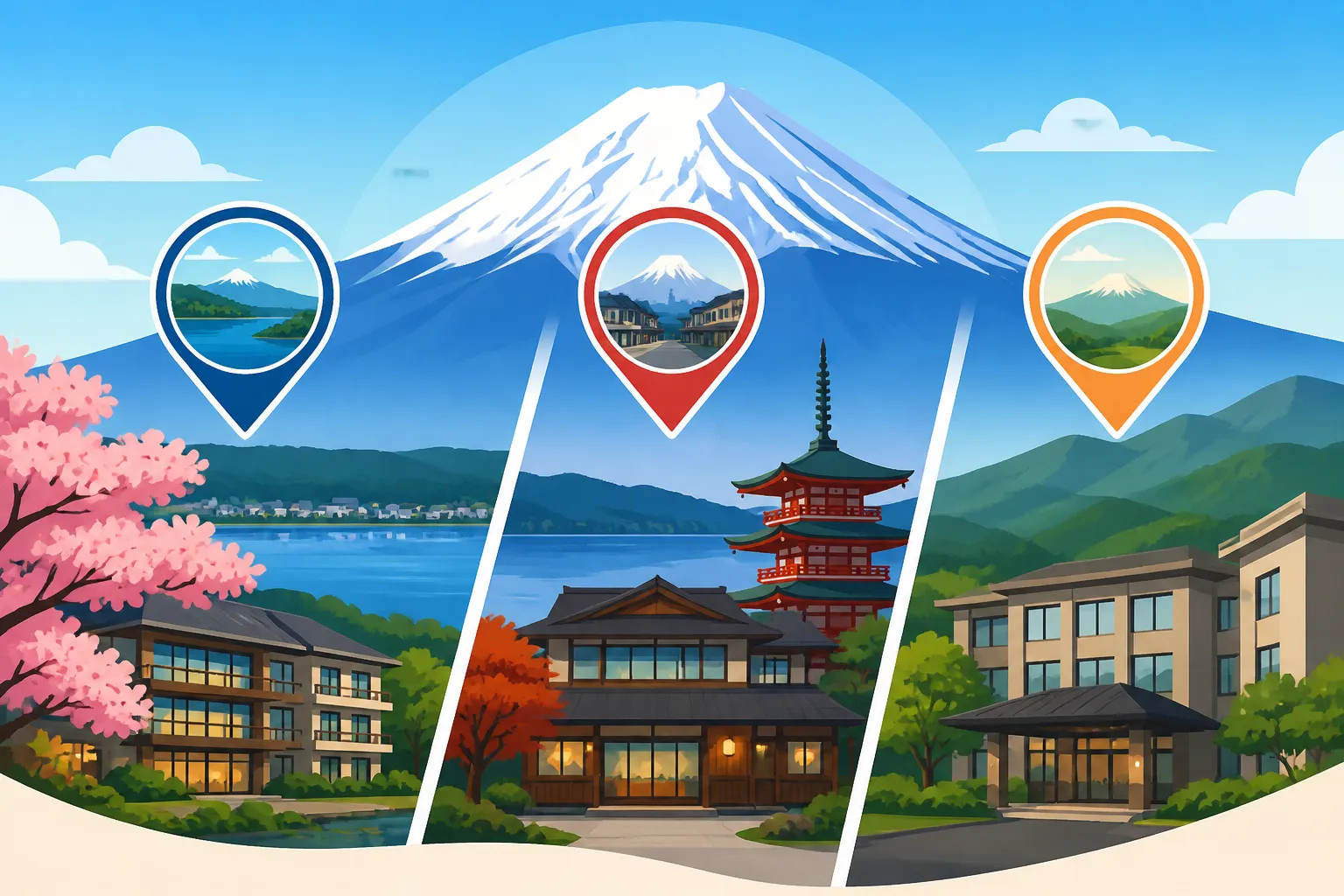
Oh, the majestic Mount Fuji! It calls to so many of us, doesn't it? But once you decide to embark on that journey to witness its grandeur up close, a new challenge arises: where on earth do you actually stay? It’s not as simple as picking a spot on a map; each town surrounding Fuji-san offers a completely different vibe, set of activities, and logistical hurdles. This guide will cut through the confusion and help you decide whether Kawaguchiko, Fujiyoshida, or Gotemba is your ideal base for experiencing Japan's iconic peak.
Disclosure: This post may contain affiliate links. We may earn a commission at no extra cost to you if you make a purchase through these links. Read full disclosure.
Kawaguchiko: The Classic Lakeside Vista
When most people dream of seeing Mount Fuji, the image they have in their head is often a serene lakeside view, perhaps with cherry blossoms or autumn leaves framing the iconic cone. That image usually comes from Lake Kawaguchiko. This is, without a doubt, the most popular and developed area for tourists looking for those postcard-perfect views. It’s vibrant, bustling with activity, and offers a comprehensive tourist experience.
The Kawaguchiko Experience: Iconic Views and Tourist Amenities
Kawaguchiko is essentially ground zero for the quintessential Mount Fuji experience. The lake itself is one of the Fuji Five Lakes, and it boasts some of the most stunning, unobstructed reflections of Fuji on its surface, especially on clear, calm mornings. You'll find a plethora of attractions catering directly to visitors, making it a super convenient hub if you're not fluent in Japanese or if you prefer a well-trodden path.
Imagine waking up, drawing back the curtains of your hotel room, and seeing Mount Fuji right there, larger than life, perhaps with a soft mist clinging to its base. This dream is a daily reality for many in Kawaguchiko. The northern shores of the lake are particularly famous for this, with numerous hotels and ryokan (traditional Japanese inns) specifically designed to offer room with a view. You can take a leisurely stroll along the lake, rent a paddle boat, or even hop on the sightseeing cruise for different perspectives. During spring, the area around the Northern Shores Walking Trail transforms into a tunnel of cherry blossoms, while in autumn, the Momiji Tunnel (Maple Corridor) blazes with fiery reds and oranges, all with Fuji as the ultimate backdrop.
The accessibility is also a huge draw. Direct buses run from major Tokyo hubs like Shinjuku, making it easy to reach even without a Japan Rail Pass. Once you're there, a network of sightseeing buses circles the lake, connecting all the main attractions like the Kachi Kachi Ropeway, various art museums (the Itchiku Kubota Art Museum is particularly stunning), and even an amusement park, Fuji-Q Highland, which is a short bus ride away. The tourist information center near Kawaguchiko Station is incredibly helpful and often has English-speaking staff. They can assist you with local bus passes, maps, and even booking specific activities. Finding a great place to stay that fits your budget and offers stunning views is made easy with platforms like Agoda, which showcases a vast selection from luxury resorts to cozy guesthouses.
Pros and Cons of Staying in Kawaguchiko
Every rose has its thorns, and Kawaguchiko, despite its undeniable beauty, comes with its own set of trade-offs.
The Upsides: Convenience and Beauty
The biggest advantage of Kawaguchiko is its sheer convenience. As mentioned, transportation from Tokyo is straightforward. Once there, getting around to the sights is also very easy thanks to the local bus loops and a taxi stand right outside the station. You won't feel stranded or lost, which can be a real relief for first-time visitors to Japan.
Secondly, the views. Honestly, they are unparalleled. Whether it's the iconic "upside-down Fuji" reflection in the lake, the mountain peeking through a canopy of autumn leaves, or serving as a majestic backdrop to a flower festival, Kawaguchiko delivers on the visual front. Many accommodations, from grand hotels to quaint guesthouses, offer rooms with direct Fuji views, allowing you to enjoy the spectacle from the comfort of your bed or a private onsen. This means you're not just visiting Fuji; you're truly living with it for the duration of your stay. When you're looking to secure one of these prime spots, Agoda is an excellent resource for comparing prices and availability.
You’ll also find a wide range of dining options, from traditional Japanese fare to more Western-friendly restaurants, and plenty of souvenir shops to pick up local crafts or Fuji-themed trinkets. The area is well-equipped with ATMs, convenience stores, and even a few supermarkets, so you’ll have everything you need within easy reach. The sheer number of choices also translates into a wide price range for accommodation, meaning you can find something whether you're on a tight budget or looking to splurge on a luxurious ryokan experience. For those seeking top-tier comfort, looking into Hotels vs Ryokan vs Minshuku: Choosing the Right Stay might be beneficial.
The Downsides: Crowds and Higher Prices
The popularity of Kawaguchiko, while a benefit for convenience, also means crowds. Especially during peak seasons like cherry blossom season, Golden Week, or autumn foliage, the area can get incredibly busy. Bus stops might have long queues, popular viewpoints can be packed with selfie-takers, and restaurants might require reservations. If you're someone who prefers a more tranquil, off-the-beaten-path experience, Kawaguchiko might feel a bit overwhelming.
The prices in Kawaguchiko also tend to be higher than in neighboring areas. Accommodation, particularly those with prime Fuji views or private onsen baths, can be quite expensive. Food and activities, while abundant, also reflect the tourist-centric pricing. If you're traveling on a tight budget, you might find your yen disappearing faster than you'd like. However, even with higher prices, you can often snag a good deal by booking well in advance and comparing options on platforms like Agoda, especially if you're flexible with your travel dates. Sometimes, a slight adjustment to your schedule can result in significant savings without compromising the view.
Another minor drawback is that while you're near Fuji, you're not exactly immersed in a local Japanese town feel. It's very much a resort area, designed for visitors. If you're craving an authentic glimpse into everyday Japanese life, you might find Kawaguchiko a bit too polished and touristy.
Fujiyoshida: The Authentic Local Vibe
Just a stone's throw from Kawaguchiko, yet a world apart in atmosphere, is Fujiyoshida. This city offers a more local, authentic Japanese experience, focusing less on manicured lake views and more on the raw, urban-meets-mountain reality of living in Fuji's shadow. It's where many locals who work in the area reside, giving it a much different character.
Fujiyoshida's Charm: Chureito Pagoda and Traditional Streets
Fujiyoshida has recently gained significant popularity among international visitors, largely due to the iconic Chureito Pagoda at Arakurayama Sengen Park. This five-storied pagoda, with Mount Fuji majestically rising behind it and a sea of cherry blossoms in the foreground during spring, is arguably the most famous photograph of Japan. It’s a breathtaking sight, and the hike up to the pagoda viewpoint is well worth the effort.
Beyond the pagoda, Fujiyoshida is a city with a rich history, particularly as a gateway for pilgrims climbing Mount Fuji. You can still feel that historical weight in areas like the Honcho-dori shopping street, where retro storefronts and old-school signs transport you back in time. This street, especially at dawn or dusk, perfectly frames Mount Fuji at the end of its perspective, creating another stunning photo opportunity that feels less crowded than Kawaguchiko's lakeside. You'll find local eateries, charming cafes, and small, family-run shops here, offering a genuine slice of Japanese life.
The city is also known for its textile industry, and you might stumble upon some unique local crafts. The famous Yoshida no Udon noodles are a must-try – thick, chewy noodles served in a rich broth, a perfect hearty meal after a day of exploring. For those looking to delve deeper into the local culture, Fujiyoshida provides a fantastic base. And while accommodation options might not be as vast or as flashy as in Kawaguchiko, you can find some real gems, from traditional guesthouses to modern boutique hotels. Checking Agoda early is always a good strategy to find the best selection and value, as unique spots often book up quickly.
Pros and Cons of Choosing Fujiyoshida
Let's weigh the benefits and drawbacks of making Fujiyoshida your Fuji base.
The Upsides: Authenticity and Budget-Friendliness
The primary draw of Fujiyoshida is its authentic local atmosphere. Unlike the more tourist-polished Kawaguchiko, Fujiyoshida feels like a real Japanese town where people live, work, and go about their daily lives. You'll interact more with locals, eat at eateries that cater to a Japanese palate, and generally get a more genuine cultural experience. This can be incredibly rewarding for travelers who want to see beyond the typical tourist traps.
Budget-friendliness is another significant advantage. Accommodation options, while perhaps not always offering direct Fuji views from every window, are generally more affordable than in Kawaguchiko. This extends to food, souvenirs, and even local transportation. If you're looking to stretch your travel budget further without sacrificing proximity to Fuji-san, Fujiyoshida is an excellent choice. This is especially true if you are looking for Money-Saving Guide for Families in Japan or generally want to be more frugal. With Agoda, you can filter by price to find economical yet comfortable stays, freeing up more cash for experiences or delicious local food.
From Fujiyoshida, you still have relatively easy access to Lake Kawaguchiko via local train or bus, so you can enjoy the best of both worlds – the serene lakeside views by day and the quiet, local charm of Fujiyoshida by night. This blend of accessibility to major sights and local immersion makes it a very appealing option for many expats and long-term travelers.
The Downsides: Fewer Direct Views and Limited High-End Options
While Fujiyoshida offers the iconic Chureito Pagoda view, fewer accommodations boast direct, panoramic Mount Fuji views from their rooms compared to Kawaguchiko. You might need to step outside or head to a specific viewpoint to get that picture-perfect shot. If waking up to Fuji outside your window is a non-negotiable part of your trip, you might find Fujiyoshida a bit lacking in this department.
The range of high-end, luxurious accommodation options with extensive amenities like large onsen complexes or gourmet dining might also be more limited in Fujiyoshida. While there are lovely guesthouses and comfortable hotels, if you're seeking a truly opulent stay, Kawaguchiko or even Gotemba (which we’ll get to next) might offer more choices. Again, this is where a booking platform like Agoda becomes invaluable, allowing you to quickly check what’s available in your desired category in Fujiyoshida versus other areas. You might find a hidden gem, but the sheer volume of luxury options will be less.
Furthermore, while public transport connects Fujiyoshida to Kawaguchiko and other areas, it might not be as frequent or as exclusively tourist-focused as Kawaguchiko's sightseeing buses. This means you might need a bit more planning or willingness to walk to get around, especially if you're relying solely on public transport. However, the local train line (Fujikyuko Line) offers scenic rides and convenient connections.
Gotemba: Shopping, Onsen, and Hakone Gateway
Nestled on the southeastern side of Mount Fuji, Gotemba presents yet another distinct flavor for your Fuji adventure. It's a city perhaps best known for its premium outlet mall, but it also serves as an excellent gateway to the popular Hakone region and offers different perspectives of Fuji-san.
Gotemba's Offerings: Retail Therapy and Nature's Doorstep
Gotemba is a strategic location for several reasons. First and foremost, the Gotemba Premium Outlets are a massive draw, boasting hundreds of international and Japanese brands at discounted prices. It’s a shopper’s paradise, and on clear days, you can even spot Mount Fuji towering majestically behind the complex. This unique blend of high-end retail and natural beauty makes it a popular stop for many visitors.
Beyond the retail therapy, Gotemba is often seen as a gateway to the stunning Hakone National Park, famous for its hot springs, Lake Ashi, and views of Fuji (though from a greater distance than Kawaguchiko). If your itinerary includes both Mount Fuji and Hakone, staying in Gotemba can provide a convenient logistical middle ground. Regular bus services connect Gotemba with various points in Hakone, including Togendai (for the ropeway and Lake Ashi cruises) and Gora (for art museums and other attractions).
While not as famous for its direct, close-up Fuji views as Kawaguchiko, Gotemba does offer some lovely vistas, particularly from slightly elevated areas or specific parks. Its location on the eastern side of Fuji means you get a different angle, which can be quite refreshing. The city itself is more spread out and has a functional, suburban feel, with all the necessary amenities like supermarkets, pharmacies, and a decent selection of restaurants. For those who appreciate a balance of urban convenience, shopping opportunities, and natural access, Gotemba hits the spot. And finding accommodations, from business hotels to ryokan with hot springs, is simple when you use Agoda to search and book.
Pros and Cons of Making Gotemba Your Base
Here's a breakdown of what to expect when choosing Gotemba.
The Upsides: Shopping, Hakone Access, and Varied Views
The undeniable major advantage of Gotemba is the shopping. If you love hunting for bargains or simply enjoy a good retail experience, the Premium Outlets are a destination in themselves. You can easily spend a full day or more there, enjoying the discounts and array of shops.
Secondly, its strategic location as a launchpad for Hakone is a huge plus. Hakone offers a completely different, yet equally captivating, natural and cultural experience, from its steaming onsen valleys to serene lake cruises. If you want to seamlessly combine your Fuji trip with the Hakone "Golden Route," Gotemba is an ideal base. Thinking about other destinations? Check out Weekend Getaways from Tokyo: Best Destinations for Expats for more ideas.
Gotemba also tends to offer a wider variety of accommodation types, including some larger resort hotels with private onsen facilities that might be a bit more modern or geared towards larger groups. While perhaps not as quaint as some Kawaguchiko ryokan, they can offer excellent value, especially if you book through platforms like Agoda which often have exclusive deals. You might also find cheaper rates here compared to the peak season prices in Kawaguchiko, particularly if you’re traveling outside of major Japanese holidays.
The Downsides: Less "Direct" Fuji Focus and Limited Public Transport Within
While you can see Mount Fuji from Gotemba, it's generally from a greater distance, and the immediate surroundings aren't as focused on Fuji-centric scenic beauty as Kawaguchiko. The city itself is more sprawling, and you might not get that intense "Fuji is right here!" feeling that you would from the lakeside. If your sole purpose is to wake up to a colossal, in-your-face Fuji vista, Gotemba might not be the best fit.
Public transportation within Gotemba city and to some of the more local Fuji viewpoints might be less frequent than in Kawaguchiko. While buses to the outlets and Hakone are good, exploring the more rural parts of Gotemba or reaching some specific local attractions might be easier with a car. This is important to consider, especially if you prefer not to drive in Japan. For those who do consider driving, a read of Renting Cars in Japan: Tolls, ETC, Driving Etiquette could be very helpful.
Furthermore, outside of the Premium Outlets, the city doesn't have as much of a dedicated "tourist town" feel. While this can be a pro for some seeking authenticity, it means fewer English-speaking services or amenities directly catering to international visitors compared to Kawaguchiko. However, for seasoned travelers or those comfortable navigating a bit more independently, this won't be a major hurdle.
Comparing Your Mount Fuji Base Options
To help you visualize the differences and make an informed decision, let's put these three fantastic areas side-by-side.
| Feature / Area | Kawaguchiko | Fujiyoshida | Gotemba |
|---|---|---|---|
| Main Appeal | Iconic lake views, comprehensive tourist facilities | Authentic local vibe, Chureito Pagoda, budget-friendly | Outlet shopping, Hakone access, varied onsen |
| Fuji Views | Up close, reflective lake views, easily accessible | Chureito Pagoda, street views, local angles | Distant but beautiful, especially from outlets |
| Atmosphere | Bustling, tourist-centric, resort feel | Local, traditional, residential | Suburban, commercial, practical |
| Accommodation | Wide range, luxury ryokan, many Fuji-view rooms (higher price) | More affordable, guesthouses, local hotels (fewer direct Fuji views) | Business hotels, resort hotels, onsen ryokan (good value) |
| Transportation | Excellent local bus loops, direct Tokyo buses | Good local train to Kawaguchiko, less internal bus | Good bus connections to Hakone/Outlets, easier with a car for local exploration |
| Crowd Levels | High, especially during peak season | Moderate, except for Chureito Pagoda | Moderate, can be busy at outlets |
| Dining Options | Diverse, caters to international tastes | Authentic local eateries, Yoshida no Udon | Standard Japanese fare, outlet food courts |
| Recommended For | First-time visitors, photography enthusiasts, those seeking convenience, families | Budget travelers, culture seekers, repeat visitors, those avoiding crowds | Shoppers, those combining Fuji with Hakone, car travelers, those seeking good value |
Remember that your ideal choice will ultimately depend on your priorities. Do you value convenience and those classic views above all else? Or are you looking for a deeper dive into local life? Perhaps a bit of retail therapy and easy access to other attractions?
Practical Tips for Booking Your Stay Near Mt. Fuji
No matter which area calls to you, a little savvy planning can go a long way in ensuring a smooth and enjoyable trip.
Booking in Advance is Key
Mount Fuji is one of Japan's most popular destinations, drawing both international tourists and domestic travelers. This means that desirable accommodations, especially those with good Fuji views or unique features like private onsen, book up incredibly fast. If you have specific dates or a particular type of stay in mind, do yourself a huge favor and book well in advance. We're talking months, especially if you're traveling during peak seasons like cherry blossom season, autumn foliage, or any major Japanese holiday (Golden Week, Obon, New Year).
Using a reliable booking platform like Agoda is invaluable here. Their extensive selection allows you to compare a wide array of hotels, ryokan, guesthouses, and even vacation rentals across Kawaguchiko, Fujiyoshida, and Gotemba. You can filter by price, guest rating, specific amenities (like "Fuji view" or "private onsen"), and even proximity to landmarks. This helps you zero in on exactly what you need without endless searching across multiple sites. I've personally found some fantastic deals and unique stays through Agoda that I wouldn't have discovered otherwise. Plus, being able to read reviews from other travelers can save you from potential disappointments.
Consider Transportation Logistics
When choosing your base, always factor in how you plan to get there and how you'll get around once you arrive.
Public Transport Convenience
If you're relying solely on public transportation, Kawaguchiko is generally the most straightforward option. Direct highway buses from Shinjuku, Tokyo, drop you right at Kawaguchiko Station, and the local sightseeing buses make getting to most attractions a breeze. The Fuji-Q Highland bus stop is also quite accessible.
Fujiyoshida is well-connected by the Fujikyuko train line to Kawaguchiko and a few direct highway buses also serve it. Once in Fujiyoshida, getting to the Chureito Pagoda is easy, but exploring other parts of the city might involve more walking or less frequent bus services.
Gotemba has direct bus lines from Shinjuku, and excellent bus connections to the Premium Outlets and various points in Hakone. However, if you want to explore the more localized sights around Gotemba or other smaller towns on the Fuji side, you might find yourself waiting for buses or needing to rely on taxis.
Driving for Flexibility
For maximum flexibility, especially if you plan to explore multiple lakes, venture into the more rural areas, or combine your trip with Hakone, renting a car can be a game-changer. This is particularly true for Gotemba, where driving can open up many more possibilities for exploration. Having your own wheels means you’re not beholden to bus schedules and can chase those fleeting clear-sky Fuji views without a second thought. Just remember that driving in Japan can be a bit different, so brush up on the rules! If you're considering this, take a look at our guide on Driving in Japan: Converting Your License & Car Buying Tips. When you're booking your stay through Agoda, you can often filter for properties with parking, which is a huge plus when you have a car.
Embrace Different Accommodation Types
Japan offers a fascinating array of lodging options, and your Mount Fuji trip is the perfect opportunity to experience something beyond a standard hotel.
Ryokan and Onsen Hotels
For a truly immersive Japanese experience, consider staying at a ryokan (traditional Japanese inn) or an onsen hotel. Many in Kawaguchiko and Gotemba offer beautiful tatami-mat rooms, delicious kaiseki (multi-course traditional dinner), and access to hot spring baths, often with breathtaking views of Mount Fuji. Imagine soaking in a warm onsen bath, surrounded by nature, with Fuji-san in the distance – pure bliss! Some places even offer private onsen within your room. Keep an eye out for these on Agoda, as they are truly special.
Guesthouses and Hostels
If you’re on a tighter budget or prefer a more social atmosphere, guesthouses and hostels are abundant, especially in Fujiyoshida and around Kawaguchiko Station. These often provide shared facilities, private rooms, and a chance to meet fellow travelers. They’re a fantastic way to save money and gain local insights from staff or other guests.
Vacation Rentals
For families or groups, a vacation rental can offer more space and amenities like a kitchen, allowing you to prepare some of your meals and save on dining costs. These are becoming increasingly popular and can be found on Agoda, giving you a home-away-from-home feel near Fuji.
Don't Forget Connectivity
In today's connected world, having reliable internet access is crucial for navigation, checking weather forecasts (essential for Fuji views!), and sharing your incredible photos. Whether you opt for a pocket WiFi device, a local SIM card, or an eSIM, ensure you have your connectivity sorted. Many hotels offer free Wi-Fi, but having your own portable option gives you peace of mind while exploring. For more details, check out Staying Connected in Japan: Pocket WiFi vs eSIM.
Ultimately, the area you choose for your stay near Mount Fuji will significantly shape your experience. Kawaguchiko offers convenience and classic beauty, Fujiyoshida provides authentic local charm, and Gotemba is a great choice for shoppers and those exploring Hakone. Each has its unique appeal, and with a little planning – and a great booking tool like Agoda – you’re sure to find the perfect base for your unforgettable journey to Japan's sacred peak.
Disclaimer
This article is for general informational purposes only and does not constitute professional advice. Laws, prices and regulations vary by location and change over time. Consult a qualified professional for guidance on your specific situation.