Buying from Japan to India: Customs Guide
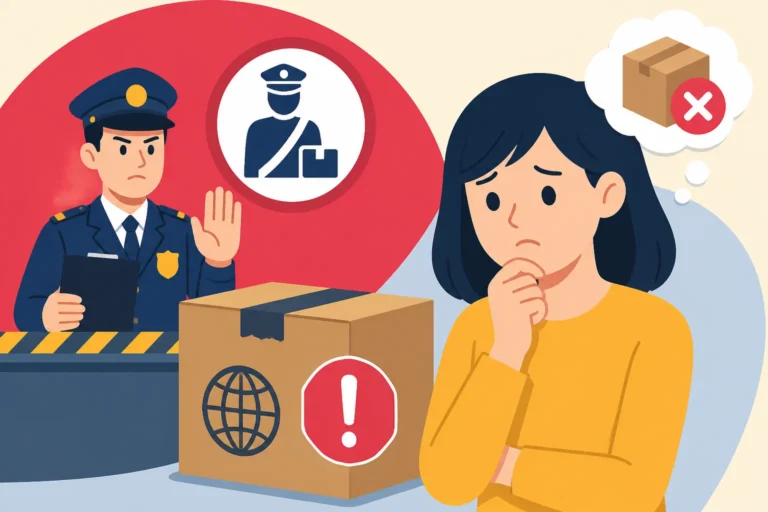
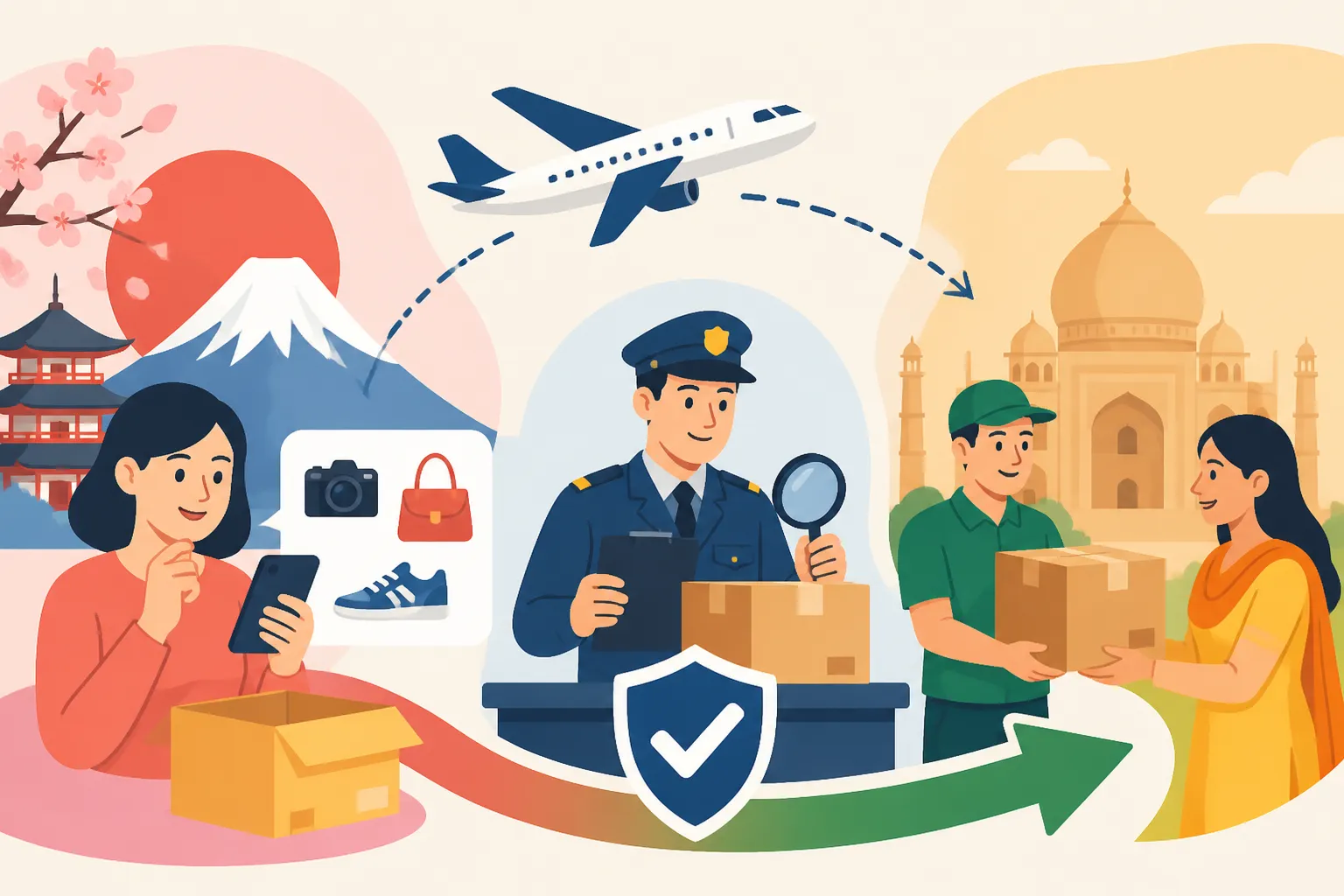
Let's be real, the siren song of Japanese products is hard to resist, isn't it? Whether it’s that specific limited-edition anime figure, the latest tech gadget, or some of Japan's legendary beauty products, finding them in India can be a real headache. You often hit dead ends with international shipping or get slapped with unexpected fees. This guide is here to break down the ins and outs of buying from Japan and shipping to India, with a special focus on demystifying the sometimes-daunting customs process.
Disclosure: This post may contain affiliate links. We may earn a commission at no extra cost to you if you make a purchase through these links. Read full disclosure.
The Allure of Japanese Goods for India-Bound Shoppers
Expats living in Japan often see the incredible quality and unique offerings this country boasts. And I totally get why so many of you back in India are eager to get your hands on them. There's a certain magic to Japanese craftsmanship, innovation, and culture that makes its products incredibly desirable worldwide, and India is no exception.
Why Japan Holds a Special Place for Indian Consumers
It’s not just about what you can't find locally; it's about the unique value proposition. Think about it: where else can you find such meticulously crafted skincare, cutting-edge electronics designed for efficiency, or fashion that blends traditional aesthetics with modern sensibilities?
For many in India, Japanese consumer goods represent a blend of quality, innovation, and often, a touch of pop culture cool. You might be dreaming of:
- Anime and Manga Merchandise: Limited edition figures, collectible cards, unique apparel – often exclusive to the Japanese market. Trying to snag these can feel like a quest, and rightly so!
- Electronics and Gadgets: From specialized cameras to unique kitchen appliances, Japanese electronics are known for their reliability and advanced features. Sometimes, the models available here are just a cut above.
- J-Beauty and Skincare: Brands like Shiseido, SK-II, and Hada Labo are legendary for their innovative formulas and effectiveness. Many of these aren't easily available or are significantly more expensive in India. If you’re into your beauty routine, you know the struggle is real to find that perfect Japanese Sunscreen for Face.
- Fashion and Streetwear: Japan’s street style is iconic, and specific brands or limited drops often don't make it overseas.
- Traditional Crafts and Homeware: From beautiful ceramics to intricate stationery, the attention to detail is just breathtaking. These aren't just items; they're pieces of art.
The problem, of course, is getting them across borders. It’s not always as simple as clicking 'buy' and waiting.
Common Challenges When Shopping from Japan Directly
If you’ve tried buying from Japan before, you’ve probably run into some frustrating roadblocks. It's not always a smooth sail, and that's precisely where the right information can save you a lot of grief (and money!).
- International Shipping Availability: Many Japanese retailers, especially smaller ones or exclusive brand sites, simply don't offer direct international shipping. They cater primarily to the domestic market, which is perfectly understandable from their perspective, but a pain for us!
- Exorbitant Shipping Costs: Even when international shipping is an option, the costs can be astronomical. A small package might suddenly incur fees that outweigh the item's value, making your dream purchase quickly turn into a financial nightmare.
- Language Barriers: Most Japanese e-commerce sites are in Japanese, and while translation tools help, navigating product descriptions, customer service, or return policies can be a minefield.
- Payment Issues: Some sites might not accept foreign credit cards or popular international payment methods, leaving you stranded at checkout.
- The Dreaded Customs Confusion: This is often the biggest mystery. What duties will I pay? How much? Will my package get stuck? The uncertainty alone is enough to deter many.
This is where understanding the system and knowing your options becomes crucial. It’s not impossible to get those coveted Japanese items; you just need to know the secret handshake.
Understanding India's Customs Landscape for Imports from Japan
Alright, let's talk about the big kahuna: Indian customs. This is where most people get tripped up, and honestly, it’s understandable. The rules can feel like a labyrinth, and the lack of transparent information doesn't help. Across many customs systems, it is clear that preparedness is your best weapon.
Key Concepts in Indian Customs Duties
When your package lands in India, it’s going to be assessed for various charges. It’s not just one flat fee; it’s a combination of different duties and taxes. Understanding these components is the first step to not getting caught off guard.
- CIF Value: This is the big one. Customs duties are not just calculated on the product price alone. CIF stands for Cost, Insurance, and Freight. So, it's the value of the goods + shipping costs + insurance costs. This combined value is what India's customs officials use as the base for calculating duties. This is why high shipping costs directly inflate your customs bill – a tough pill to swallow, I know!
- Basic Customs Duty (BCD): This is the primary duty levied on imported goods. The rate varies wildly depending on the type of product. Essential goods might have low BCD, while luxury items or those that compete with domestic industries can have very high rates. For example, some electronics might be around 7.5% to 10%, while certain apparel or consumer goods could be 20% or even higher. It’s a complete guessing game unless you know the specific Harmonized System (HS) code for your item, which can be tough to pinpoint.
- Integrated Goods and Services Tax (IGST): Once the BCD is calculated, the IGST is applied to the CIF value + BCD. This is India's version of a sales tax for imported goods. IGST rates can be 5%, 12%, 18%, or 28%, again depending on the item's category. This is similar to how you'd pay GST on domestic purchases, but it's applied at the border.
- Social Welfare Surcharge (SWS): This is an additional levy, currently at 10% of the aggregate customs duties (BCD + any other duties like anti-dumping if applicable, but usually just BCD). It’s a small percentage, but it adds up!
Let's do a quick hypothetical to illustrate. Say you buy a Japanese collectible for ₹10,000. Shipping costs ₹3,000 (no insurance in this example).
- CIF Value: ₹10,000 (cost) + ₹3,000 (shipping) = ₹13,000
- Assume BCD: 15% of CIF = 0.15 * ₹13,000 = ₹1,950
- SWS: 10% of BCD = 0.10 * ₹1,950 = ₹195
- Total Dutiable Value for IGST: CIF + BCD = ₹13,000 + ₹1,950 = ₹14,950
- Assume IGST: 18% of Dutiable Value = 0.18 * ₹14,950 = ₹2,691
- Total Customs Bill: BCD + SWS + IGST = ₹1,950 + ₹195 + ₹2,691 = ₹4,836
So, an item you thought cost ₹10,000 ends up costing you far more (₹10,000 item + ₹3,000 shipping + ₹4,836 customs) – nearly double! This is why that initial sticker shock is so real.
Prohibited and Restricted Items
Before you even think about buying something, make sure it’s allowed into India. Indian customs are quite strict, and ignorance is definitely not bliss here. You don't want your precious item confiscated or stuck in limbo.
- Prohibited Items: These are a definite no-go. Common examples include narcotics, obscene materials, counterfeit goods, certain animal products (ivory, furs), weapons (unless you have very specific licenses), and certain types of plant materials. Japan has very strict laws on some items too, like cannabis derivatives – even CBD products are tightly regulated, so definitely check "The CBN Ban in Japan (2026): Navigating the New Strict Cannabis Derivative Laws" if you're ever curious about that.
- Restricted Items: These can be imported but require special licenses, permits, or adherence to specific conditions. This often includes some types of electronics (especially communication devices), certain chemicals, food items (often require FSSAI clearance), pharmaceuticals (prescription medicines are tricky), and some types of batteries.
- Food Items: Importing snacks and confectionery is often fine for personal consumption in small quantities, but large amounts or specific ingredients might trigger issues. Be very careful with any meat or dairy products.
- Pharmaceuticals: Bringing prescription medications to Japan has its own rules, and the reverse is true for India. Generally, you need a doctor’s prescription and an official import permit for anything beyond a small personal supply of over-the-counter drugs.
- Electronics with Batteries: Devices with lithium-ion batteries (laptops, cameras, drones) can be restricted or require specific shipping methods due to fire hazards. Check with your chosen shipping carrier about their policies.
Always, always double-check the latest Indian import regulations, especially for items that might fall into grey areas. A quick search on the CBIC (Central Board of Indirect Taxes and Customs) website can save you a lot of heartache.
Navigating the Customs Clearance Process in India
So, your package has landed in India. What now? The customs clearance process can feel opaque, but it generally follows a set procedure, whether you’re dealing with India Post or a private courier like DHL or FedEx.
The Role of the Customs Declaration and Documentation
This is where the paperwork comes in, and getting it right is crucial. The more accurate and detailed the information, the smoother the process.
- Commercial Invoice: This document, typically provided by the seller or the proxy service, details the items in the package, their individual values, and quantities. It's the primary document customs officials use to assess your goods. Crucially, insist on an accurate invoice from your seller or proxy service. Under-declaring values is illegal and can lead to severe penalties, including fines and confiscation. It’s simply not worth the risk.
- Bill of Entry (or Air Waybill/Courier Receipt): For courier shipments, your Air Waybill serves as the primary document. For larger shipments, a formal Bill of Entry might be filed by a customs broker. This document officially records the import of goods.
- Know Your Customer (KYC) Documents: For individuals importing goods, especially through couriers, you'll often be asked for KYC documents, typically your Aadhaar card or PAN card. This is to verify your identity as the importer. If your details aren't properly linked, or if you've never imported before, expect a call or email from the courier asking for these. Don't delay in providing them, as it will hold up your package!
The customs declaration filled out by your proxy service (like Buyee or ZenMarket) will be derived from the information you provide. Make sure to clearly list each item, its accurate value, and a precise description. Don't just write "Gift" or "Miscellaneous" if it's not actually a gift, or if it contains diverse items. That's a red flag for customs.
Calculating Your Potential Customs Bill
As discussed earlier, the total customs bill is a sum of BCD, SWS, and IGST. But how do you really estimate it?
- Identify the HSN Code (if possible): This is the international classification code for your product. If you can find the correct HSN code for your item on the Indian Customs Tariff website (icegate.gov.in), you can look up the exact BCD and IGST rates. This is the most accurate way but often requires a bit of detective work.
- Estimate CIF Value: Add the item's cost, the actual shipping cost from Japan to India, and any insurance.
- Apply BCD: Find an approximate BCD rate for your product category. For many consumer goods, it can be anywhere from 7.5% to 30%.
- Calculate SWS: 10% of your BCD.
- Calculate IGST: Apply the relevant IGST rate (5%, 12%, 18%, 28%) to the sum of CIF + BCD.
- Add it all up!
Example for a common item (e.g., a non-luxury fashion accessory):
-
Item Value: ₹5,000
-
Shipping Cost: ₹2,000
-
Insurance: ₹100
-
CIF Value: ₹5,000 + ₹2,000 + ₹100 = ₹7,100
-
BCD (estimated 20%): 0.20 * ₹7,100 = ₹1,420
-
SWS (10% of BCD): 0.10 * ₹1,420 = ₹142
-
Value for IGST (CIF + BCD): ₹7,100 + ₹1,420 = ₹8,520
-
IGST (estimated 18%): 0.18 * ₹8,520 = ₹1,533.60
-
Total Customs Duty: ₹1,420 + ₹142 + ₹1,533.60 = ₹3,095.60
Your final cost for the ₹5,000 item would be ₹5,000 (item) + ₹2,000 (shipping) + ₹100 (insurance) + ₹3,095.60 (duty) = ₹10,195.60. Again, almost double the original item price! Knowing this upfront helps you make informed decisions.
Leveraging Proxy Shopping Services for a Smoother Experience
Given the challenges of direct international shipping from Japan, proxy shopping services have become an absolute godsend for expats and global shoppers alike. These services act as your personal shopper and forwarder in Japan, making those otherwise inaccessible items a reality.
How Proxy Services Bridge the Gap
Think of a proxy service as your best friend living in Japan, who’s willing to buy things for you and then ship them to your doorstep. They handle all the local complexities so you don't have to.
- Buying Power: Services like Buyee and ZenMarket allow you to shop on almost any Japanese website, even those that don't directly ship internationally. You simply paste the URL of the product, and they handle the purchase on your behalf. This opens up a world of possibilities, from Yahoo Auctions Japan to smaller, niche online stores. For a general overview, check out our guide on How to Buy Anything from Japan: The Complete Proxy Shopping Guide.
- Consolidation: This is a major cost-saver, especially when shipping to India. Instead of paying individual shipping fees for multiple items from different stores, the proxy service receives all your purchases at their warehouse. They then combine them into one larger package, significantly reducing international shipping costs. This is often the difference between a feasible purchase and an impossible one. Our article on How Package Consolidation Saves You Money delves deeper into this.
- Customs Declaration Support: The proxy service will help you fill out the customs declaration form accurately, usually with English support. This is vital for India, where accurate declarations prevent delays. They’ll list items, values, and even help you estimate the HS code category for your goods.
- Payment & Language Support: They handle the payment to the Japanese seller in yen and offer multilingual customer support, removing those tricky language barriers and foreign credit card issues.
Comparing various services is always a good idea, as each has its own fee structure and features. You can look at Best Japan Proxy Shopping Services Compared to find one that suits your needs.
Choosing the Right Shipping Method to India
Once your items are at the proxy warehouse and consolidated, you'll need to choose an international shipping method. This decision impacts both the cost and the speed of delivery, as well as how your package navigates Indian customs.
- EMS (Express Mail Service): This is Japan Post's expedited service and is a popular choice for India. It's relatively fast (usually 5-10 days, though customs can add time), offers tracking, and usually includes basic insurance. Customs clearance for EMS packages in India generally happens through India Post, which can sometimes be slower than private couriers but often results in predictable duty assessment.
- DHL, FedEx, UPS: These private couriers are often the fastest option (3-7 days). They excel in door-to-door service, proactive tracking, and typically have their own customs clearance agents in India. This often leads to quicker customs processing, but their services can be significantly more expensive than EMS. They also tend to be more stringent with customs valuation and might proactively contact you for KYC and payment of duties before delivery.
- Air Parcel/Registered Airmail: These are more economical options offered by Japan Post for smaller or less urgent packages. They are slower than EMS (2-4 weeks) but offer a more budget-friendly price point. Tracking might be less detailed, and customs clearance will again be handled by India Post.
- Surface Mail (Sea Mail): This is the cheapest option, but it's incredibly slow (2-3 months, sometimes longer). It's really only recommended for very large, non-urgent, heavy items where cost is the absolute priority. If you're looking for How to Estimate Shipping Costs from Japan, surface mail will always be the lowest, but you trade speed for savings.
When picking your method, consider the item's value, urgency, and how much you're willing to spend on shipping and potentially expedited customs processing. High-value items might be better with a private courier for security and faster clearance, even if it costs more.
Practical Tips for Minimizing Customs Hassles and Costs
Even with proxy services, you still need to be smart about how you manage your imports to India. A little foresight can save you a lot of headache and money.
Accurate Declarations are Your Best Friend
I cannot stress this enough: always declare the true value and description of your goods. It might be tempting to mark an item as a lower value or a "gift" to save on duties, but Indian customs officials are well-versed in these tactics.
- Honesty is Policy: Customs officers have access to online prices, and if they suspect under-declaration, they can re-evaluate your package's value, impose hefty fines, and even confiscate the goods. Not only is it illegal, but it's also a surefire way to get your package stuck indefinitely.
- Detailed Descriptions: Instead of "Electronics," write "Used Sony Mirrorless Camera, Model A7III." Instead of "Clothing," write "Uniqlo Japan T-shirt, 100% Cotton." The more specific you are, the less likely customs will be to open your package or question its contents. This level of detail helps them quickly assess the item and apply the correct duties. Our guide on Customs Declarations for Japan Proxy Orders Explained provides more pointers.
- "Gift" Designations: Use this only if it truly is a gift from an individual, and even then, remember that gifts exceeding a certain value (which varies and can be quite low, often around ₹5,000 for personal effects) are still subject to duties. Don't label a purchase from a store as a "gift."
The Art of Package Consolidation and Repackaging
This is where proxy services truly shine for India-bound shipments. Strategic consolidation can drastically cut down your overall costs.
- Consolidate Multiple Orders: If you're buying several items from different sellers or websites, have your proxy service (like Buyee or ZenMarket) hold them at their warehouse. Once everything arrives, request them to consolidate it into a single package. This avoids multiple base shipping fees and helps you save on the per-kilogram rate.
- Repackaging for Space and Protection: Ask your proxy service about repackaging options. They can often remove unnecessary original packaging (like bulky product boxes for figures) to reduce the dimensional weight, which can significantly lower shipping costs, especially for air shipments. Just make sure they still pack it securely to prevent damage! Sometimes the original packaging is designed to be protective, so discuss with them.
- Weigh the Pros and Cons: While consolidation saves on shipping, remember that a larger, higher-value consolidated package will likely incur a higher total customs duty compared to several smaller, lower-value packages that might squeak under the radar (though relying on this is risky). However, the shipping savings from consolidation usually outweigh the slight increase in overall duties due to the aggregated value. It's a balance.
Staying Informed on Import Regulations
Indian customs regulations are subject to change. What was true last year might be different today.
- Official Sources are Key: Regularly check the website of the Central Board of Indirect Taxes and Customs (CBIC) for the latest updates on duties, restricted items, and import procedures. While it can be dense, it’s the most reliable source.
- Courier Company Guidance: Reputable international courier companies like DHL and FedEx often have detailed guides on their Indian websites regarding import duties, KYC requirements, and prohibited items. They deal with this daily, so their information is usually very current.
- Expat Forums and Communities: While not official, expat communities in Japan and India often share real-world experiences with customs, which can provide practical insights and heads-up on current trends. Just take advice with a grain of salt and verify important details with official sources.
By being proactive and informed, you can avoid many of the common pitfalls that ensnare first-time (and even experienced!) importers. Remember, the goal isn't to evade duties, but to navigate the system smoothly and predictably.
Comparative Overview of Shipping to India
Let's put some of that information into a handy table for quick reference. Keep in mind that prices are illustrative and can vary based on package size, weight, and current exchange rates.
| Feature / Shipping Method | EMS (Japan Post) | DHL/FedEx (Private Courier) | Airmail/Small Packet (Japan Post) | Surface Mail (Japan Post) |
|---|---|---|---|---|
| Speed to India | 5-10 days | 3-7 days | 2-4 weeks | 2-3 months+ |
| Cost (Illustrative for 2kg parcel) | Medium | High | Low-Medium | Very Low |
| Tracking Quality | Good | Excellent | Basic | Basic (updates at major ports) |
| Customs Clearance | Via India Post | Via own agents (faster) | Via India Post | Via India Post |
| Reliability | High | Very High | Good (for small items) | Moderate (long transit) |
| Recommended For | Mid-value, somewhat urgent items; good balance of cost/speed. | High-value, urgent items; best for clear communication. | Small, low-value, non-urgent items. | Heavy, non-urgent items where cost is primary concern. |
| Max Weight/Size | Generous | Very generous | Restricted (typically under 2kg/5kg) | Very generous |
Note: The actual delivery times and costs can fluctuate due to international events, peak seasons, and, of course, the efficiency of Indian customs.
What to Do When Your Package Arrives
Once your package makes its way through customs, you'll typically be contacted by the courier or postal service for payment of duties and taxes.
- Private Couriers (DHL, FedEx): They will usually contact you via phone, email, or SMS to inform you of the exact customs amount due. You might be able to pay online, via a payment link, or directly to the delivery agent. They generally clear the goods quickly and hold them until payment. Provide your KYC documents promptly if requested, as delays here are solely on your end.
- India Post (EMS, Airmail): For India Post shipments, you might receive a notice in your mailbox asking you to pick up the package from a local post office and pay the duties there. Sometimes, for smaller amounts, the delivery agent might collect cash on delivery. Be prepared for slightly more manual processes.
Make sure you keep all receipts and documentation related to your purchase and customs payments. This is crucial for your records and if you ever need to dispute a charge (though disputes can be lengthy and difficult).
Final Thoughts from an Expat
Look, getting those unique Japanese items to your doorstep in India can feel like a small victory. The system isn't designed to be easy, but with the right tools and knowledge, you can absolutely do it. Proxy services like Buyee and ZenMarket are game-changers, enabling you to access markets you couldn't otherwise. Be smart about your declarations, embrace consolidation, and always stay updated on the latest Indian customs rules. It takes a bit of patience, but trust me, holding that perfectly packaged item in your hands, knowing it came all the way from Japan, is a feeling unlike any other. Happy shopping!
Disclaimer
Please note that this guide provides general information based on current regulations and common practices as of 2026. Customs duties, import regulations, and shipping policies are subject to change by both the Japanese and Indian authorities, as well as by individual shipping carriers and proxy services. Always verify the latest information with official sources (such as the Central Board of Indirect Taxes and Customs in India) and your chosen proxy service or courier before making any purchases. This content is for informational purposes only and does not constitute legal or financial advice.