Buying from Japan to New Zealand
Oh, the allure of Japanese treasures! If you're anything like me, you've spent countless hours scrolling through Japanese websites, eyes wide with desire for that limited-edition figure, that perfectly crafted kitchen knife, or that impossibly cute stationery. The only problem? Getting those goodies all the way to beautiful Aotearoa, New Zealand, often feels like trying to decipher an ancient scroll while hopping on one foot. Don't worry, my fellow Japanophile; you're not alone in that struggle. This guide is here to untangle the complexities of buying directly from Japan and successfully shipping your coveted items home to New Zealand.
Disclosure: This post may contain affiliate links. We may earn a commission at no extra cost to you if you make a purchase through these links. Read full disclosure.
Understanding Your Options: Proxy Services vs. Forwarding
When you're eyeing something from a Japanese online store or auction site, the first hurdle is often that they simply don't ship internationally, or their shipping rates to New Zealand are astronomical. This is where you need a local helping hand, and that usually comes in two main forms: a proxy shopping service or a package forwarding service. Both have their merits, depending on your confidence with Japanese and your preferred shopping style.
The Proxy Service Approach (e.g., Buyee, ZenMarket)
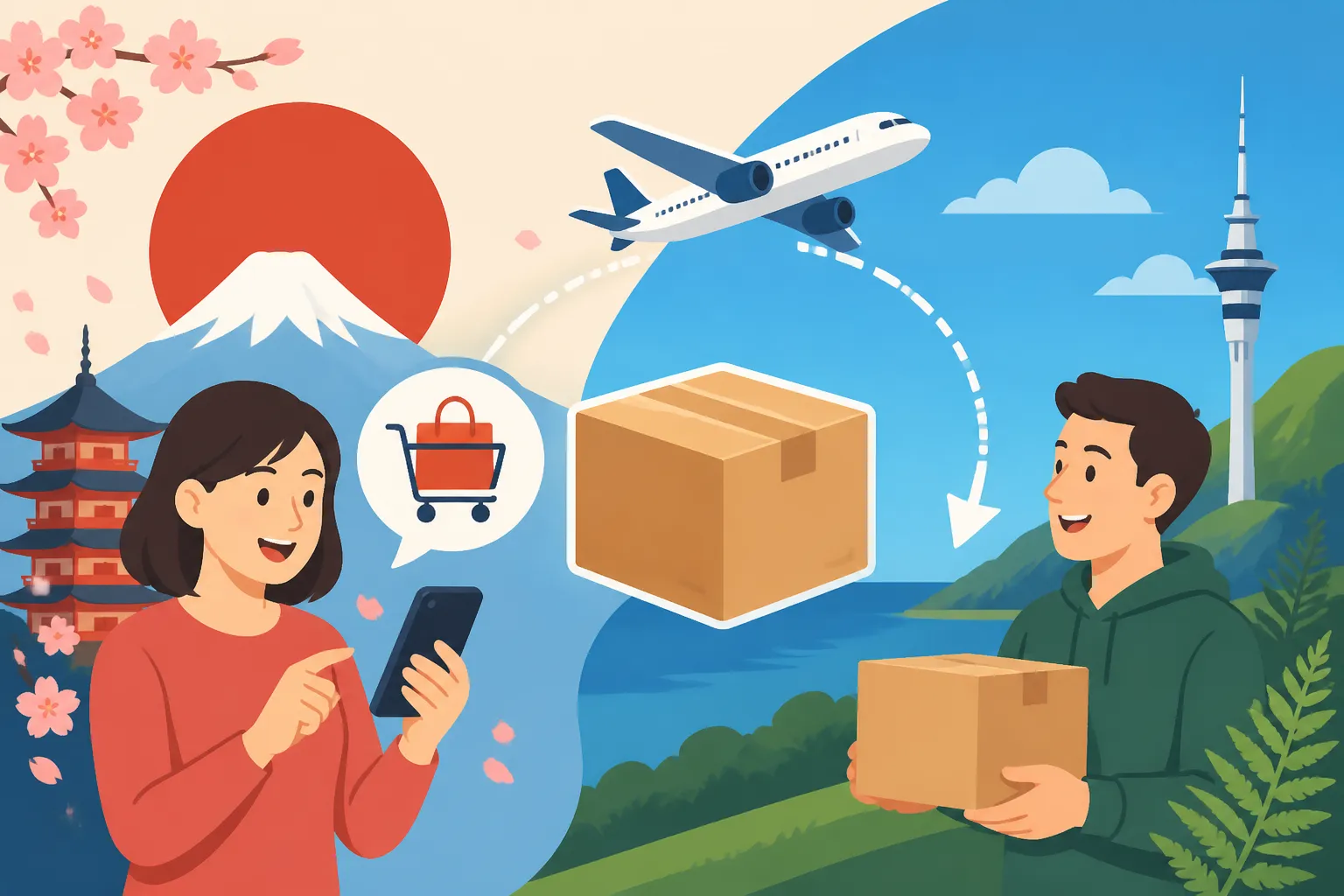
Think of a proxy service as your personal shopper and shipper in Japan. You browse a huge range of Japanese online stores, from tiny independent shops to massive marketplaces like Mercari Japan and Yahoo Auctions Japan. Once you find something you want, you simply paste the link into your chosen proxy service's platform. They then act on your behalf: they purchase the item, have it sent to their warehouse in Japan, and then handle all the packing and international shipping to your address in New Zealand.
This method is an absolute lifesaver, especially if your Japanese language skills aren't quite up to snuff. These services provide English interfaces, customer support, and handle communication with the Japanese sellers, which can be a huge relief. They also offer crucial services like package consolidation, which can drastically cut down on your overall shipping costs to New Zealand, especially if you're buying multiple items from different sellers. For instance, if you're buying a rare manga from one seller on Mercari and a specific skincare product from another on Rakuten, a service like Buyee will receive both, combine them into one efficient package, and then send it off. It truly simplifies the entire process. Similarly, ZenMarket offers a very user-friendly interface that aggregates items from various platforms, allowing you to browse and buy with ease.
When a Forwarding Service Makes Sense
Now, a package forwarding service is a bit different. With this option, you're doing the actual shopping yourself. The forwarding company provides you with a physical Japanese address, which you use as your shipping destination when you buy from a Japanese online store. Once your purchases arrive at their Japanese warehouse, they then forward them on to your address in New Zealand.
This approach is best suited for those who are comfortable navigating Japanese websites independently, making purchases directly from Japanese sellers (who may not speak English), and perhaps even have a Japanese payment method available. It can sometimes be slightly cheaper on service fees than a full proxy, as you're doing more of the legwork. However, if the Japanese store doesn't accept international credit cards or requires a Japanese phone number for registration, you'll still hit a brick wall. This can be a great option if you're, say, ordering directly from an official brand website that does accept international payments but just doesn't offer direct shipping to New Zealand. Services like Tenso are well-known in this space, offering a straightforward forwarding address service. Just remember, the onus of communicating with the seller and ensuring your purchase goes through correctly is entirely on you.
Navigating Shipping from Japan to New Zealand
Once your goodies are safely in a Japanese warehouse, be it with a proxy service or a forwarder, the next big step is getting them across the ocean to New Zealand. This is where understanding your shipping options and potential cost-savers becomes paramount.
Common Shipping Methods and Their Realities for NZ
Japan Post offers a variety of services, and international couriers also play a significant role. The choice largely depends on your budget, how quickly you need your items, and the size/weight of your package.
- EMS (Express Mail Service): This is generally the most popular choice for expats and international buyers. It's fast, reliable, includes tracking, and typically has good insurance coverage. For New Zealand, you can usually expect delivery within 3-7 business days, barring any customs delays. It's a premium service, so costs can add up for heavier packages, but for many, the peace of mind and speed are worth it.
- Airmail (Small Packet/Registered Airmail): For lighter packages (under 2kg usually, though limits can vary), airmail can be a more economical option. It's slower than EMS, often taking 1-3 weeks to reach New Zealand, but still offers a decent balance of speed and cost. If you opt for "Registered Airmail," you'll get a tracking number, which is always recommended for international shipments.
- Surface Mail (Sea Mail): If patience is your virtue and budget is your top priority, surface mail is the cheapest option. However, be prepared for a long wait – typically 2-3 months, and sometimes even longer, for packages to arrive in New Zealand. Tracking can be limited or non-existent depending on the service level. This is often chosen for very heavy or bulky non-urgent items, like large toy collections or household goods. Just remember, these packages spend a long time at sea, so proper packaging by your proxy service is crucial.
- DHL/FedEx/UPS: These international couriers offer expedited services, often guaranteeing delivery within a few business days. They come with comprehensive tracking and excellent customer service. The trade-off, of course, is the cost. These services are significantly more expensive than Japan Post options but are ideal for urgent deliveries, very high-value items, or when reliability is absolutely non-negotiable.
Here's a quick comparison of what you might expect for shipping to New Zealand:
| Shipping Method | Typical Delivery Time (to NZ) | Cost (Relative) | Tracking | Insurance | Best For |
|---|---|---|---|---|---|
| EMS | 3-7 business days | High | Yes | Yes | Moderate to high-value, time-sensitive items |
| Airmail | 1-3 weeks | Medium | Optional | Limited | Lighter, less urgent items |
| Surface Mail | 2-3+ months | Low | Limited | Limited | Heavy, non-urgent, budget-conscious |
| DHL/FedEx/UPS | 2-5 business days | Very High | Yes | Yes | Urgent, high-value, critical shipments |
Package Consolidation: Your Wallet's Best Friend
One of the greatest benefits of using a proxy service like ZenMarket or Buyee is the ability to consolidate multiple purchases into a single, larger shipment. Imagine you've bought five small items from five different Japanese online stores. If each was shipped individually, you'd pay a base shipping fee for each, plus the weight. That adds up incredibly fast!
With consolidation, all your items are gathered at the proxy's warehouse. Once everything arrives, you can instruct them to combine all items into one box. This often means paying a single, larger shipping fee for the combined weight, but critically, you only pay one base rate and avoid multiple per-package handling charges. This can lead to substantial savings on international shipping costs to New Zealand. Always opt for consolidation if you're buying more than one item, even if it's just two small things. The proxy service will usually repackage everything efficiently to minimize space and protective materials to keep the weight down. For more detailed insights, you might find guides like How Package Consolidation Saves You Money incredibly helpful.
The Dreaded Dimensional Weight
Beyond actual physical weight, another factor that can silently inflate your shipping costs is "dimensional weight." This nasty little calculation comes into play when a package is very bulky but relatively light. Shipping carriers don't just charge by how heavy your box is; they also consider how much space it takes up in their cargo hold. If the calculated dimensional weight (length x width x height / a specific divisor) is greater than the actual weight, you'll be charged based on the dimensional weight.
This is particularly relevant for items like figures in large boxes, plush toys, or anything with excessive packaging. To mitigate this, many proxy services offer optional "packaging removal" services. For a small fee, they'll remove the original bulky retail packaging, keeping only the item itself. While this sounds scary, especially for collectors, it can be a game-changer for saving money on shipping to New Zealand. Just make sure you understand the risks involved for fragile items and communicate clearly with your proxy. Learning How to Estimate Shipping Costs from Japan can help you anticipate this.
Customs, Duties, and GST for New Zealand Imports
Ah, New Zealand Customs – the final gatekeeper for your Japanese treasures. This is where things can get a little tricky, but with a bit of foresight, you can avoid nasty surprises. New Zealand has clear rules regarding imports, and understanding them is key to a smooth delivery.
Understanding New Zealand's Customs Regulations
The New Zealand Customs Service is responsible for controlling goods entering the country. Their main goals are to protect New Zealand's biosecurity, collect taxes and duties, and prevent illegal items from entering. When your package arrives, it will be assessed by Customs.
It's crucial that your proxy service (or you, if using a forwarder) completes the customs declaration accurately and completely. Misdeclarations can lead to delays, fines, or even seizure of your goods. Be aware of prohibited and restricted items; these include certain food products (especially those with animal or plant matter), agricultural goods, some chemicals, and anything deemed dangerous. Japan is known for its incredible snacks, but bringing in items containing meat, dairy, or certain fruit can be a major biosecurity risk and lead to your package being inspected, fumigated, or even destroyed. Always check the official New Zealand Customs and Biosecurity websites if you're unsure about specific items, particularly food or plant-based goods. A general guide like Prohibited and Restricted Items When Importing from Japan can give you a head start.
Goods and Services Tax (GST) on Imports to New Zealand
This is where the financial aspect really kicks in for New Zealand buyers. New Zealand applies a 15% Goods and Services Tax (GST) to most imported goods. How this is collected depends on the value of your shipment:
- For goods valued at NZD 1,000 or less: As of December 2019, overseas businesses (including online marketplaces) that sell goods to New Zealand consumers and meet a certain threshold must register with New Zealand's Inland Revenue Department (IRD) and collect GST at the point of sale. If you were buying directly from, say, Amazon Japan, and they are registered, they would add the 15% GST to your purchase price. However, when you use a proxy service like Buyee or ZenMarket, you are essentially buying from a Japanese seller, and the proxy service then facilitates the export from Japan and import into New Zealand. Because the proxy is acting as an intermediary, and often consolidating multiple items which might push the total value over the lower threshold, the GST is typically collected by NZ Customs upon arrival.
- For goods valued over NZD 1,000: For any single consignment of goods (or consolidated package) with a total value (including shipping costs and insurance) exceeding NZD 1,000, you will almost certainly be liable for the 15% GST, which will be collected by New Zealand Customs or the courier company handling the import. They will notify you of the amount due, and your package won't be released until payment is made.
It’s vital to budget for this 15% GST on almost anything you import via a proxy service, especially if the total value of your consolidated shipment (goods + international shipping) approaches or exceeds NZD 1,000. Don't be surprised when you get a notification from NZ Post or DHL/FedEx asking for payment before delivery.
Customs Import Entry Fee (IEP) and Other Charges
On top of the 15% GST, you might also face other charges, particularly for shipments valued over NZD 1,000:
- Customs Import Entry Transaction Fee: For commercial imports valued over NZD 1,000, Customs typically charges an Import Entry Transaction Fee. This fee can vary, so always check the latest New Zealand Customs Service website for current rates. This applies to the transaction of making an import declaration.
- Biosecurity System Entry Levy (BSEL): This small levy is often applied to commercial consignments to help fund New Zealand's biosecurity system, which is critical for protecting the country's unique ecosystem.
- Courier Disbursement Fees: If you choose a private courier like DHL or FedEx, they often charge their own "disbursement fee" or "advancement fee." This is a charge for them fronting the customs duties and GST on your behalf and handling the customs clearance process. These fees can sometimes feel a bit steep, so it's good to be aware of them beforehand.
- Duties: While GST is almost universally applied, import duties are typically only applied to specific types of goods, and New Zealand has a relatively high duty-free threshold for most items compared to some other countries. However, certain goods might incur specific duties, so it's worth checking if you're importing anything unusual.
To get a clearer picture of potential costs, it's always wise to check the New Zealand Customs Service website or use their online import duty and GST calculator if one is available, though these usually apply to values over NZD 1,000 and might not factor in proxy service specifics. Being informed will help you avoid the heartache of an unexpected bill.
Tips for a Smooth Buying Experience to New Zealand
Buying from Japan to New Zealand doesn't have to be a headache. With a few seasoned tips, you can make the process much smoother and more enjoyable.
Choosing the Right Japanese Retailer or Marketplace
Japan's online shopping landscape is vast and diverse. Knowing where to look for what you want can save you time and money.
- Mercari Japan: This is a goldmine for second-hand goods, from clothing and accessories to anime merchandise and electronics. Prices are often very reasonable, but items tend to sell quickly. This is where proxy services truly shine, as Mercari is notoriously difficult to buy from directly without a Japanese address and payment method. Many expats use services like ZenMarket specifically for Mercari access.
- Yahoo Auctions Japan: If you love the thrill of the hunt and are after rare or collectible items, Yahoo Auctions is the place to be. It's similar to eBay but exclusively for Japan. Again, a proxy service is essential here for bidding and communication. Dive deep into the nuances with a guide like How to Buy from Yahoo Auctions Japan if you're serious about snagging a deal.
- Rakuten and Amazon Japan: These are Japan's equivalents of global e-commerce giants. You'll find everything from groceries to electronics, books, and fashion. Some sellers on Amazon Japan might offer direct international shipping, but it's hit-or-miss for New Zealand, so a forwarding service or proxy can fill the gap. Rakuten, being a sprawling network of individual shops, often requires a proxy.
- Specialty Stores: Don't forget the countless niche stores for hobbies, fashion, or specific goods. Many of these don't ship overseas, making them prime candidates for proxy or forwarding services.
Always check seller ratings and reviews, especially on marketplaces. If something seems too good to be true, it often is. And remember to use a translation tool for item descriptions – Google Translate's image translation feature is your friend here!
Communication and Customer Service
One of the biggest anxieties for foreign buyers is the language barrier. This is precisely where a good proxy service justifies its fees. They act as your liaison with the Japanese seller, handling all inquiries, purchase confirmations, and any potential issues.
When you place an order with your proxy, be as clear and detailed as possible in your instructions. If you have specific requests (e.g., "please check if this is working," "please ask seller about measurements"), communicate them upfront. If something goes wrong—the item is not as described, or there's a delay—your proxy service will typically step in to mediate. They understand Japanese business etiquette, which can be quite different from what you might be used to, helping to resolve issues smoothly. Keeping an eye on your order status through the proxy's platform and responding quickly to any questions they have will ensure a faster process.
Payment and Currency Exchange
Funding your Japanese shopping spree needs a bit of strategic thinking. Most proxy services will allow you to deposit funds into your account using various methods, including international credit cards, PayPal, or even bank transfers.
However, international credit card payments can sometimes come with foreign transaction fees from your bank, and the exchange rate might not always be the most favorable. Services like Wise (formerly TransferWise) or Revolut often offer better exchange rates and lower fees for currency conversions from NZD to JPY. Consider using these to top up your proxy account's balance to potentially save a few dollars. Keeping an eye on the exchange rate (JPY to NZD) is also a good idea. Sometimes waiting a few days can make a difference in your overall cost if the yen weakens. Remember that currency conversion fees are a common way costs can creep up, so be mindful of how you're funding your purchases.
Disclaimer
Please note that the information provided in this guide is for general informational purposes only and is based on typical regulations and practices at the time of writing (2026). Shipping costs, customs duties, GST rates, and import regulations can change without prior notice. Always consult the official websites of the Japan Post, your chosen courier, and the New Zealand Customs Service for the most up-to-date and specific information before making a purchase. I am not a financial or legal advisor, and this guide does not constitute professional advice. Happy shopping, and enjoy your wonderful finds from Japan!